
Introduction
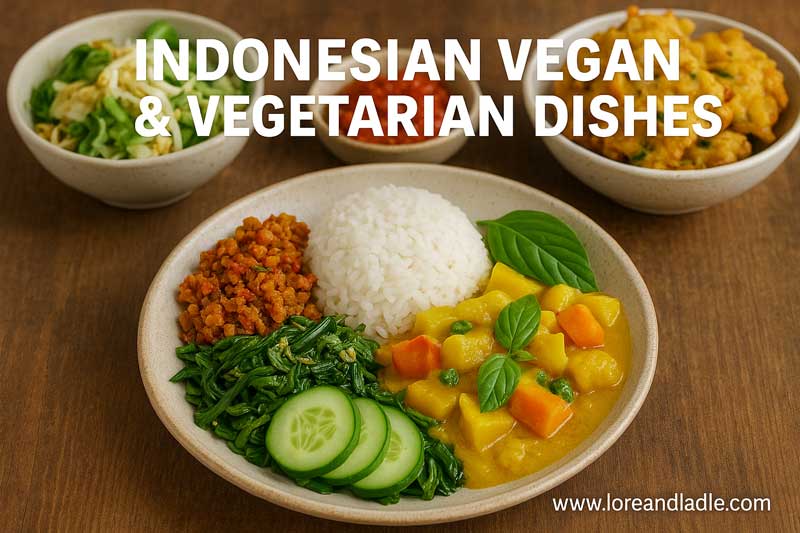
In Indonesia, plant-based cooking can carry bold, sun-kissed flavors that dance on the palate. The dish we’re spotlighting—“11 Indonesian Vegan & Vegetarian Dishes to Try If You Love Bold Indonesian Flavor”—is really a celebration of how vegetables, legumes, and tropical ingredients come together to tell regional stories. This collection shines a light on cultural practices that honor harvests, family recipes, and street-side artistry. The dishes invite you to explore vibrant textures, bright heat, and balanced sweetness that define Indonesian cooking’s heart and soul.
The cultural value of plant-based Indonesian flavor
Indonesian cuisine loves bold contrasts: spicy chiles, sour tamarind, creamy coconut, nutty peanuts, and herbal brightness. Plant-based versions preserve those contrasts while centering vegetables and legumes. Across islands, market stalls, home kitchens, and kebab-style street carts keep these flavors alive. Cooking this way honors seasonal produce and local techniques, from blistered vegetables to peanut sauces whipped by hand. The result is a shared culinary language that travels through rivers of sambal, bowls of curry, and stacks of peanut-tinted sauces. In every bite, you sense history, craft, and the everyday joy of gathering around a table.
1) Gado-Gado
Gado-Gado is a classic collage of vegetables, tofu, tempeh, and sometimes fruit, all crowned with a rich peanut sauce. Its name means “mix-mix,” and that spirit of variety is central to Indonesian dining. The dish embodies balance—crunch, cream, sour, and heat in one bowl. In many homes and eateries, it serves as a core vegetarian meal that still feels festive. The peanut sauce ties the plate together, showcasing how wholesome ingredients can become deeply satisfying without meat.
2) Pecel
Pecel comes from East Java and is best known for its vibrant peanut sauce coaxed into a glossy glaze over fresh greens and vegetables. The dish celebrates a farmer’s market spread—crisp greens, blanched beans, and sun-kissed vegetables. Ridged with chili heat and lime brightness, Pecel feels alive and refreshing. It offers a quick, satisfying bite that honors simple ingredients through bold, peppery flavors.
3) Ketoprak
Ketoprak layers rice cake, tofu, rice vermicelli, cucumber, and bean sprouts with a luscious peanut sauce. Originating from urban neighborhoods, Ketoprak is a street-food favorite that brings together textures in a single bite. Its sauce is a fearless, nutty chorus that makes the dish feel luxurious, even in a humble setting. This dish shows how food can fuse notes from different communities into a single, beloved plate.
4) Sayur Lodeh
Sayur Lodeh is a creamy vegetable curry simmered in coconut milk with lemongrass, turmeric, and other aromatics. It reflects the abundance of coastal and island cooking, where coconut is a pantry staple. The dish’s richness comes from slow simmering and the harmony of spices rather than meat. Sayur Lodeh reveals how vegetables can carry depth and warmth, turning everyday produce into a festival of texture and scent.
5) Sayur Asem
Sayur Asem is a tangy, sour vegetable soup that relies on tamarind or other sour fruits to wake the palate. Its bright, zesty profile makes it a refreshing counterpoint to richer dishes. Regional twists add layers of flavor, such as hints of palm sugar or chili. This dish honors seasonal produce and the craft of balancing acidity with sweetness and heat.
6) Cap Cai
Cap Cai is a colorful, quick wok dish that blends an array of vegetables with a savory sauce. Although introduced through Chinese Indonesian communities, Cap Cai has become a beloved staple across many households. Its bold palette and crisp-tried textures celebrate culinary adaptability and the joy of mixing ingredients to suit taste and occasion.
7) Tempe Bacem
Tempe Bacem is tempeh marinated in spices and sweet-salty syrup, then fried or baked. This method preserves and flavors soybeans while creating a tender, caramelized exterior. Tempe Bacem reflects Indonesia’s long history of fermentation and fermentation-inspired flavor development. It shows how a simple plant protein can carry deep cultural resonance through aroma, technique, and comforting texture.
8) Tahu Gejrot
Tahu Gejrot is fried tofu served with a glossy, spicy-sour sauce. The dish hails from West Java’s street-food scene and emphasizes brightness and crunch. Its sauce—often a mix of vinegar, chili, garlic, and a touch of palm sugar—delivers a sharp, memorable finish. Tahu Gejrot demonstrates how modest ingredients can deliver bold, memorable bites that become favorites across regions.
9) Rujak
Rujak is a fruit salad dressed in a spicy-sour peanut sauce. It blends sweet fruit with a heat-rich sauce, creating a refreshing finish to a meal or a lively snack on hot days. Rujak’s sauce showcases a balance of tamarind, peanuts, and chilies, while the fruit varieties vary by region. The dish embodies the joy of fruit as dessert and the artful contrast of Flavors in Indonesian cookery.
10) Karedok
Karedok is a raw-vegetable salad with a punchy peanut sauce, similar to Gado-Gado but featuring more raw greens and a distinctly West Javanese character. It highlights texture and freshness, with crisp vegetables and a sauce that lingers on the tongue. Karedok is a tribute to seasonal produce and the skill of making a powerful sauce that carries raw vegetables into bold territory.
11) Pepes Jamur (Pepes Tofu)
Pepes Jamur is mushrooms steamed in banana leaves with spices, sometimes paired with tofu for extra heft. The banana-leaf cooking method captures aroma and tenderness, infusing each bite with turmeric, lemongrass, and chili. Pepes showcases how Indonesian cooks transform humble ingredients into fragrant, soulful dishes—an art form that shines at Home and in markets alike.
Closing thoughts
This collection demonstrates just how vibrant Indonesian vegan and vegetarian cooking can be. Each dish carries a thread of culture—regional flavors, cooking techniques, and the communal joy of sharing food. If you love bold Indonesian flavor, these dishes offer a delicious doorway into a cuisine that celebrates plant-based ingredients with warmth, artistry, and respect for tradition. Enjoy exploring their stories, textures, and vivid tastes in your own kitchen.