
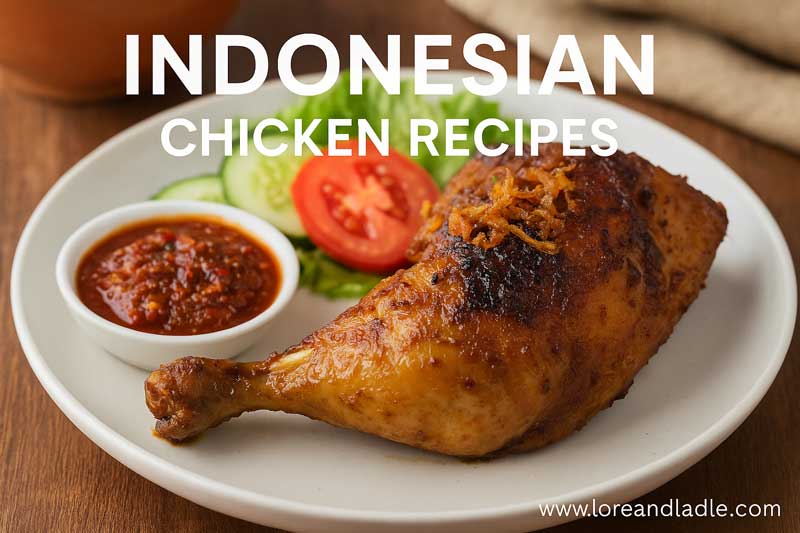
5 Indonesian Chicken Recipes to Try If You Love Bold Indonesian Flavor
Indonesia offers a rich tapestry of tastes rooted in fresh ingredients, time-honored techniques, and shared meals. This post highlights five chicken dishes that celebrate bold Indonesian flavor while underscoring cultural value and culinary significance. Each recipe showcases how spice blends, cooking methods, and regional ingredients come together to create memorable dishes that families and communities proudly pass down.
Recipe 1: Ayam Bakar Kecap — Java’s Sweet-Smoked Charm
Ayam Bakar Kecap Is a beloved Java-style grilled chicken glazed with kecap manis, a sweet soy sauce. The glaze sticks to meat as it grills, releasing a glossy surface and a gentle caramel aroma. The dish gathers flavor from garlic, shallots, and a whisper of chili before fire infuses it with smoke. Culturally, this recipe reflects the Java tradition of street grills and home barbecues, where charcoal and patience bring out a warm, comforting scent. Served with steamed rice and fresh cucumber or lime, it becomes a humble centerpiece that invites sharing and conversation around the table.
Recipe 2: Ayam Goreng Kremes — Crunchy Comfort from the Archipelago
Ayam Goreng Kremes features fried chicken topped with crispy kremes—thin, crackly fragments of seasoned batter. The result is a lively contrast: crisp skins meeting tender insides, a harmony of texture and savoriness. This method highlights a playful side of Indonesian cooking, where texture is as important as flavor. The dish travels well from home kitchens to family gatherings and street stalls, often paired with a simple sambal and a bowl of hot rice. Its enduring popularity speaks to the value Indonesians place on comfort, generosity, and the joyful crunch that accompanies a shared meal.
Recipe 3: Opor Ayam — Coconut-Cream Curry of Warm Spices
Opor Ayam is a gentle coconut milk curry that envelops chicken in a velvety, fragrant sauce. Subtle aromatics such as lemongrass, turmeric, and coriander lift the dish without overpowering it, balancing richness with brightness. This preparation is a staple in many festive and everyday meals, illustrating how Indonesian cooks blend creaminess with spice to create warmth and hospitality. Opor Ayam embodies the idea that richness can come from patience and careful simmering, transforming simple ingredients into a nourishing centerpiece that respects tradition while inviting creativity with vegetables or side dishes.
Recipe 4: Rendang Ayam — Slow-Simmered Richness from West Sumatra
Rendang Ayam echoes the famed rendang method, adapted for chicken. The meat braises in a deeply aromatic paste—garlic, shallots, ginger, turmeric, chili, and kaffir lime—slowly reducing with coconut milk and whole spices. The result is meat that develops depth, with each bite carrying a balance of heat, sweetness, and citrus-bright notes. This dish reflects West Sumatra’s culinary pride and the Minangkabau influence, where patience in cooking translates to generosity on the plate. Rendang Ayam is often shared during gatherings and celebrations, reinforcing the social essence of Indonesian cooking: a time to come together, savor complexity, and honor family recipes.
Recipe 5: Sate Ayam — Skewered Harmony of Grilled Chicken and Peanut Sauce
Sate Ayam presents bite-sized chicken threaded onto skewers and grilled until lightly charred. A rich peanut sauce or a light soy-lime glaze accompanies the meat, offering a sultry, nutty finish. Sate is one of Indonesia’s most recognizable street foods and festival dishes, found in neighborhoods, markets, and Family feasts across the archipelago. The skewers showcase regional flavors, from peanut-based sauces to chili-spiked toppings, and they celebrate social dining—hands passing sauces, friends trading stories, and everyone enjoying the balance of smoky meat with bright, fragrant accompaniments. Sate Ayam demonstrates how a simple technique—grilling—can carry vast cultural diversity in flavor.
The Cultural and Culinary Significance of These Dishes
These five recipes illustrate the heart of Indonesian cuisine: bold flavors built on balance, technique, and community. The collective approach to seasoning—sweet, sour, spicy, and savory—shows how cooks honor land, season, and family. Grilling, frying, slow simmering, and skewering are not just methods; they are steps in rituals of everyday life, where shared meals become occasions for connection and care. Each dish can adapt to regional ingredients while preserving core values of hospitality and generosity. Together, Ayam Bakar Kecap, Ayam Goreng Kremes, Opor Ayam, Rendang Ayam, and Sate Ayam reveal a national palate that is diverse yet united in celebration of bold Indonesian flavor.