
Introduction
Indonesian cuisine offers a rich tapestry of aroma, texture, and color. For lovers of bold flavors, five classic main dishes stand out as emblematic, inviting windows into regional techniques and shared culinary pride. Each dish embodies a distinctive method, a family tradition, and a way of celebrating gatherings with friends and loved ones. In this guide, you will discover why these dishes matter culturally and how their flavors mirror the landscapes and history of Indonesia.
Rendang: Slow Simmered Depth Across Generations
Rendang is more than a dish; it is a ceremony of patience and balance. Originating on the western coast of Sumatra, rendang begins with simple ingredients—coconut milk, tender beef, and a chorus of spices—but then unfolds through slow simmering. This quiet duration lets lemongrass, galangal, turmeric, chili, and toasted coconut oils meld into a luxurious, deeply spiced sauce. The result is a meat dish that remains tender and deeply aromatic, with a crisp edge on the exterior from reduced coconut milk.
Culturally, rendang marks special occasions and festive meals. Families often prepare it ahead of time, letting flavors mature as schedules allow. The method teaches care and restraint: heat is gentle, patience is rewarded, and every household brings its own spice blend to the pot. In festivals and gatherings, rendang signals hospitality and abundance. Its aroma fills the kitchen and lingers in memory, inviting conversation and shared praise for a dish that travels from stove to heart. Rendang showcases how Indonesian cooking can fuse everyday staples into a celebration of flavor, texture, and tradition.
Nasi Goreng: The Everyday Feast with a Global Soul
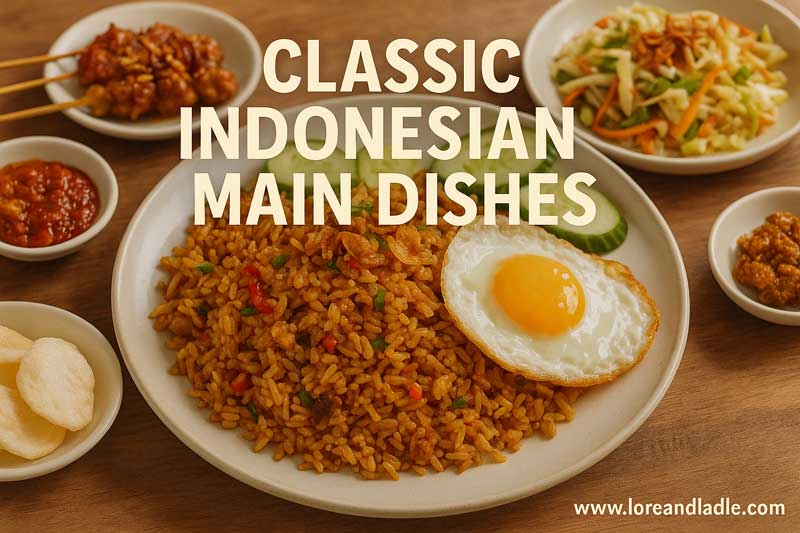
Nasi goreng translates to “ fried rice,” yet the dish carries a bold personality far beyond its name. It began as a practical, everyday meal that transformed into a national favorite. The skillet becomes a stage for a quick, high-heat toss of day-old rice, garlic, onions, vegetables, and a kiss of sweet soy sauce (kecap manis). A fried egg on top or a handful of sambal adds brightness and balance to the plate.
Culinarily, nasi goreng demonstrates how Indonesian cooking values versatility and balance. It handles leftovers with ingenuity and shows how modest ingredients can yield rich, savory depth. Cooks across the archipelago add regional twists: a touch of shrimp paste in some versions, a sprinkle of fried shallots for crunch, or a strip of crispy chicken skin for texture. Culturally, nasi goreng is a social dish, often shared during family meals and informal gatherings. Its accessibility and adaptability make it a kitchen compass, guiding Home Cooks toward meals that feel both comforting and proudly Indonesian.
Gudeg: Sweet Jackfruit and Slow-Cooked Heritage
Gudeg comes from Yogyakarta and neighboring regions, where palm sugar and unripe jackfruit are transformed by gentle simmering for hours. The result is a velvet, dark stew with a distinctive sweetness and a layered aroma from bay leaves, garlic, and coriander. Typically served with steamed rice, hard-boiled eggs, fried chicken, and tempeh, gudeg presents a study in how slow cooking can mellow pungency into nuanced sweetness.
Culturally, gudeg is tied to seasonal cycles, temple meals, and traditional celebrations. The technique requires patience and attention, handed down through generations of home cooks. It embodies a sense of place—the way land, harvests, and seasonal produce shape a dish’s character. Gudeg also demonstrates hospitality in its serving: families present a generous spread to honor guests, inviting them to share in a sensory journey that blends sweetness with savory depth. The dish’s reverence for time and craft makes it a touchstone of Indonesian culinary identity.
Ikan Bakar Jimbaran: Charred Flavor with Coastal Spirit
Ikan bakar Jimbaran captures the essence of Indonesia’s coastal cooking. This dish features fresh fish, often wrapped in a smoky spice paste, grilled over charcoal until the skin crisps and the meat stays moist. The result is a bright, smoky fish with a kiss of tang from lime and a gentle heat from chili-laced bumbu. The simplicity of grilling allows the fish’s natural sweetness to shine, while the spice blend brings warmth and complexity.
Culturally, coastal communities have long relied on fish as a principal protein, shaping techniques, markets, and social gatherings. Ikan bakar Jimbaran showcases how local ingredients inspire bold, straightforward preparations that honor the sea. The ritual of grilling over wood fire, the careful basting, and the communal enjoyment of a shared plate all highlight Indonesian hospitality. In restaurants and seaside stalls, this dish pairs with rice and sambal, creating a memorable experience that connects diners to the shoreline’s rhythms and flavors.
Ayam Penyet: Bold Heat and Textural Harmony
Ayam penyet, meaning “smashed chicken,” comes from East Java and neighboring regions. The dish features crisp, fried chicken that is gently pressed to break the crust, then served with a fiery sambal. The sensation hits in two waves: first, the crackly crust and juicy meat, then the vibrant heat and aroma of the chili-laced sambal. It is a study in contrast—crispy exterior, tender interior, and a bold, lingering finish.
The cultural value of ayam penyet lies in its communal approach to a fast yet satisfying meal. Families and friends gather around a plate of chicken and rice, sharing sambal and stories as spice levels are tuned to taste. The technique celebrates balance between texture, heat, and savoriness, a hallmark of many Indonesian preparations. This dish showcases how boldly seasoned food can be accessible and comforting at the same time, inviting people to connect through flavor and hospitality.
Celebrating Indonesian Flavor: The Cultural and Culinary tapestry
Together, these five dishes illustrate the diversity and unity of Indonesian cuisine. Each recipe brings a unique regional voice—Rendang’s slow, fragrant depth; Nasi Goreng’s adaptable Home Cooking; Gudeg’s sweet-slow craft; Ikan Bakar Jimbaran’s coastal brightness; Ayam Penyet’s fiery, satisfying crunch. Yet they share common threads: a reverence for spices, a preference for fresh ingredients, and a love of meals that bring people together.
These dishes also reveal important cultural values. They honor family and community through shared cooking and eating. They respect the land and sea by highlighting locally available ingredients. They celebrate time and technique, from hours of simmering to minutes on a hot grill. And they invite curiosity, inviting guests to explore the flavors that define Indonesian food culture with warmth and curiosity.
If you seek a culinary journey into bold Indonesian flavor, start with these dishes. They offer a stable map of Indonesia’s main dishes—each a doorway to regional identity, traditional skill, and the joy of gathering around the table. By exploring their flavors, textures, and stories, you’ll gain a deeper appreciation for how Indonesian cuisine speaks to heritage, hospitality, and the beauty of shared meals.