
5 Classic Indonesian Main Dishes to Try If You Love Bold Indonesian Flavor
Bold Indonesian flavor comes to life in a handful of dishes that honor season, technique, and shared meals. In this post, explore five classic Indonesian main dishes that showcase the culinary voice of the archipelago. Each entry reveals cultural value and culinary significance: how ingredients travel from market to table, how spice blends reflect regional character, and how families gather around a pot or grill to celebrate together. Read on to discover how these dishes express Indonesian warmth, resourcefulness, and artistry.
Rendang: Slow-Braised Richness That Tells a Story
Rendang hails from West Sumatra, where Minangkabau cooks lead with bold, fragrant spices. The spice mix blends chili, garlic, shallots, ginger, turmeric, lemongrass, and kaffir lime leaves. Coconut milk and palm sugar help craft a dark, glossy glaze. Meat braises slowly for hours, soaking up spice and turning tender and velvety. The technique requires patience, steady heat, and attentive stirring. Culinary significance comes alive in the kitchen as flavors deepen with time, creating a dish that feels earned and ceremonial. Culturally, rendang is a symbol of hospitality and generosity, often served during celebrations and gatherings. When it arrives at the table, the aroma announces a story of shared care. Serve with steamed rice and fresh greens to balance the richness.
Nasi Goreng: The Golden, Everyday Favorite
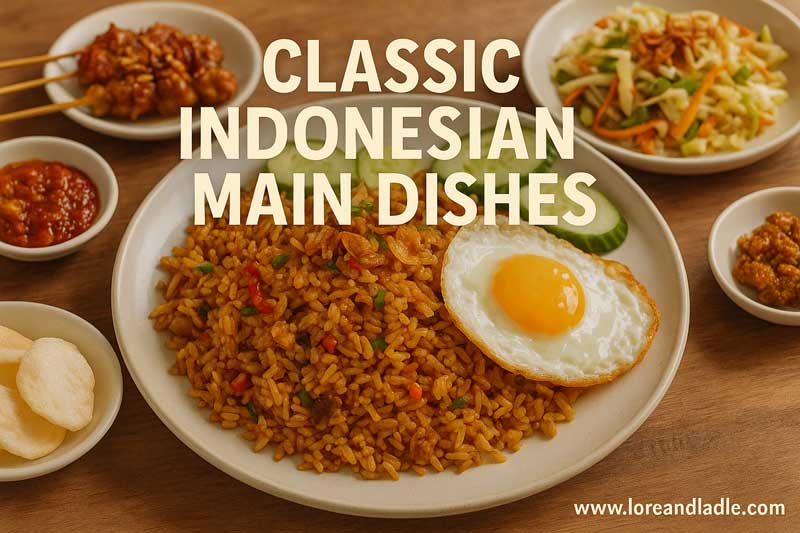
Nasi Goreng is Indonesia’s beloved everyday dish, borne from resourceful kitchens and lively markets. It starts with day-old rice that gets a high-heat stir in a wok, sending the scent of garlic, shallots, and chilies through the room. A splash of kecap manis (sweet soy) and other seasonings adds depth and a gentle sweetness. The dish often comes crowned with a fried egg, crisp shallots, and a few vegetables for color and texture. In daily life, Nasi Goreng shines as a versatile canvas for flavors, turning leftovers into a comforting, complete meal. The technique highlights “wok hei” — the breath of the wok — a hallmark of skill and timing. Culturally, the dish embodies practicality, warmth, and a spirit of sharing that keeps families connected around the table.
Sate: Skewered Harmony of Fire and Spice
Sate, or satay, exists in many forms across Indonesia, each region bringing its own character. The core idea is simple: skewered meat marinated in a bold mix of spices — often coriander, turmeric, lemongrass, garlic, and shallots — then grilled over charcoal. The aroma rises as the meat caramelizes and develops a gentle smoky edge. The dish typically arrives with a rich peanut sauce or a tangy sambal, inviting dipping and savoring. Sate shines at gatherings, markets, and casual meals, where friends and families share bites and stories alike. The social aspect is central: skewers are easy to pass around, making Sate a unifying, communal dish that celebrates togetherness and celebration.
Gudeg: A Sweet, Fragrant Java Legend
Gudeg is a Java classic from Yogyakarta and central Java. It centers on young jackfruit simmered long and slow with palm sugar and coconut milk, infused with a chorus of spices. The result is a dark, fragrant stew with a tender, almost jam-like texture. Common accompaniments include boiled eggs, chicken, and krupuk (crackers), all served with plain rice. Gudeg reflects patience, discipline, and refined balance between sweet, savory, and herbal notes. In Java, it is a dish tied to traditions of weekend gatherings and special meals, a ceremonial joy that honors time-honored technique. The dish invites diners to slow down and savor the depth of one carefully layered flavor profile.
Ikan Pepes: Fragrant Banana Leaf Infusion
Ikan Pepes showcases a beloved technique: steaming fish wrapped in banana leaves with a vibrant paste of chilies, turmeric, lemongrass, lime leaves, and other aromatics. The banana leaf seals in moisture and fragrance, infusing the fish with smoky, herbal notes. The result is light yet boldly seasoned, with citrusy brightness and a gentle heat that lingers on the palate. Pepes is often prepared with fresh fish from coastal markets, reflecting the relationship between land and sea in Indonesian cooking. It sits beautifully with rice and a crisp vegetable side, offering a clean counterpoint to heavier dishes. The method emphasizes balance, aroma, and the elegance of Simple Ingredients treated with care.
Conclusion: A Celebration of Craft and Culture
Together, these five dishes reveal how Indonesian cuisine speaks through bold flavors, regional character, and meticulous technique. Each dish shows a different pathway to harmony—slow, deliberate braising; quick, high-heat wok work; intimate grilling; patient stewing; and gentle leaf-steaming. They highlight hospitality, shared meals, and the joy of cooking as an act of care. Whether you are exploring a market kitchen or a home stove, these classics invite you to taste the beauty of Indonesian culinary craft and to celebrate the flavors that bring people together at the table.