
Introduction
The dish “5 Indonesian Noodle Favorites to Try If You Love Bold Indonesian Flavor” invites readers to explore a vibrant slice of Indonesia’s culinary tapestry. Each noodle bowl is more than a meal; it is a living reflection of regional markets, home kitchens, and the steady hand of cooks who balance heat, sweetness, and depth. In this post, we focus on cultural value and culinary significance. We look at how these five dishes showcase local ingredients, traditional techniques, and the communal joy of sharing a steaming bowl with friends and family. The result is a bold portrait of flavor that invites curiosity and respect for Indonesia’s rich food culture.
Mie Goreng: A Java-Rooted Favorite
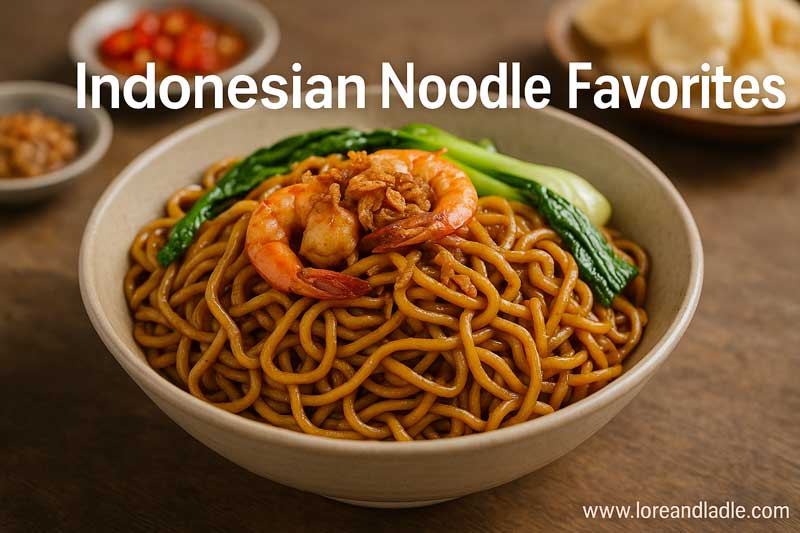
Mie Goreng stands as a joyful, everyday expression of Indonesian flavor. It blends yellow noodles with kecap manis, garlic, shallots, and a touch of chili, then caramelizes in a hot wok to create wok hei—the fragrant, slightly charred aroma that signals expert fire and speed. Fresh vegetables, eggs, and proteins such as chicken or shrimp add color and texture, while a final drizzle of lime or sambal brightens the plate. This dish travels easily from street stalls to family kitchens, making it a unifying thread through diverse local kitchens. It is a dish learned through repetition, where technique and timing matter as much as ingredients. Mie Goreng honors the archipelago’s spirit of improvisation, using what’s available to create a bold, comforting meal. Its cultural value lies in its accessibility and its role in daily life, where a shared plate can spark conversation and togetherness. Culinary significance comes from its balance of sweet, savory, and spicy notes, a hallmark of Indonesian flavor profiles. By honoring local produce and pantry staples, Mie Goreng remains both familiar and exciting to the palate.
Mie Ayam: Comfort in a Bowl
Mie Ayam centers on tender noodles topped with seasoned chicken, mushrooms, and greens, all brought together by a fragrant soy-based sauce. This dish often arrives in a lacquered bowl or on a simple plate, ready for a quick lunch at a kedai or a bustling street corner. The broth or dry style showcases different textures: the slippery noodles, the bite of meat, and the crispness of fresh herbs. The preparation celebrates balance—protein satisfying the palate, vegetables bringing freshness, and aromatics like garlic, ginger, and sesame oil delivering depth. Mie Ayam is a testament to culinary practicality and care: families pass down recipes, and street vendors refine their own versions to suit local tastes. The dish’s cultural value lies in its accessibility and the way it invites sharing; friends often gather around a steaming bowl, savoring warmth and familiarity. Culinary significance emerges from its simple, robust flavor foundation that can be tailored with regional twists or personal preferences. Through Mie Ayam, Indonesian cooks demonstrate how a few reliable ingredients can yield a deeply satisfying, culturally resonant meal.
Mie Rebus: Spicy Noodle Soup in a Pot of Heat
Mie Rebus embodies the comforting strength of a good noodle soup, with a bright, spicy broth that invites careful sipping between bites. The dish features noodles swimming in a flavorful stock enriched with garlic, shallots, chili paste, and herbs, often accompanied by slices of meat or seafood and boiled egg. The broth’s heat comes with layers of aroma, from peppery notes to a hint of sweetness that brightens the bowl. This noodle soup reflects Indonesia’s love of broth as a unifying element in a meal, where warmth and aroma create a sense of welcome and hospitality. Mie Rebus is commonly found in markets and family gatherings, where the shared ritual of ladling and slurping strengthens community ties. Its bold character—spice, brightness, and depth—illustrates how Indonesian cooks use aromatics and stock as a musical score for flavor. The dish’s cultural value is in its adaptability, allowing cooks to tailor heat levels, meat choices, and garnish to local preferences without losing its early-summer vibrancy. Culinary significance lies in the way broth, texture, and spice work together to evoke a sense of place in every spoonful.
Mie Celor: Palembang’s Coconut-Cream Noodle Elegance
Mie Celor is Palembang’s celebrated coconut-milk noodle soup, offering a creamy, fragrant counterpoint to the fiery dishes that also define Indonesian flavor. Yellow noodles rest in a broth enriched with coconut milk, often enhanced by turmeric, garlic, and subtle spices that give the soup a gentle golden hue. Shrimp, eggs, and sometimes chicken provide a precious center to the bowl, while krupuk adds a crackly contrast on the side. The dish is a showcase of regional richness, where coconut’s smooth texture and a carefully balanced spice blend illuminate the palate. In Palembang, Mie Celor is a social food—part of family meals, festive gatherings, and important markets—where chefs bring artistry to a comforting bowl. The cultural value of this dish lies in its ability to convey local identity through a methodical, refined approach to flavor. Culinary significance is found in its creamy consistency and bright citrus-led finish, which demonstrates how Indonesia’s noodle traditions can embrace luxury while remaining deeply rooted in everyday life. Enjoying Mie Celor invites travelers to slow down and savor the layered textures that define southern Sumatra’s coastal cooking.
Mie Aceh: Fire and Flavor from the North
Mie Aceh delivers bold, complex heat shaped by chili, curry, lemongrass, and a chorus of spices that reflect Aceh’s distinct culinary voice. The noodles meet a robust broth or sauce that can feature beef, seafood, or a hearty mix of both, along with herbs, fried shallots, and lime. The dish embodies the northern edge of Sumatra’s culinary map, where spice is celebrated and refined through careful balance with sour notes and a touch of sweetness. Mie Aceh is a social dish, often shared in gatherings and enjoyed with friends and family who appreciate sturdy flavors and generous portions. Its cultural value lies in how it communicates a regional pride—an insistence that boldness and intricacy can live in a single bowl. Culinary significance shows in its use of spices and technique, which together craft a performance of aroma and heat that lingers on the palate. By embracing Mie Aceh, diners glimpse a culinary tradition that elevates noodles into a dramatic, memorable experience.
Conclusion: A Tapestry of Noodles and Culture
Together, these five Indonesian noodle favorites reveal the country’s regional richness and the universal joy of a well-made bowl. Each dish uses local ingredients, traditional techniques, and a shared Love for bold flavors to tell a story of place, family, and craft. The noodles act as a canvas for community, where markets and kitchens bring ingredients together in a harmonious balance of color, aroma, and texture. By exploring Mie Goreng, Mie Ayam, Mie Rebus, Mie Celor, and Mie Aceh, readers glimpse how Indonesian food honors both diversity and unity. The dishes invite cooks to experiment with heat, sweetness, and brightness while staying true to regional identities. If you seek a culinary journey that celebrates bold flavor and cultural depth, these noodle favorites offer a hospitable and delicious doorway. Each bite is a reminder of the beauty found in everyday cooking and shared meals across Indonesia.