
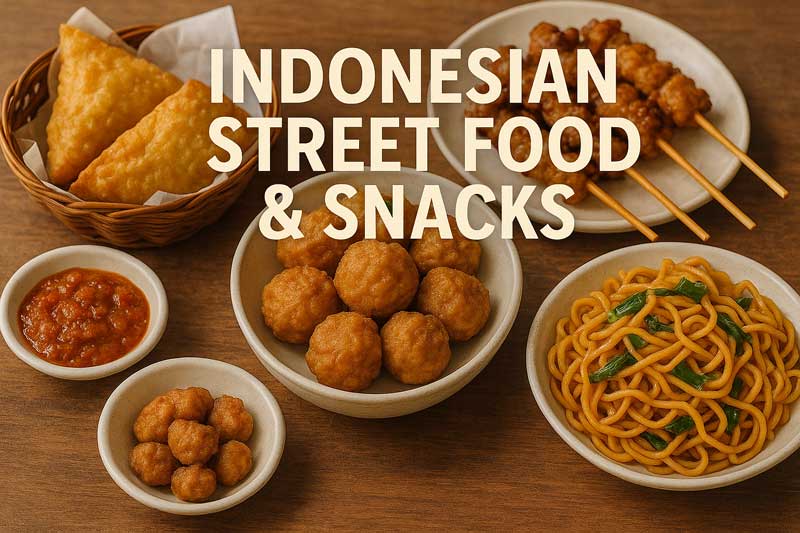
A celebration of bold Indonesian flavors
This post invites you to explore a dish that feels like a walk through Indonesia’s lively streets: the seven Indonesian street foods and snacks that belong to the heart of daily life. The dish is a curated journey titled “7 Indonesian Street Food & Snacks to Try If You Love Bold Indonesian Flavor.” It centers on cultural value, culinary technique, and the joyful artistry of vendors who feed communities with skill and care. Each bite carries a story of place, season, and shared moments around a tiny stall or bustling market table. The result is a vivid portrait of Indonesian flavor, texture, and aroma—the breath of a diverse archipelago expressed in simple, everyday foods.
Satay (Sate): Grilled richness on a stick
Satay represents the mastery of fire and balance. Meat, often chicken or beef, is marinated in a lively blend of spices and herbs, then skewered and grilled over charcoal until the edges caramelize. The sauce, usually a peanut-kissed glaze with hints of palm sugar, chili, and soy, brings a creamy, savory kick. Satay is more than a snack; it is a ceremonial street food that shines at gatherings, night markets, and roadside stalls. Across islands, vendors adapt the spice mix and the smoke’s intensity, letting local peppers and herbs shape the flavor. This adaptability highlights Indonesia’s culinary generosity and crafts a shared experience where friends and families gather to savor a warm, aromatic moment together.
Pempek Palembang: A regional jewel of fish and laughter
Pempek is a fish cake made with a tender, slightly chewy texture, often served with a tangy tamarind-based sauce called cuko. The dough may include sago or tapioca, which creates a gentle bite that contrasts with the sharpness of the sauce. Originating in Palembang, this dish celebrates the sea’s bounty and the skill of shaping doughs that hold their form when fried or boiled. Street vendors present pempek in a chorus of shapes: thick cakes, slender sticks, or bite-sized pieces, each offering a different texture. The dish embodies patience and precision, turning simple ingredients into a refined comfort that feels like a coastal welcome—bright, tangy, and memorable.
Rujak: A dance of sweet, sour, and spicy
Rujak offers a bold harmony of flavors and colors. A mix of fresh fruits—often cucumber, pineapple, mango, and papaya—receives a sauce built from palm sugar, tamarind, and a bright kick of chili. Some versions include a crunchy element like fried peanuts or sesame and a sprinkle of shrimp paste for depth. The experience is light and refreshing yet unapologetically vivid. Rujak embodies the Indonesian love of balance: sweet, sour, salty, and spicy all in one joyful bite. It is a social food as well, shared among friends and family, enjoyed at markets or on street corners, reflecting how communities savor the season’s produce together.
Gado-Gado: A garden on a plate with peanut sauce
Gado-gado is a nourishing mosaic of vegetables, often including boiled greens, bean sprouts, potatoes, eggs, and sometimes tofu or tempeh, all brought together by a creamy peanut sauce. The sauce itself—ground peanuts, garlic, lime, and a touch of chilies—binds the dish with a warm, savory glow. This dish celebrates variety and harmony: many ingredients, each with a distinct texture, joined in one cohesive, satisfying bite. Gado-gado underscores the Indonesian value of balance in flavor and color, turning a simple vegetable platter into a cultural expression of care, abundance, and shared meals.
Nasi Goreng: A welcoming plate of fried rice
Nasi goreng is a landmark of Indonesian street cooking. Leftover rice is transformed with garlic, onion, sweet soy sauce, and often a fried egg on top. The technique is straightforward, but the result is deeply expressive: smoky, savory, and comforting. Across districts, families and vendors adapt the recipe with local ingredients—prawn crackers for crunch, vegetables for brightness, chili for heat—so the dish carries a distinct sense of place. Nasi goreng embodies resourcefulness and hospitality, turning a simple staple into a bold, satisfying plate that invites conversation and shared meals.
Bakso: Comfort in a steaming bowl
Bakso is a beloved meatball soup that fills carts and stalls with an inviting aroma. The meatballs are typically made from beef or chicken and may be combined with a light broth, noodles, and herbs. Some versions feature extra textures, such as chewy meatball varieties or a clear, flavorful broth that carries garlic and pepper notes. Served hot, bakso is a comforting, everyday dish that speaks to Indonesian street culture’s warmth. It invites a sense of home and nourishment, inviting people to pause, sip, and savor the comforting harmony of texture, aroma, and spice.
Kerak Telor: Jakarta’s golden street treasure
Kerak telor is a crisply layered wonder from the capital region. This dish uses glutinous rice, egg, shallots, and a scattering of shredded coconut, often finished with dried shrimp or sesame. It cooks quickly on a hot, flat pan, creating a crisp, golden surface with a tender inside. The resulting snack is at once festive and simple, a showcase of technique and timing. Kerak telor captures the Betawi culinary spirit—the pride of a city’s street fare, presented with enthusiasm at markets and festival moments. It is a flavorful reminder of how a single skillet and a few ingredients can produce a striking, memorable dish.
The cultural thread: street food as daily art
The seven bites are more than flavors. They are daily rituals that bring people together, teach technique, and celebrate regional diversity. Street food vendors are storytellers who pair local produce with crafted spice blends, roasting, frying, boiling, or assembling with care. The scenes around these foods—carts wheeled into bustling markets, neighbors sharing a quick smile while waiting for a hot plate, families gathering after work—show how food weaves community. Each dish reveals an approach to cooking that prioritizes freshness, balance, and boldness. The shared meals around these bites demonstrate a culture that values hospitality, craftsmanship, and the joy of tasting together.
Why this dish matters to food culture
Choosing to explore this dish means embracing a portrait of Indonesian flavor that is lively, respectful, and thoughtful. The seven foods represent a spectrum: meat and fish on skewers, fried or boiled staples, fresh fruit with spice, and garden vegetables bound with peanut cream. This range is a testament to how Indonesian cooks, from street stalls to home kitchens, adapt techniques to highlight seasonal ingredients and local spice blends. The dish helps visitors and locals alike appreciate how small, deliberate steps—grilling over charcoal, simmering a tamarind sauce, or balancing heat with sweetness—create a lasting impression on the palate. Ultimately, it celebrates the beauty of everyday cooking and the community that sustains it.
A welcoming invitation to taste and learn
If you love bold Indonesian flavor, this dish invites you to slow down and notice how each bite tells a story. You’ll feel the heat of chilies, the depth of roasted spices, the brightness of fresh herbs, and the comfort of familiar textures. You’ll also sense how Indonesian street food thrives on collaboration—vendors refining recipes, families sharing plates, neighbors swapping tips, and travelers discovering new favorites. The seven bites form a map of taste and culture, inviting curiosity, respect, and gratitude for the skill behind each plate.
Final thoughts: savoring the journey
This dish offers a tasteful doorway into Indonesia’s vibrant street food scene. By walking through these seven bites, you see how flavor, technique, and community converge. You discover the beauty of simple ingredients elevated by thoughtful preparation. You experience food as a living culture—dynamic, generous, and full of character. Whether you are tasting at a warm market stall or exploring a kitchen at Home, the dish reminds us that bold flavor and cultural value can be enjoyed together, with curiosity and appreciation.
If you are curious to explore more, seek out local markets or food halls that celebrate these items. Listen to the vendors’ stories, observe the steps they take, and notice how the aroma draws people in. In doing so, you not only taste delicious foods—you gain a deeper sense of how Indonesian flavor thrives in daily life, how it welcomes everyone to the table, and how a simple seven-item journey can illuminate a rich culinary culture.