
Introduction
This piece introduces the concept behind a beloved guide: 7 Indonesian Food Truck & Street Eats in the U.S. to Try If You Love Bold Indonesian Flavor. The seven dishes showcased here carry strong cultural value and culinary significance. They travel from Indonesian kitchens to city streets, carried by skilled cooks who honor tradition while inviting new audiences to savor authentic techniques. Each dish reflects a distinct regional voice, a balance of spices, and a spirit of sharing that sits at the heart of Indonesian food culture. This article highlights how these street foods express heritage, craft, and community through flavor, aroma, and texture.
Nasi Goreng
Nasi Goreng, or Indonesian fried rice, is a versatile dish born from practical kitchen wisdom. It blends fragrant garlic and shallots with a kiss of sweet soy, chili, and sometimes shrimp paste. A hot wok delivers a rapid sear that locks in aroma, producing a smoky, caramelized finish known as wok hei. The result is more than nourishment; it is a culinary ritual of transforming leftovers into a comforting meal. In street settings, Nasi Goreng becomes a social anchor, shared among friends and family as they wait for orders. The egg on top, crisp shallots, and a squeeze of lime create a bright balance that mirrors Indonesian values of harmony among flavors. This dish demonstrates how simple ingredients can become a canvas for personal and regional expression, making it a quintessential street food experience.
Sate (Satay)
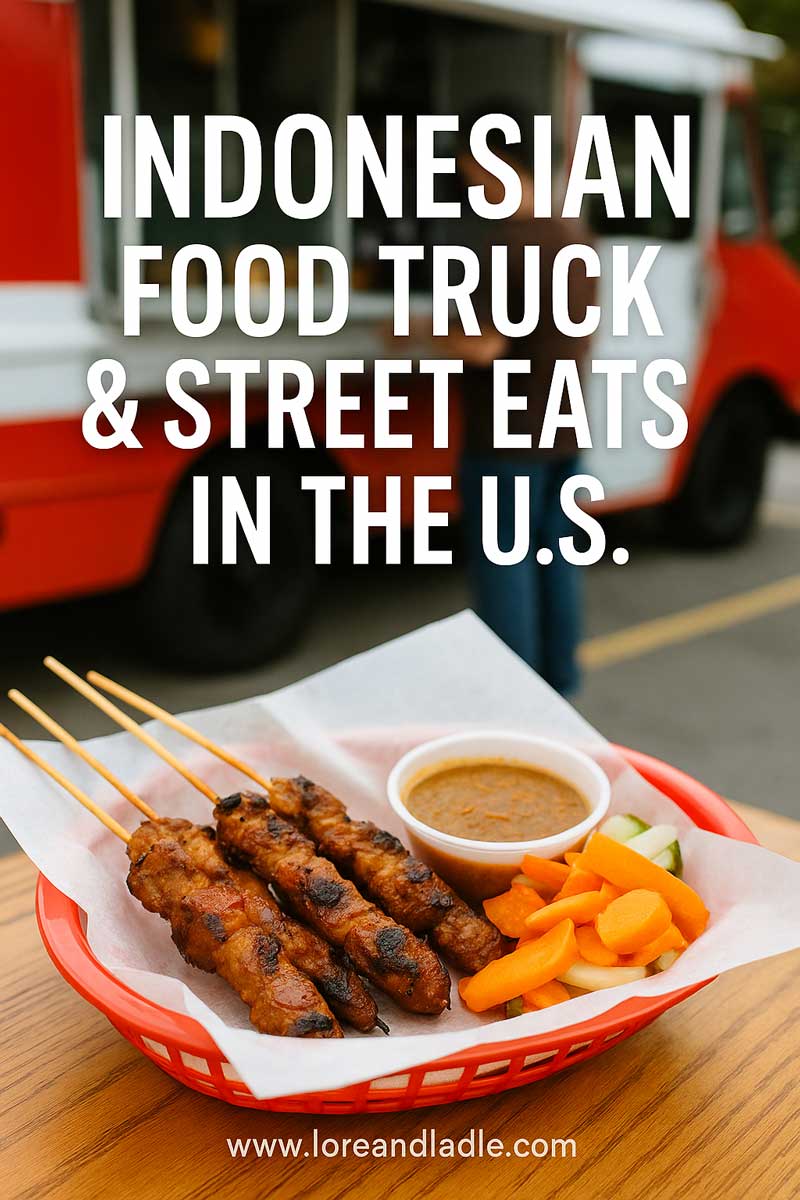
Satay is a universal street favorite in many forms across Indonesia. Skewered meat—beef, chicken, or lamb—receives a lively marinade of turmeric, coriander, cumin, and palm sugar, then grills over charcoal to impart a gentle, smoky chorus of flavors. A rich peanut sauce, sometimes tinged with kecap manis, accompanies the skewers, inviting dipping and sharing. The culture around satay is deeply social: friends gather around a grill, savoring the aroma as they wait their turn. In the U.S., Sate on a food truck or stall becomes a bridge to Indonesian culinary technique—slicing meat with care, controlling heat for tenderness, and balancing sweet, nutty, and savory notes. Satay celebrates the craft of grilling and the joy of communal eating, making it a bold ambassador of Indonesian flavor on the street.
Gado-Gado
Gado-Gado, a vibrant Indonesian salad bowl, centers fresh vegetables, tofu, tempeh, and hard-boiled eggs, all dressed in a luscious peanut sauce. The sauce—made from ground peanuts, garlic, tamarind, palm sugar, and lime—ties the dish together with a nutty, tangy, and slightly sweet profile. Each bite offers a chorus of textures: crisp greens, chewy tofu, silky sauce, and crunchy peanuts on top. Gado-Gado embodies balance and abundance, highlighting how Indonesian cuisine blends plant-based ingredients with bold seasonings. In mobile food settings, it becomes an accessible lesson in layering flavors and honoring seasonal produce. The dish speaks to a culture that prizes harmony, healthful ingredients, and the joy of sharing a colorful platter.
Bakso
Bakso is a beloved meatball soup that looks simple but carries deep culinary significance. These tender balls—often beef or chicken with a touch of tapioca starch—sit in a savory broth with noodles, tofu, and greens. The technique of grinding meat to a light, bouncy texture reflects careful attention to mouthfeel, while the broth showcases a foundation of aromatics like garlic, shallots, and pepper. Street vendors turn Bakso into a comforting, fast, and satisfying meal that people return to again and again. Beyond taste, Bakso represents the daily life of Indonesian communities—warm bowls shared with friends or strangers, a small ritual of welcome and consolation. In the American street-food scene, Bakso adds depth to the menu and demonstrates how simple comfort foods carry enduring cultural meaning.
Mie Goreng
Mie Goreng is Indonesian fried noodles that capture a lively fusion of influences and techniques. Wok-fried noodles mingle with vegetables, eggs, and a kiss of kecap manis for a glossy, slightly sweet glaze. The dish embodies the agile skill of stir-frying, where heat, timing, and tossing create a smoky aroma and a crisp-tried texture. In street settings, Mie Goreng becomes a quick, satisfying showcase of Indonesian technique and flavor layering. It also reflects regional influences that shaped Indonesian Comfort Food, like its ability to welcome diverse toppings and personal twists. A bite of Mie Goreng reveals a joyful balance of chewiness, spice, and savory depth that invites repeat tasting and conversation about regional preferences and family recipes.
Rendang
Rendang is a slow-cooked beef dish bathed in coconut milk and an intense blend of spices, including lemongrass, ginger, turmeric, garlic, and chilies. The meat braises for hours until it becomes tender, deeply flavored, and coated with a glossy, fragrant sauce. Rendang embodies patience, careful technique, and the art of reducing ingredients to their most expressive form. In Indonesian culinary culture, rendang is often tied to celebratory meals and communal feasts, where flavors are savored and shared. In U.S. food trucks and street stalls, rendang offers a dramatic contrast to quicker fare: a dish that rewards slow cooking and presents a rich, complex palate. Its cultural significance lies in depth, heritage, and the way a simple kitchen can birth a dish of profound character and warmth.
Martabak
Martabak is a cherished street-food treasure with savory and sweet versions. The savory Martabak Telur features a thin, crisp pancake folded around eggs, scallions, and often meat, yielding a layered, flavorful bite. The craft lies in folding and cooking the batter to achieve a delicate crust while the center remains plush with filling. Martabak reflects the Indonesian penchant for quick, satisfying bites that are perfect for sharing or nibbling on the go. In the U.S., Martabak brings a tactile, comforting experience to the street scene—an edible story of home kitchens turned into portable moments of joy. The dish showcases how Indonesian snacks can be bold, practical, and elegantly simple at once.
Conclusion: A Celebration of Indonesian Flavor on American Streets
These seven Indonesian food truck and street eats highlight cultural value and culinary significance in distinct ways. They reveal how Indonesian flavors travel, adapt, and thrive in new urban environments while preserving the spirit of traditional technique, seasonality, and communal dining. From the humble comfort of Bakso to the festive depth of Rendang, each dish offers a doorway into Indonesian cuisine’s heart: respect for ingredients, mastery of fire and spice, and a shared table where stories are told through food. Whether you are new to Indonesian flavors or a seasoned explorer, these dishes invite curiosity, appreciation, and a deeper understanding of how street food can carry culture with warmth and generosity.