
Introduction
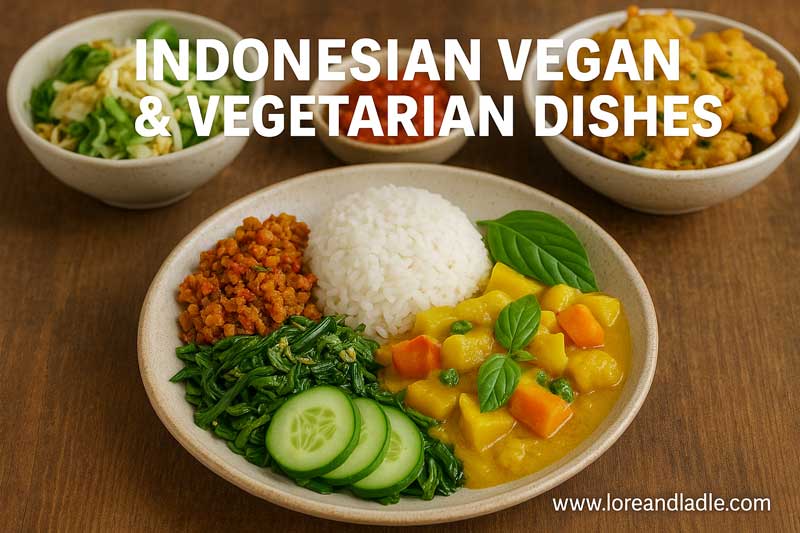
Indonesian cuisine bursts with bold flavors, color, and texture. For plant-forward eaters, many dishes celebrate these traits without meat. This guide, “7 Indonesian Vegan & Vegetarian Dishes to Try If You Love Bold Indonesian Flavor,” highlights dishes that showcase cultural value and culinary significance. Across islands, cooks layer chili, coconut, lime, and fermented ingredients to nourish both body and community. Each dish invites you to savor regional character, seasonal produce, and time-honed techniques.
Tempeh Goreng with Sambal
Tempeh Goreng with Sambal centers on tempeh, a fermented soybean cake that is a pantry staple in Java and beyond. Frying creates a crackly crust and a soft, nutty interior. Sambal adds bright heat, garlic, and a citrus tang that wakes the palate. This dish embodies how simple ingredients can become vibrant with technique and spice. It is commonly enjoyed as a quick, satisfying meal and a cheerful centerpiece for shareable plates.
Gado-Gado: The Garden on a Plate
Gado-Gado brings a rainbow of vegetables to the table, stirred together with a thick peanut sauce. The sauce balances nutty richness with lime, palm sugar, and a whisper of chili. The dish celebrates seasonal produce, texture contrast, and the joy of dipping and drizzling. In many communities, it is a shared dish at gatherings or a hearty lunch option. A vegan version relies on egg-free components, with tofu or tempeh as tasty protein accents.
Sayur Asem: Tangy Vegetable Symphony
Sayur Asem is a bright, tangy vegetable soup built on tamarind and a chorus of vegetables such as corn, greens, and beans. The sour note awakens the palate and pairs beautifully with rice. Its clear broth lets the natural sweetness of vegetables shine through. Across Java and Sumatra, the recipe adapts with local greens and herbs, yet the core idea remains: a refreshing bowl that honors daily eating. Naturally vegan, this dish emphasizes balance and palate clarity.
Pecel: Crunchy Greens with Peanut Sauce
Pecel features crisp greens and vegetables crowned with a rich peanut sauce, often alongside tempeh or tofu. The sauce, seasoned with garlic, chili, tamarind, and palm sugar, invites a complex blend of sweet, sour, and spicy. Street stalls and home kitchens alike showcase Pecel as a celebration of fresh produce and bold textures. Its regional varieties deepen the sense of place, linking farmers’ harvests to the dinner table. A vegan plate is easy to craft with plant-based toppings and silky peanut sauce.
Urab: Coconut-Herb Vegetable Salad
Urab offers a fresh, coconut-fragrant salad of vegetables tossed with shredded coconut, herbs, lime, and spices. The method highlights how coconut and herbs elevate greens without meat. Urab appears in many meals as a side that boosts color, aroma, and nutrition. Its beauty lies in simplicity and the way it harmonizes bright acidity with aromatic coconut. It is a testament to how Indonesian cooks celebrate vegetables as the main event, not just a accompaniment.
Cap Cai: A Colorful Vegetable Stir-Fry
Cap Cai (Capcay) is a lively stir-fry of mixed vegetables and tofu, influenced by Indonesian-Chinese culinary traditions. The dish thrives on a quick toss in garlic and light sauces, preserving the vegetables’ crunch and vibrant color. Cap Cai mirrors everyday life in Indonesian kitchens: quick, flexible, and flavorful. With tofu as a protein anchor, it remains fully vegetarian or vegan when prepared without animal-based sauces. The result is a bright, nourishing dish that pairs well with steamed rice.
Nasi Goreng Sayur: Veggie Fried Rice as a Canvas
Nasi Goreng Sayur turns leftover rice into a bold, comforting meal powered by garlic, chilies, and sweet soy sauce. The dish showcases how Indonesian cooks layer flavors using pantry staples—soy sauce, turmeric, and sesame oil—alongside colorful vegetables. It speaks to communal dining, as fried rice is a common choice for Family meals and casual gatherings. When prepared egg-free and without meat, it remains a satisfying vegan or vegetarian option rich in texture and aroma. Nasi Goreng Sayur embodies the idea of turning everyday ingredients into a dish with soul.
Closing Thoughts
These seven dishes reveal how Indonesian cuisine celebrates bold flavor through plant-forward recipes. Each plate honors regional ingredients, traditional techniques, and the joy of sharing food with others. Whether you cook at Home or seek out a local Indonesian restaurant, you’ll feel the cultural value and culinary significance embedded in every bite. Embrace the variety, and let the flavors guide your exploration of Indonesia’s vibrant food culture.