
Introduction
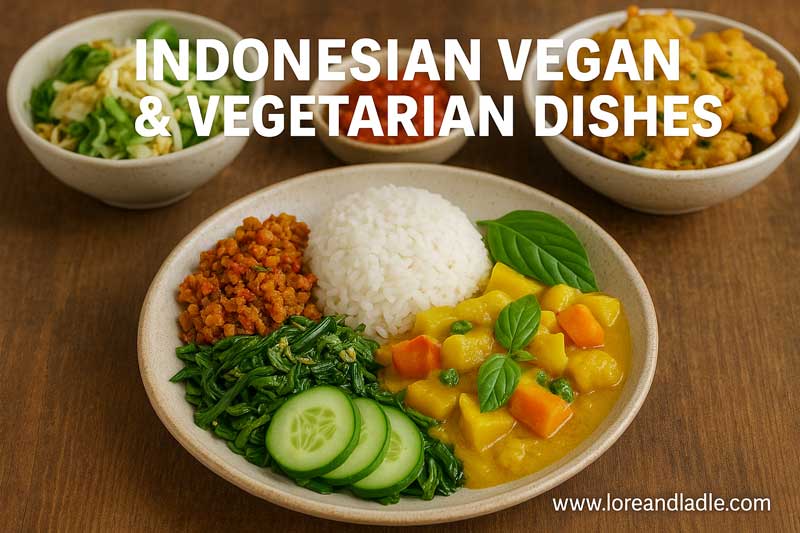
This article introduces seven Indonesian vegan and vegetarian dishes to try if you love bold Indonesian flavor. Each dish carries cultural value, linking family kitchens, local markets, and community gatherings. The focus is on plant-based ingredients, bright spices, and time-honored techniques. These dishes reveal how Indonesian cooks honor seasonal produce, balance sweetness and heat, and create harmony between texture and aroma. Explore how regional ingredients shape a shared culinary language that is welcoming to all palates.
Gado-Gado: A Rainbow of Veggies and Peanut Sauce
Gado-gado is often called the salad with a kick. A platter of crisp vegetables, simmered greens, and tofu or tempeh is finished with a rich bumbu kacang—peanut sauce that is both silky and bold. Culturally, its beauty lies in variety: different regions offer their own veggie medleys and sauce nuances. The dish invites communal eating, with friends and family gathering to mix, dip, and savor. Culinary significance comes from the sauce, which binds flavors—from peanut depth to chilies and lime—into a unified, satisfying bite. This dish also showcases how vegan and vegetarian dining fits into everyday meals, street markets, and special family occasions alike.
Pecel: The Java-Style Peanut-Sauce Parade
Pecel emphasizes the elegance of vegetables dressed in a lively peanut sauce. Steamed or blanched greens, cabbage, carrots, and sometimes tofu or tempeh are coated with a sauce that blends peanuts, chilies, and a touch of tangy lime. In Java, pecel is a staple at meals that celebrate abundance and balance. The dish highlights the regional habit of turning simple produce into something festive and craveable. Its bold taste comes from the balance of crunch, heat, and a bright sour note, illustrating how vegetarian cooking can carry the same excitement as meat-based dishes while staying plant-centered.
Sayur Asem: Tangy Vegetable Broth with Bright Characters
Sayur asem is a tangy, vegetable-forward soup that brightens the table with tamarind, tomatoes, and a chorus of vegetables. The sour-sweet-salty profile wakes the palate and refreshes the senses. Culturally, this dish is a daily companion in many homes, offered as a comforting yet lively option that pairs perfectly with rice. Culinary significance rests in its souring agent—tamarind—whose citrusy note amplifies fresh produce and herbs. The dish demonstrates how a vegan broth can be both warming and invigorating, suitable for family meals and gatherings alike.
Sayur Lodeh: Coconut-Creamed Veggies, Rich and Comforting
Sayur lodeh is a coconut milk-based curry that braises an array of vegetables in a fragrant broth. Turmeric, lemongrass, garlic, and shallots create a layered spice profile that glides over every bite. The dish embodies regional adaptability: different islands showcase distinct veggie choices, yet the creamy texture and aromatic finish remain constant. Its culinary significance lies in how coconut milk transforms humble vegetables into a comforting, celebratory dish without meat. Sayur lodeh invites slow, mindful cooking and shared meals, where the focus is on texture, aroma, and balance.
Nasi Goreng Veg: A Bold, Plant-Packed Fried Rice
Nasi goreng is Indonesia’s iconic fried rice, and the vegetarian version keeps the signature wok hei and smoky edges intact. Garlic, shallots, chilies, and sweet, savory kecap manis color the grains with depth. Tofu, mushrooms, and an assortment of vegetables add protein and texture, while sambal provides a bright heat. Culturally, vegan nasi goreng appears at breakfast carts, home kitchens, and festive tables alike, proving that a plant-based twist can be deeply rooted in daily life. The dish’s significance lies in its adaptability and its ability to showcase bold Flavors in a straightforward, satisfying format.
Tempeh Bacem: Fermented Tempeh with Sweet-Spice Aplomb
Tempeh bacem is tempeh that has been cured in a sweet-spiced brine and then gently fried or baked. The result is tender, slightly chewy, and deeply flavored with palm sugar, coriander, garlic, and nutmeg. Culturally, bacem reflects Indonesia’s love of fermentation and seasoning that lingers on the palate. The dish highlights tempeh as a versatile, protein-rich staple in vegan and vegetarian meals. Its culinary significance lies in how fermentation and a careful spice blend elevate plant-based proteins, offering a bold, comforting option for everyday dining and special occasions.
Pepes Tahu: Tofu Steamed in Banana Leaf, Fragrant and Bold
Pepes tahu uses tofu folded with herbs, chilies, garlic, and lime, then steamed or grilled inside banana leaves. The leaf transmits a gentle woodsy aroma, while the seasoning delivers a bright, penetrating flavor. Culturally, pepes shows the artistry of Southeast Asian cooking, where aroma, texture, and flavor are built layer by layer. In vegetarian kitchens, pepes tahu demonstrates How to honor plant foods with technique—fragrant, moist, and boldly seasoned. This method connects Home Cooks to traditional markets, family recipes, and the everyday joy of sharing a flavorful vegan dish.
Closing Thoughts: Embracing Bold Indonesian Flavor in Plant-Based Traditions
Together, these seven dishes reveal how Indonesian culture celebrates plant-based cooking with intensity and care. Each dish blends regional produce, spice blends, and time-honored techniques to create memorable experiences. Whether you are cooking at home or exploring a market, you’ll find that bold flavor can emerge from simple vegetables, aromatic herbs, and thoughtful preparation. This is the heart of Indonesian vegan and vegetarian dining: respectful, flavorful, and inviting to all who wish to taste its cultural richness.