
Introduction
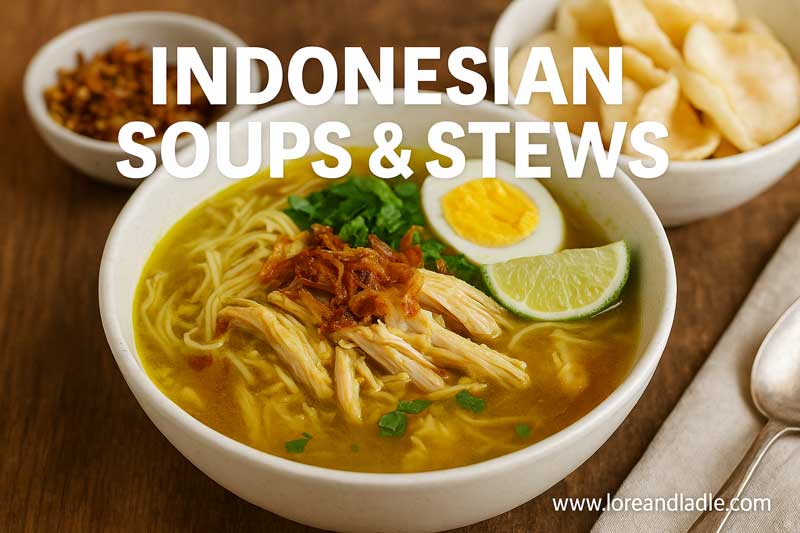
This post introduces the dish “9 Indonesian Soups & Stews to Try If You Love Bold Indonesian Flavor.” It celebrates how Indonesian soups and stews carry culture in every spoonful. Each recipe echoes a region’s pantry, weather, and hospitality. The flavors are bold, yet balanced, revealing how sharing a bowl can connect people to place and tradition. Read on to taste both the artistry and the everyday magic of Indonesian cooking.
Soto Ayam
Soto Ayam welcomes you with a bright, fragrant broth. Turmeric, lemongrass, and ginger bloom in clear chicken stock. This soup reflects home cooking across Indonesia, from rural kitchens to city stalls. It is a staple for breakfasts and gatherings, often served with rice, lime, shallots, and chili. The dish shows how simple ingredients become memorable through careful simmering and aroma.
Culturally, Soto Ayam embodies hospitality. A bowl often travels with family recipes to share with guests, a warm invitation into daily life. Culinary significance lies in its versatility: chefs adapt the broth for light or hearty meals, keeping the same cord of comforting flavor. It teaches how balance—spice, sweetness, and citrus—elevates everyday eating.
Soto Betawi
Soto Betawi carries the creaminess of coconut milk and a depth of spice. Beef, offal, or a mix of both can form the heart of this Jakarta classic. The coconut base adds richness while nutmeg and pepper sharpen the edge. The result is a comforting, yellow-turnished broth that pairs with rice, onions, and herbs. Across regions, devotees honor this soup with pride in its velvety texture and savory aroma.
Culturally, Soto Betawi marks festive and family occasions. It sits alongside rice-centered dishes at celebrations and markets, signaling abundance and care. Culinary significance rests in its teaching of coconut milk’s ability to bound bold flavors with smoothness. The dish invites cooks to layer aroma through a careful mix of spices and fresh garnish.
Soto Padang
Soto Padang offers a bright, robust flavor profile from West Sumatra. The broth glows yellow with turmeric, while slices of beef or offal bring warming heartiness. Crispy fried potatoes and scallions add texture and contrast to the broth. This dish illustrates how Minangkabau influence travels through Indonesia, blending spice and comfort in a familiar bowl.
Culturally, Soto Padang is a lunchroom favorite and a street-food staple. It reflects the region’s love of precise, aromatic spice work and quick service without sacrificing depth. The culinary significance lies in its straightforward yet layered savoriness, which invites both Home Cooks and vendors to honor tradition with every batch.
Rawon
Rawon is famous for its dark, flavorful broth—colored by keluak nuts that give a distinctive, earthy depth. Beef is the usual star, sometimes with eggs or tofu, and the dish is finished with sliced shallots and sambal. The striking color and aroma announce a dish that rewards patient simmering and careful nut handling. Rawon shows how Indonesian cuisine celebrates color and aroma in harmony.
Culturally, Rawon anchors family meals and ceremonial menus in several Java regions. It demonstrates how a single ingredient—keluak—can define a dish’s character. The culinary significance lies in technique: grinding nuts to release fat and flavor, then building a brothy canvas that carries meat and vegetables with grace.
Sup Konro
Sup Konro hails from Makassar and features rib meat in a deeply seasoned, aromatic broth. The spice blend often includes coriander, cinnamon, cloves, and nutmeg, delivering warmth that lingers on the palate. The soup, served with rice or burasa, embodies a coastal-spice tradition that travels with trade routes and family cooks.
Culturally, Sup Konro marks gatherings and celebratory meals in Sulawesi. It teaches how regional markets and home kitchens collaborate to create complexity with modest ingredients. The culinary significance lies in crafting a robust broth that remains comforting, even in larger plates shared among friends and relatives.
Coto Makassar
Coto Makassar centers on a peanut-based broth thickened with ground nuts and a chorus of spices. Beef and offal contribute texture, while fresh herbs and chilies brighten the bowl. The result is a hearty, flavorful soup with a creamy body and a bright finish. The dish demonstrates how nut pastes can transform meat soups into memorable meals.
Culturally, Coto Makassar is a cornerstone of Makassar hospitality. It travels well to markets and homes, inviting people to gather around a steaming pot. The culinary significance lies in its peanut-forward concept, a reminder of how Indonesian cooks layer richness with everyday ingredients for standout flavor.
Bakso
Bakso brings a beloved meatball soup into the limelight. The broth is aromatic, often featuring garlic, pepper, and a hint of nutmeg, while meatballs float like little cushions of savor. Noodles, tofu, egg, or greens typically accompany the dish, creating a satisfying, flexible bowl. The dish shows how texture and warmth combine to comfort and delight.
Culturally, Bakso is a social food, appearing at street stalls, family tables, and school canteens. It embodies accessibility and joy, offering approachable flavor that invites conversation. The culinary significance is in the craft of the meatball and the broth’s seasoning, a signature in many Indonesian neighborhoods.
Sayur Asem
Sayur Asem is a bright, sour vegetable soup that showcases seasonal produce with tamarind tang. Corn, long beans, melinjo, and other vegetables simmer in a light, tangy broth. The dish emphasizes balance—fresh vegetables meeting sourness and a touch of sweetness. Its simplicity reveals how Indonesian cooks celebrate pantry vegetables with bold flavor.
Culturally, Sayur Asem appears in homes as a daily or Sunday dish, often alongside rice and protein. The culinary significance lies in teaching how tamarind acidity can elevate greens and legumes, creating a refreshing counterpoint to richer dishes. It invites cooks to honor seasonal produce and regional variety.
Brongkos
Brongkos stands as a traditional Javanese stew that uses kacang tolo beans, coconut milk, and meat. The result is a deeply savory, earthy stew with a silky finish. Spices like coriander, garlic, and allspice contribute a warm, comforting profile that lingers on the palate. This dish reveals the artistry of slow simmering and careful bean preparation.
Culturally, Brongkos connects families to long-standing Javanese cooking traditions and festive menus. It teaches patience and precision in preparing legume-based stews, showing how plant and animal elements come together in a single, nourishing dish. The culinary significance is in its representation of regional craft and the continuity of time-honored flavors.
Closing Thoughts
These nine Indonesian soups and stews offer more than bold flavors; they reveal the culture, craft, and care behind Indonesian cooking. Each bowl tells a story of place, resourcefulness, and communal sharing. By exploring Soto Ayam, Soto Betawi, Soto Padang, Rawon, Sup Konro, Coto Makassar, Bakso, Sayur Asem, and Brongkos, you walk through a map of Indonesian cuisine—one spoonful at a time. Enjoy the journey, and let the flavors deepen your appreciation for this rich culinary landscape.