
Introduction
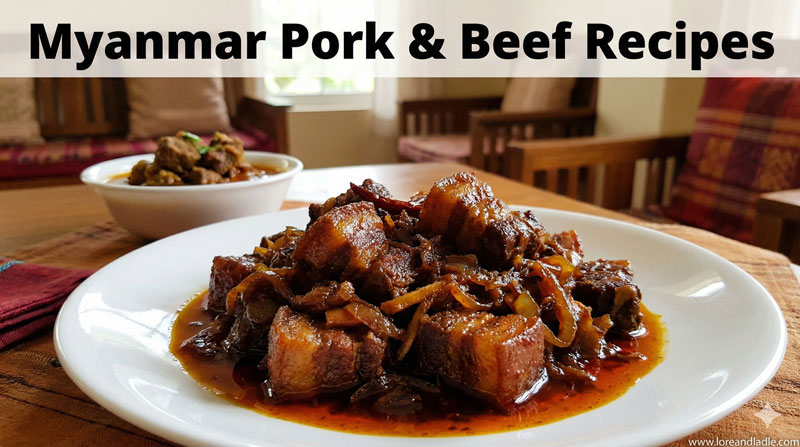
Restaurant-Style Myanmar Pork & Beef Recipes You Can Make at Home invites you to explore a cuisine that honors craft, balance, and communal meals. Burmese meat dishes tell a story of markets, home kitchens, and the careful work of chefs who blend bold spice with delicate seasonings. This post highlights the cultural value and culinary significance of pork and beef in Myanmar’s kitchen. It shows how restaurant-level flavors can be achieved at home with thoughtful technique and respectful sourcing. You will discover why these dishes endure as favorites at tables across the country and in modern homes worldwide.
The heart of Burmese meat flavors
Myanmar’s meat dishes celebrate aroma, texture, and bright, inviting contrasts. Aromatics like garlic, shallots, and ginger mingle with turmeric, lemongrass, chili, and a touch of fermented seasoning. Regional influences meet local produce to create depth: a slow simmer enriches curry, a quick stir-fry preserves tenderness, and a glaze adds a glossy finish. The result is a cuisine that invites sharing and savoring. When you cook these dishes at home, you reproduce a piece of Burmese food culture that values hospitality, timing, and balance. The cultural value lies not only in the flavors but in the way meals bring people together, around steaming rice and small bowls of zesty accompaniments.
Techniques that elevate home cooking
To capture restaurant-quality flavor at home, lean on a few reliable techniques. First, build a flavor base by browning meat well and letting spices bloom in hot oil. Second, layer aromatics early, then add liquids to move from a robust foundation to a harmonious finish. Third, balance spicy heat with acidity and a touch of sweetness. Finally, finish with fresh herbs or citrus to lift the dish just before serving. These steps reflect a chef’s approach in a home kitchen and connect you to the careful craft behind Burmese restaurant menus. The beauty of the method is its clarity: sear, sweat, simmer, and brighten.
Home-friendly versions: beef and pork profiles
Below are approachable profiles that mirror restaurant-style Burmese technique, with steps you can follow at home. Each one emphasizes cultural significance—how flavors reflect local ingredients and dining practices—while offering practical guidance for everyday cooking.
-
Myanmar-Style Beef Curry (Beef, potatoes, and a bright, spicy-sour finish)
-
Key idea: A deeply flavored curry with tender meat and soft potatoes, finished with citrus to evoke a Burmese finish.
- Simple steps:
1) Marinate beef chunks with salt, turmeric, and a touch of garlic.
2) Sear until browned. Remove and set aside.
3) Sauté onions, garlic, ginger, and lemongrass until fragrant.
4) Return beef, add a paste of chili and a pinch of ngapi or fish sauce, then pour in enough water to cover.
5) Simmer until beef and potatoes are tender. Finish with lime juice and chopped cilantro. -
Why it matters: The dish showcases the Burmese habit of building flavor in layers and finishing with a high, bright note.
-
Pork Stir-Fry with Garlic, Black Pepper, and Shallots
-
Key idea: A quick, aromatic stir-fry that highlights pork’s tenderness and the warmth of pepper and garlic.
- Simple steps:
1) Slice pork thinly and marinate briefly in light soy or fish sauce, with a dash of sugar.
2) Stir-fry with sliced shallots, garlic, and a sprinkle of black pepper.
3) Add sliced green chili for a fresh kick, then finish with fresh herbs. -
Why it matters: This dish speaks to the everyday skill of balancing spice, savor, and fragrance in Burmese cooking.
-
Grilled Pork Skewers with Turmeric-Garlic Glaze
-
Key idea: A street-food-inspired dish that translates well to home grilling, offering a smoky, bright glaze.
- Simple steps:
1) Cut pork into cubes and thread onto skewers.
2) Create a glaze with turmeric, crushed garlic, a pinch of sugar, and a splash of fish sauce.
3) Grill until lightly charred, brushing with glaze as you go.
4) Serve with lime wedges and fresh herbs. - Why it matters: Grilled skewers reflect Myanmar’s open-air dining culture and the joy of sharing small, flavorful bites.
Sourcing and guiding your pantry
Authentic Burmese flavors rely on a few key ingredients. Ngapi (fermented fish paste) adds a savory depth; fish sauce provides a similar umami lift when ngapi isn’t available. Fresh garlic, shallots, lemongrass, turmeric, and chilies are essential. If you cannot find ngapi, use a small amount of fish sauce plus a touch of miso or shrimp paste to approximate depth—add gradually and taste as you go. Ground coriander or garam masala can be used to broaden spice notes if desired, but start with the core ingredients first. By choosing high-quality ingredients and using them with care, you honor the dish’s cultural roots while ensuring a bright, clear home-cooked result.
Pairings, presentation, and the table
These dishes pair beautifully with steamed jasmine rice or sticky rice, which are central to Burmese meals. Fresh herbs, lime wedges, and pickled vegetables provide balancing brightness and color. Present the beef curry with a side of rice, a bowl of fresh herbs, and a small dish of chili-sauce or ngapi for guests who enjoy a little extra kick. The aim is to create a shared experience: each bite offers warmth, aroma, and a sense of place that is both welcoming and refined.
A respectful, joyful cooking journey
Cooking restaurant-style Myanmar pork and beef at home invites you into a culture that values craft, balance, and generosity. By embracing careful technique, sourcing thoughtfully, and honoring the ingredients, you can recreate dishes that feel both authentic and approachable. The beauty of these recipes lies in their ability to bridge restaurant-level flavor with everyday home cooking. With curiosity and patience, you will discover how Burmese flavors illuminate the kitchen and transform a simple meal into a memorable experience.
Closing thoughts
Restaurant-Style Myanmar Pork & Beef Recipes You Can Make at Home celebrate the culinary significance of Burmese meat dishes. They invite you to explore flavor, technique, and hospitality in your own kitchen. By focusing on aromatics, layering, and bright finishing touches, you bring the essence of Myanmar to your table. Enjoy the process, share the meal, and savor the cultural value woven into every plate.