
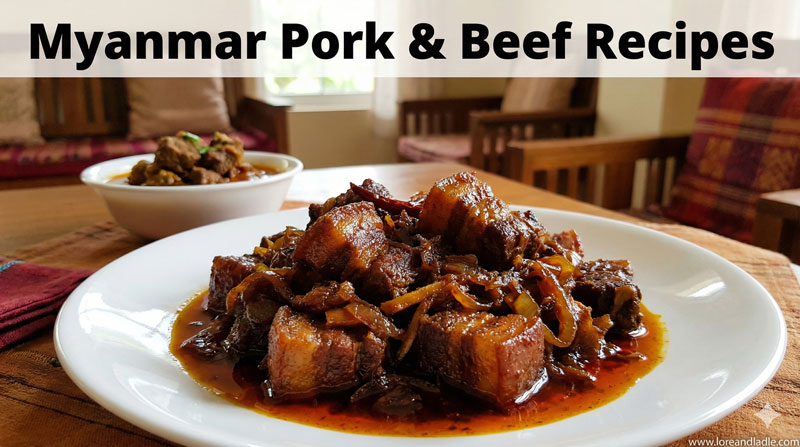
Introduction: How Myanmar Pork & Beef Shine in Weeknight Dinners
Myanmar meals often center on warmth, balance, and a sense of home. When pork or beef crosses the table on a busy weeknight, it carries more than flavor. It carries tradition, care, and a quiet celebration of daily life. These meats become the anchor for quick, satisfying meals that still feel special. In Myanmar, weeknight dinners with pork and beef blend bright herbs with gentle spice and a smooth rice base. The result is comfort that respects time, skill, and the beauty of simple, deliberate cooking. This post explores the cultural value and culinary significance behind serving Myanmar pork and beef Recipes for weeknight dinners. It invites you to notice how aroma, texture, and color tell a story of family, village kitchens, and everyday hospitality.
The Cultural Value of Everyday Myanmar Dining
Food in Myanmar is a daily thread that weaves together family rhythms and local ingredients. Pork and beef are prized for versatility and tenderness when cooked with care. They present a straightforward way to nourish loved ones after work or school. The kitchen becomes a place of quiet collaboration. One person slices, another stirs, and a child helps with garnishes. Sharing bowls and plates creates a sense of belonging. A weeknight meal can be as simple as a fast stir-fry, or as comforting as a slow braise. In either case, the act of eating together reinforces respect for one another and for the season’s produce.
The dishes also carry regional voices. Different towns use the same meat in different ways, guided by ingredients that are local and fresh. A hint of lemongrass here, a splash of lime there, a handful of fresh herbs to finish—these are signs of place. The meals speak softly about how families adapt to busy days while keeping a curiosity for flavor. The cultural value, then, is not only in taste but in the ritual of gathering, in the way quiet conversations flow as plates come to the table, and in the generous pace that makes room for everyone to be part of the meal.
Core Flavors and Techniques That Define Myanmar Pork & Beef
The flavor profile of Myanmar pork and beef is about brightness, depth, and balance. It starts with a clean, hearty base and adds layers that lift the palate.
- Aromatics: Garlic, shallots, and ginger form a fragrant foundation. They wake up the meat without overpowering it.
- Fresh herbs: Lemongrass, cilantro, and mint bring citrusy brightness and cool contrast. Basil and green herbs add a final lift.
- Spices: Turmeric adds warmth and color; chili provides gentle heat; coriander and a touch of cumin offer earthy notes.
- Umami and balance: A dash of fish sauce or fermented fish paste adds depth. A small amount of palm sugar or sugar balances salty and sour notes, creating harmony in every bite.
- Accompaniments: Fresh lime, sliced chili, and crisp greens are common accompaniments. They offer texture, zing, and contrast to the tender meat.
Techniques that shine in weeknight cooking include quick stir-fry, quick-sear and rest, and gentle braising. A fast stir-fry keeps the meat juicy and the vegetables crisp. A sear adds complexity through caramelization. Braising, when time allows, makes tougher cuts tender and infuses them with the surrounding flavors. These approaches honor the meat while respecting the clock. The result is a dish that feels crafted and thoughtful, even on a busy evening.
Weeknight Serving: Plating, Timing, and Pairings
Serving Myanmar pork and beef on weeknights works best when you respect timing, balance, and color on the plate. Start with a rice base, since rice anchors the meal and soaks up flavorful sauces. A bright meat dish sits at the center, with vegetables arranged around it for a pleasing plate.
- Timing: If you’re short on time, choose a quick stir-fry or a fast curry. Prep greens, herbs, and any dipping sauces ahead. Cook the meat in hot oil in a single pan for a clean, vibrant finish.
- Texture and color: Aim for a glossy sauce that clings to the meat, a bit of bite from vegetables, and a glossy green garnish. Color contrast invites the eye and the palate.
- Finishing touches: A squeeze of lime or a splash of citrusy vinegar brightens the dish. Fresh herbs at the end lift aroma and freshness.
- Sides: Light greens, cucumber slices, or a handful of roasted peanuts add crunch and balance. Plain steamed rice remains a reliable stage for the main dish.
A weeknight meal should feel welcoming, not rushed. The plate becomes a small ceremony—carefully arranged, yet effortless in spirit. In this way, serving Myanmar pork and beef is not just about eating; it is about making room for gratitude and shared time.
Simple, Family-Driven Menu Ideas for Weeknights
Here are three approachable concepts that honor Myanmar flavor and fit busy evenings. Each idea centers on pork or beef and pairs well with rice and a fresh side.
- Beef with Turmeric and Onion: Thinly sliced beef sears quickly with onion slices, garlic, and turmeric. Finish with a squeeze of lime and chopped cilantro. Serve over hot rice with a crisp cucumber salad on the side.
- Pork Stir-Fry with Garlic, Pepper, and Greens: Sliced pork is tossed with minced garlic, sliced chili, and a handful of greens such as spinach or bok choy. A light soy or fish sauce glaze ties the dish together. Garnish with fresh herbs.
- Beef Tomato Curry: Gentle curry spices simmer with tomatoes and beef until tender. A small amount of sugar or palm sugar balances acidity. Serve with rice and a side of lightly dressed greens.
These menus are designed to be flexible. Adjust heat, acidity, or sweetness to fit your family’s taste. The goal is the same: quick, comforting meals that celebrate Myanmar flavors and fit into a busy week.
The Joy of Shared Meals: Hospitality at the Table
Hospitality is a quiet art in Myanmar kitchens. The act of serving pork or beef becomes a small ceremony of care. Hosts often invite helpers to wash vegetables, set the table, or plate the final dish. The table welcomes conversations, stories, and laughter as the aroma fills the room. This gentle hospitality makes weeknight dinners feel meaningful, not rushed. The same dish can become a memory shared across seasons and years, simply by the way it is prepared, plated, and enjoyed together.
Ingredients That Elevate: Herbs, Spices, and Balance
A well-balanced Myanmar pork or beef dish relies on fresh ingredients and mindful proportions. Focus on fresh herbs and crisp vegetables to lift the meat’s natural sweetness. Lemongrass brightens; lime adds zing; cilantro and mint give cooling finish. Spices should enhance without overpowering. A touch of fish sauce or shrimp paste deepens the umami without making the dish heavy. A bit of palm sugar or brown sugar helps round out sour, salty, and spicy notes. With these ingredients, even a quick weeknight preparation feels thoughtfully crafted.
Crafting a Nigerian? No—Myanmar Table: Etiquette and Hospitality
In Myanmar, generosity at the table expresses respect for guests and family alike. Sharing portions and offering second helpings are simple ways to show kindness. Conversations naturally flow around the table as the aromas rise. The culture values a calm pace, allowing everyone to appreciate the dish, the aroma, and the company. For weeknight dinners, this ethos translates into meals that feel generous, though they are often prepared with minimal fuss. The taste becomes a bridge between the busy day and a peaceful evening.
Final Thoughts: Honoring the Table with Myanmar Pork & Beef
Myanmar pork and beef dishes for weeknight dinners offer a unique blend of practicality and poetry. They are quick enough for busy days, yet nuanced enough to feel ceremonial. The beauty lies in the balance of aromatics, the softness of the meat, and the crispness of fresh vegetables. The dish becomes a celebration of home life, a reminder that a family meal can be a small ritual that rebuilds energy and mood after a long day.
If you seek to bring Myanmar flavors into your weekly routine, start with a simple pork or beef stir-fry or curry. Keep the ingredients fresh, respect the cooking time, and finish with brightness. Share the meal with care, plate it with attention, and let the room fill with aroma and conversation. In this way, weeknight dinners become more than sustenance; they become a cherished practice of hospitality and a nod to the beauty of Myanmar’s culinary landscape.