
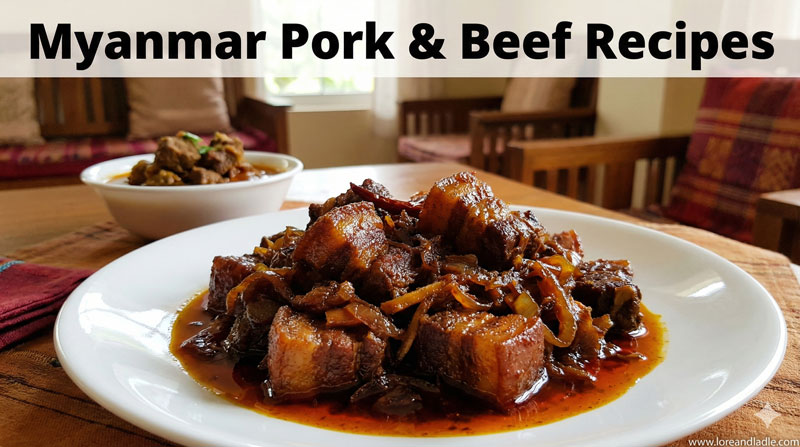
Discovering the Trend: Trending Myanmar Pork & Beef Recipes Dishes in the U.S. This Year
This Year brings a lively wave of Myanmar pork and beef dishes into American kitchens and dining rooms. The trend highlights a cuisine that values balance, warmth, and shared meals. These dishes invite cooks to explore bold spice blends, fragrant herbs, and comforting textures. As you read, you will feel how the food speaks of place, family, and time-honored techniques passed down through generations.
The Cultural Heartbeat of Myanmar Meat Dishes
Myanmar meat dishes carry a cultural heartbeat that centers on hospitality and companionship. In Myanmar homes, meals are often more than sustenance; they are moments for conversation, laughter, and connection. Pork and beef are celebrated for their versatility. They absorb flavors deeply when slow-cooked, yet brighten with quick stir-fries and fresh herb notes. This duality—the comfort of a simmer and the brightness of an herbaceous finish—defines the cultural value of these dishes. in the U.S., home cooks and chefs alike savor that same sense of welcome and sharing when they plate Myanmar-inspired meat dishes.
Core Flavors and Techniques
Myanmar cuisine blends flavors in clear, thoughtful ways. Common building blocks include garlic, shallots, lemongrass, turmeric, and fresh chilies. Fermented pastes and fish sauces add depth, while herbs like cilantro and mint lift the finish. For pork and beef, the technique matters as much as the spice. Slow braising and simmering coax tenderness from tougher cuts, releasing a rich, layered sauce. Quick wok or skillet tosses preserve a bright, peppery bite and a glossy glaze. The result is a palate that feels both hearty and refined—comforting yet precise.
Dishes You May Be Seeing This Year
In this year’s trend, look for a range of Myanmar pork and beef preparations. Expect richly spiced curries that hug the meat; savory stews that invite a shareable moment; and skewered or grilled offerings that glow with char. You may also encounter tender braises with fragrant gravy, alongside lighter stir-fries where greens and herbs recapture a garden brightness. Across menus and home kitchens, these dishes showcase harmony: the meat’s natural savor, the warmth of spice, and the lift from fresh herbs. Each plate embodies a story of regional cooking styles meeting contemporary curiosity.
How These Dishes Shape Shared Meals
These dishes teach us the beauty of balance in a shared meal. They pair well with plain rice, steamed vegetables, and tangy picks that cut the richness. The act of serving a steaming pot or platter invites conversation and a sense of ceremony. The cultural value lies in invitation—placing warmth at the center of the table and inviting others to savor not just the meat, but the spice harmony and the patience behind the preparation. In doing so, these dishes enrich gatherings with a sense of place and time.
Sourcing and Preparing with Care
Quality ingredients elevate every dish. Seek fresh pork and beef from trusted sources, and favor herbs and aromatics that bloom in fragrance. Respectful preparation means trimming with care, balancing spices thoughtfully, and cooking until the meat remains juicy and tender. When you cook, you honor the craft and the people who nurtured these recipes through generations. This mindful approach makes the experience truly memorable.
A Quick Guide to Recreating the Essence at Home
- Start with a simple pork or beef base, then build notes with garlic, shallots, and lemongrass.
- Use a slow simmer for depth, then finish with a bright herb scatter for balance.
- Pair with plain rice or a light vegetable dish to keep the meat’s character clear.
- Treat each meal as a moment to welcome others, share stories, and enjoy the aroma of spices in harmony.
Closing Thoughts
Trending Myanmar pork and beef dishes in the U.S. this year celebrate culture through flavor. They invite us to savor tenderness, warmth, and communal eating. The beauty lies in how a single pot, a few herbs, and patient cooking can create a bridge between cuisines. If you approach these dishes with curiosity and care, you will discover not just a meal, but a living tradition that celebrates the joy of food shared together.