
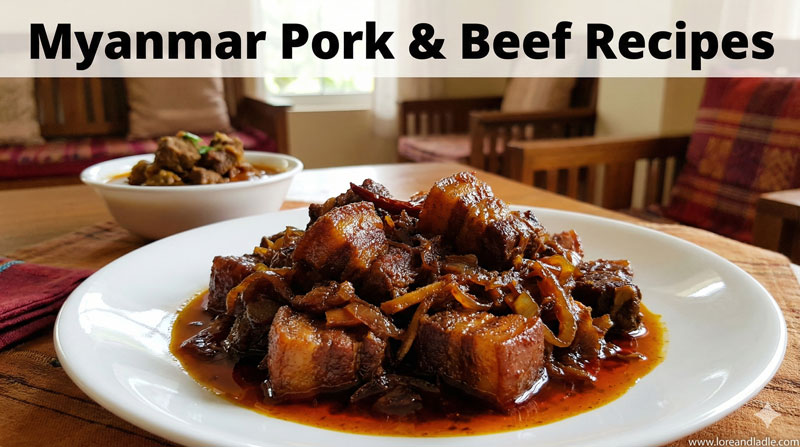
A Warm Welcome to Easy Party Platters Built Around Myanmar Pork & Beef Recipes
This article introduces a plated celebration made easy: Easy Party Platters Built Around Myanmar Pork & Beef Recipes. The idea shines in how Myanmar flavors meet simple, shareable presentation. The platter becomes a frame for hospitality, offering guests bite-sized moments of aroma, color, and crisp tenderness. We celebrate the dish as a window into a vibrant food culture, where everyday ingredients become thoughtful, communal joy. Every element is crafted to invite conversation and savor, from the first swirl of fragrance to the final bite.
A Brief Portrait of Burmese Flavor Traditions
Myanmar cuisine centers on balance and accessibility. Sweet, sour, salty, and spicy notes mingle in harmony. Fresh herbs lift dishes, while roasted spices deepen them. Pork and beef provide a canvas for both curry-like depths and bright, grilled edges. Aromatics such as garlic, shallots, lemongrass, and ginger wake the plate. Fermented fish products contribute a salty, umami backbone that supports bright lime juice and palm sugar. In this platter concept, those contrasts are brought forward in a friendly, party-ready form. The result is familiar yet new, comforting yet vibrant, inviting guests to explore layers of flavor with every bite.
Techniques that Shape the Platter
To build a memorable platter, the preparation blends light hands with confident technique. First, marinate meat with a simple chorus of garlic, pepper, a dash of fish sauce, and a touch of lime juice. This creates tenderness and a clean, savory base. Next, choose two paths: quick, smoky grilling for a lively edge, and slow braising or shallow-frying for succulent, tender centers. Both approaches honor Burmese seasoning while offering variety on the same platter. Finally, glaze or finish with a glaze that harmonizes palm sugar, a hint of tamarind, and a splash of soy or fish sauce. The result is meats with caramelized surfaces, juicy interiors, and a chorus of aromas that rise as the platter is presented.
A Rainbow on the Table: Color, Texture, and Aroma
The visual and textural range is crucial. Slice meats into bite-sized portions that feel generous yet easy to pick up. Pair tender, glossy beef with leaner pork cuts for balance. Include something charred and crisp, something silky and braised, and a few fresh-textured items like cucumber rounds or herb sprigs. The color story—caramel browns, emerald greens, and sunny citrus hints—draws guests in and signals variety. Aromas play a guiding role; the scent of garlic, scorched edges, lime zest, and green herbs lets everyone know the platter offers depth and delight.
Dips, Sauces, and Fresh Garnishes
A great party platter benefits from thoughtful sauces and bright accents. Consider a lime-chili dip that sparkles with citrus zing, a peanut-tinged sauce for richness, and a light fermented-fish dip that adds a touch of savory depth. Fresh garnishes—cilantro or mint leaves, sliced chilies, and coriander seeds lightly crushed—lift the flavors and invite guests to sample combinations. Quick pickled vegetables add a crisp bite and a welcome tang, balancing the richness of meat with a refreshing finish. The goal is a trio of dips plus greens that encourage dipping, stacking, and tasting in any sequence.
Hosting Tips: Timing, Plating, and Presence
Easy party planning starts with a calm plan. Prepare marinades and sauces ahead so you can focus on finishing touches closer to serving time. Assemble meats and vegetables in a clean, organized layout. Plate the platter with clear sections: grilled slices, braised morsels, and fresh accompaniments. Keep sauces in small bowls with spoons for easy sharing. Finally, present the platter on a warm, inviting surface and add a light sprinkle of herbs just before guests arrive. Good lighting and a simple, welcoming table setup help guests feel cared for from the moment they gather.
A Cultural Heartbeat: Sharing as a Culinary Value
This platter concept honors a tradition of gathering around good food. In Myanmar-inspired meals, sharing is not just about sustenance; it is about conversation, memory, and the joy of discovery. The easy party platter makes this ritual accessible to Home Cooks and guests alike. It invites multiple generations to participate—parents teaching children to balance flavors, friends trading tasting notes, and neighbors enjoying a shared moment. In this way, the dish becomes more than a collection of recipes; it becomes a heartfelt practice of hospitality and connection.
Practical Notes for Home Cooks
- Start with one meat at a time. For pork, choose lean cuts that stay moist; for beef, select cuts that brown nicely and hold flavor.
- Marinate for at least 30 minutes, ideally longer, to develop depth.
- Cook the two meat components on separate pans or grills to control heat and texture.
- Rest the meat briefly after cooking to retain juiciness before slicing.
- Assemble the platter just before serving to preserve brightness in herbs and crisp edges in grilled pieces.
- Offer at least two dipping options and a refreshing herb garnish to complete the experience.
Concluding Thoughts: A Natural Expression of Taste and Togetherness
Easy Party Platters Built Around Myanmar Pork & Beef Recipes invites everyone to explore a cuisine that delights in balance, aroma, and communal pleasure. The platter is more than food; it is a bridge between home kitchens and social gatherings. It honors skillful technique while remaining approachable, encouraging cooks to experiment with texture and flavor. In its generous sharing, the dish reveals a culture that loves hospitality, craftsmanship, and the artistry of savoring together. This is a celebration of Burmese culinary beauty—one platter, many smiles, and a lasting memory of gatherings that feel warm and inviting.