
Introduction
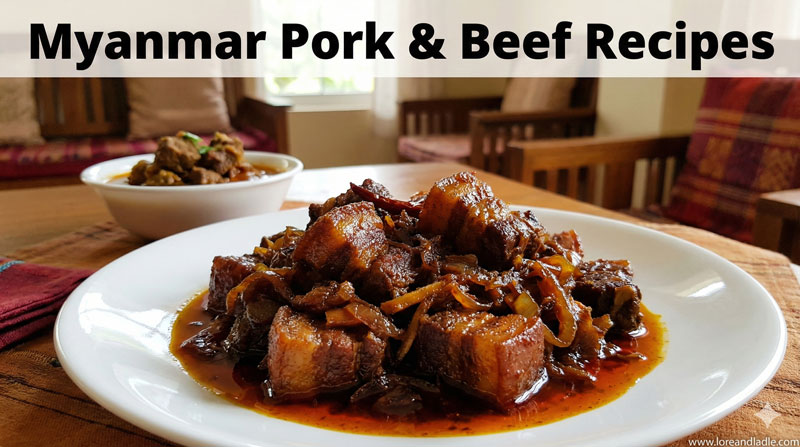
Smart Meal Prep with Leftover Myanmar Pork & Beef Recipes invites you into a kitchen where humble leftovers become vibrant meals. This approach honors Burmese culinary culture by valuing ingredients, seasons, and family rhythms. The dish blends practical meal planning with a celebration of fresh aromas, bold flavors, and shared tables. It shows how tradition and ingenuity can coexist, turning yesterday’s meat into today’s comforting favorites.
The Flavor Palette of Myanmar
Myanmar cooking centers on bright, balanced flavors. Think lemongrass, garlic, shallots, ginger, and turmeric, all working with fish sauce or fermented pastes to deepen taste. Pork and beef leftovers absorb these notes beautifully, transforming into curries, stews, or quick sautés that still feel distinctly Burmese. Fresh herbs, crunchy vegetables, and a squeeze of lime add brightness. The result is a harmony of savory, sour, and often a gentle heat that mirrors everyday meals across markets and home kitchens.
Techniques That Honor Tradition
Tradition shines in the way flavors are built. Toasting spices briefly wakes their aroma, then simmering or slow braising yields tender meat and rich sauce. The leftovers are not merely warmed; they are rebuilt with new layers. A quick stir-fry brings color and texture, while a simmered curry coats every piece with sauce. The use of a mortar and pestle, or a simple chopping board, emphasizes hands-on craft. This careful technique preserves memory while inviting fresh experiences at the table.
Leftovers as a Cultural Practice
In Burmese kitchens, turning leftovers into a new dish is more than practicality; it is care. It reduces waste and shows respect for the ingredients and the people who prepared them. Leftover pork and beef can become comforting stews, savory wraps, or hearty soups that feed a family or sharing plates. This practice strengthens bonds, as cooks talk through plan-ahead menus, assign roles, and enjoy the aroma together. It is a small, daily ritual that keeps tradition alive in a modern kitchen.
Meal Prep as a Cultural Skill
Smart meal prep fits naturally into everyday life. Planning two or three meals from a single batch of meat fits family schedules, market visits, and kitchen routines. Portion ideas guide the day: a larger portion for a main meal, smaller servings for quick lunches. Refrigeration and reheating steps are simple, but the impact is meaningful—consistent, flavorful meals that respect time and resources. This approach promotes mindful cooking and invites everyone to participate in the process.
Flavor Pairings and Serving Traditions
Rice remains the heart of the meal, serving as a comforting canvas for the pork and beef preparations. Accompany the main dish with fresh vegetables, citrusy notes, and light pickles to balance richness. A squeeze of lime or a handful of fresh herbs brightens the plate. Side dishes, such as crisp salads or lightly seasoned condiments, provide contrast and texture. The setting—simple bowls, shared spoons, and warm conversations—reinforces the social value of food in Burmese culture.
Practical Tips for Home Cooks
- Start with a small batch of leftovers and plan two new meals.
- Toast spices briefly to unlock depth before adding liquids.
- Balance the dish with sour, salty, and fresh elements to keep flavors lively.
- Store portions in airtight containers and label dates for Easy planning.
- Pair with rice, a light salad, and a citrus note to refresh the palate.
Celebrating the Dish’s Cultural Place
This dish is more than a recipe; it is a reflection of everyday life in Myanmar. It honors the importance of meals as a time for gathering, storytelling, and shared care. The technique, the ingredients, and the thoughtful reuse of leftovers together celebrate a culinary culture that values balance, resourcefulness, and hospitality. It invites cooks of all backgrounds to appreciate Burmese flavors and to participate in a gentle, flavorful tradition.
Conclusion
Smart Meal Prep with Leftover Myanmar Pork & Beef Recipes embodies cultural value and culinary significance in everyday cooking. It shows how tradition can guide modern routines, how flavor can be rebuilt with care, and how meals become a comforting space for Family and friends. By honoring ingredients and the art of meal planning, this approach offers a warm invitation to savor Burmese cuisine, one thoughtful bite at a time.