
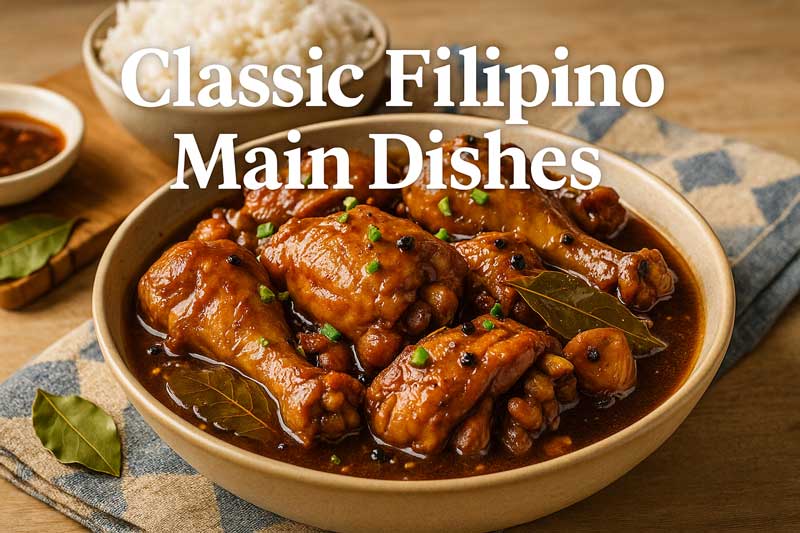
Why Pork Menudo Is a Must-Try Filipino Dish for U.S. home cooks
Filipino Cuisine offers a warm invitation to home kitchens across the United States. Among the many dishes that deserve a first look, pork menudo stands out for its comforting aroma, balanced flavors, and satisfying heartiness. Why Pork Menudo Is a Must-Try Filipino Dish for U.S. home cooks because it invites both curiosity and homey familiarity. It blends familiar pantry items with a taste of a distant archipelago, turning everyday cooking into something celebratory without complexity. This dish fits well on weeknights and on weekend gatherings, and it travels easily from pot to plate to share with loved ones. Its bright tomato base, tender morsels of pork, and colorful vegetables create a dish that feels timeless and timelessly welcoming.
When you prepare Why Pork Menudo Is a Must-Try Filipino Dish for U.S. home cooks, you begin with a clear idea: the dish is a one-pot meal that nourishes the body and the conversation at the table. It is a dish built on balance—savory, slightly sweet, and deeply savory all at once. The pork provides a gentle richness; the tomato sauce lifts the flavor with brightness; potatoes and carrots offer heft and substance; peas and peppers add color and a crisp note. Sides like steamed rice or crusty bread help carry the sauce, making each bite a comforting, complete experience. For U.S. home cooks, menudo is a bridge between simple weeknight cooking and the pleasure of sharing a flavorful, well-loved dish with family and friends. This is why Pork Menudo Is a Must-Try Filipino Dish for U.S. home cooks, and why many home kitchens return to it again and again.
The Flavor Canvas: What Makes Menudo Special
Pork menudo is a canvas that captures the shared identity of a regional cuisine while remaining approachable for cooks anywhere. The primary flavor comes from a tomato-based sauce that carries a touch of sweetness and a savory backbone. The pork pieces absorb the sauce, taking on a depth that feels both rustic and refined. Think of a slightly tangy, tomato-forward foundation that harmonizes with onion, garlic, and a soft echo of soy or fish sauce. The overall result is a bright, comforting, and nourishing stew that invites a second helping.
Texture also plays a starring role in Why Pork Menudo Is a Must-Try Filipino Dish for U.S. home cooks. The pork should be tender but not mushy, offering a satisfying bite that contrasts with the soft potatoes and carrots. Peas and red bell peppers contribute color and a gentle snap, keeping the dish from feeling uniform. A well-made menudo feels cohesive, with each element enhancing the others. The flavors stay balanced: the savory base is enriched without becoming heavy, and a touch of sweetness rounds out acidity from the tomato. This harmony is part of what makes Warum Wait—Why Pork Menudo Is a Must-Try Filipino Dish for U.S. home cooks a dish many people remember fondly after their first bite.
In practice, the flavor profile for pork menudo comes from layering ingredients with care. Sautéed aromatics release their perfume, tomato sauce provides brightness, and a light sweetness helps temper the acidity. The potatoes and carrots contribute earthy sweetness and substance, anchoring the dish as a hearty meal. A pinch of salt, a splash of soy sauce or fish sauce, and a hint of sugar can help to align flavors with personal taste. Some cooks add a touch of raisins or sweet peppers for a fruity note, while others keep the dish simpler and more savory. These small choices are part of What makes the dish flexible for home cooks in the United States, allowing for regional preferences and pantry realities.
Texture and Color: A Pleasing Mouthfeel
Texture and color give pork menudo its welcoming character. The dish presents a warm, reddish-brown glow from the tomato sauce, punctuated by the yellows and oranges of potatoes and carrots. When plated, the bright green peas and the vivid red peppers bring a lively contrast that makes the dish feel festive even on ordinary weeknights. The textures come from a careful balance of elements: the pork should be tender and juicy, the potatoes should hold their shape while becoming creamy inside, and the carrots should be soft yet firm enough to notice a gentle bite. The peas add a delicate pop of sweetness and a slight bite of texture that keeps the dish from feeling uniform.
Texture matters not only for mouthfeel but also for how the dish behaves as leftovers. In Why Pork Menudo Is a Must-Try Filipino Dish for U.S. home cooks, you will notice that flavors intensify after sitting. The sauce can thicken slightly, and the potatoes can absorb more of the tomato and meat juices, enhancing the sense of comfort in each bite. A well-made menudo remains appealing whether served hot straight from the stove or warmed later for a simple lunch. This staying power makes it a reliable choice for family meals, potlucks, and gatherings where the goal is to share something wholesome and satisfying.
Color and texture are also about the cooking approach. Some cooks prefer to simmer the sauce until it develops a glossy sheen, while others aim for a thicker, more substantial sauce that clings to each pork piece. The choice affects the overall feel of the dish and can be aligned with how you want to present it. In any case, the result is a dish that looks as comforting as it tastes, inviting people to serve seconds and linger at the table a while longer.
Core Ingredients and Their Roles
At the heart of Why Pork Menudo Is a Must-Try Filipino Dish for U.S. home cooks are core ingredients that work in harmony. Pork shoulder or similar cuts give the dish its fat content and succulent texture. Potato chunks add heft and starch, helping to absorb sauce and balance richness. Carrots offer sweetness and color, while green peas introduce a tender bite and green brightness. Red bell peppers contribute a crisp edge and a vibrant hue that stands out in the sauce.
Tomato sauce or tomato puree forms the base, giving the dish a familiar, bright flavor that resonates with many cooks. Onion and garlic create an essential aromatic foundation, enriching the sauce with depth and warmth. A small amount of seasoning—such as soy sauce or fish sauce, salt, and a touch of sugar—helps to fuse flavors and achieve a balanced overall taste. Some cooks opt for liver spread or a similar thickener; others keep the base straightforward with tomato and aromatics. The choice depends on taste, texture preference, and what is available in the pantry, but all versions share a common respect for the main ingredients and their roles.
This combination of ingredients makes Why Pork Menudo Is a Must-Try Filipino Dish for U.S. home cooks versatile. You can adjust the vegetables to what you have on hand, swap in other root vegetables if needed, or tailor the sauce to a sweeter or more savory profile. The dish remains approachable because the core components are familiar to many cooks: meat, potatoes, carrots, and a tomato-based sauce. It is this simplicity and adaptability that makes menudo a dependable kitchen companion for home cooks in the United States who want to explore Filipino flavors without sacrificing practicality.
Techniques at a Glance
You will find several core techniques behind Why Pork Menudo Is a Must-Try Filipino Dish for U.S. home cooks that contribute to its success. First, browning the pork adds a deep, savory note and helps develop complex flavors through the Maillard reaction. This step creates a foundation that the sauce can cling to and build upon. Next, cooking onions and garlic creates a sweet, fragrant base that brightens the entire dish. The tomato base follows, bringing acidity and a rich, full-bodied flavor that pairs well with the meat.
As the sauce thickens, potatoes and carrots are added so they can gradually cook and absorb the flavors. The final stages often involve adding peas and peppers, which stay slightly crisp to provide texture contrast against the tender meat and starches. The dish can simmer gently to meld flavors, but it should not be allowed to boil vigorously, as that can break down the vegetables too quickly and make the sauce heavy. The balance among these steps is what makes the dish soothing and satisfying rather than overpowering.
These techniques are well-suited to home kitchens in the United States, where cooks often work with a mix of fresh and pantry ingredients. You can adapt the method to a slow simmer on the stove, a quicker skillet-to-sauce approach, or even a one-pot method that minimizes cleanup. The essential point remains constant: technique is about layering flavors, respecting ingredients, and maintaining a gentle rhythm that produces a comforting, well-rounded result.
Occasions to Serve Menudo
Why Pork Menudo Is a Must-Try Filipino Dish for U.S. home cooks shines brightest at moments that call for warmth and sharing. It is a dish that suits family dinners, weekend gatherings, and celebratory meals alike. The pot of menudo often signals a table filled with conversation and laughter, a cue that the meal centers on togetherness. The dish’s generous portioning makes it easy to feed a crowd without complicated planning, which is ideal for casual get-togethers, game nights, or Sunday lunches after church or community events.
Another important aspect is the sense of readiness menudo offers. The dish can be prepared ahead of time and reheated with minimal fuss, allowing hosts to spend more time with guests rather than tending the stove. Whether you are welcoming neighbors, friends, or relatives, pork menudo can join a spread alongside other Filipino favorites or stand alone as a feature dish. Its comforting aroma invites people to take a seat, share stories, and enjoy a meal that feels like a warm embrace.
In addition to family meals, menudo works well for potlucks and community events where a single dish can appeal to diverse palates. You can pair it with rice, crusty bread, or simple salads to create a balanced menu. The adaptability of Why Pork Menudo Is a Must-Try Filipino Dish for U.S. home cooks means you can tailor the dish to the occasion, whether you want a lighter version with fewer fats or a version that emphasizes a heartier, more robust sauce.
Ways People Enjoy It Across the U.S.
Across the United States, home cooks bring their own flavors and memories to pork menudo. Some keep the dish traditional, cherishing the familiar combination of meat, potatoes, carrots, and peas with a tomato-based sauce. Others adapt it with regional twists, substituting peppers or adding corn, green beans, or different sweet vegetables to reflect local preferences. The dish travels well with various accompaniments, from plain steamed rice to a bed of fried plantains or a fresh, crisp cucumber salad. The sauce also works nicely as a ladle over a simple bread or a slice of crusty loaf, allowing the bread to soak up the sauce’s warmth.
People also enjoy menudo as part of a larger spread. It pairs with other Filipino favorites like adobo, sinigang, or pancit, offering a colorful, flavorful anchor among a group of dishes. Leftovers become convenient for Busy weekdays, turning into lunch bowls or quick meals that retain their comforting taste. The dish’s versatility means it can adapt to different dietary needs or preferences, making it a fitting choice for households small and large.
In homes that place a premium on fresh produce, cooks might swap in fresh peas or use colorful peppers to brighten the dish. In others, convenience ingredients and shelf-stable tomato sauce play a larger role, yet the end result remains a satisfying, heartwarming meal. Why Pork Menudo Is a Must-Try Filipino Dish for U.S. home cooks resonates because it can reflect personal taste while preserving the dish’s traditional spirit. The experience of sharing this dish, whether in a quiet family dinner or a lively gathering, makes it a meaningful choice for many households.
Modern Twists and High-Level Recipe Ideas
For cooks seeking high-level recipe ideas without a full step-by-step approach, consider these directions that keep the essence of the dish intact while offering variety:
- Classic-lean pork menudo with potatoes, carrots, peas, and bell peppers in a tomato-based sauce. Keep the sauce bright with a touch of acidity and a hint of sweetness to balance flavors.
- Liver-spread version for a richer texture. Use a small amount to thicken the sauce and deepen the umami without overpowering the dish.
- Vegetarian or alternative-meat version using mushrooms or soy-based pork substitutes. The stock and tomato base still provide a hearty feel, and vegetables become the focal point.
- Lighter version with lean pork and more vegetables. Reduce oil in the cooking process and emphasize crisp-tender vegetables to maintain color and texture.
- Hallmark regional twists, such as adding pineapple for a fruit-forward note or a dash of vinegar to brighten the sauce, each giving a distinct regional touch to the same flavorful framework.
If you are serving a crowd in Why Pork Menudo Is a Must-Try Filipino Dish for U.S. home cooks, present the dish with a simple garnish of fresh herbs or a lime wedge to add a hint of brightness at the end. Sides can vary from a simple green salad to a more elaborate spread of Filipino appetizers, depending on the occasion and your menu plan. The goal is to maintain the dish’s core identity while allowing room for personal touch and culinary curiosity.
Culture, Family, and Shared Meals
Why Pork Menudo Is a Must-Try Filipino Dish for U.S. home cooks is closely tied to the values of hospitality and shared meals that exist in many households. In the home kitchen, menudo is often prepared with care, the cook tasting and adjusting as the sauce simmers to the desired balance. The act of cooking becomes a form of care, and the meal turns into a time for conversation, laughter, and gratitude for the day’s work. The ingredients tell a story of how a family eats together—simple staples that come together to create something comforting and satisfying.
Filipino cuisine includes a broad tapestry of dishes, and menudo sits comfortably within that tradition as a dish that is both practical and celebratory. It demonstrates how everyday ingredients can be transformed into something special through thoughtful preparation and patience. The dish is commonly enjoyed with loved ones around a table, offering a moment to pause and savor the collective experience rather than rushing through the meal. This essence of togetherness adds to Why Pork Menudo Is a Must-Try Filipino Dish for U.S. home cooks, making it a memorable part of many family traditions.
In the United States, this dish bridges culinary curiosity and everyday cooking. It invites home cooks to explore new flavors while maintaining the comfort of familiar ingredients. The result is a meal that feels inclusive and welcoming, a chance to try something new without leaving the warmth of home. This blend of curiosity and comfort is a hallmark of Why Pork Menudo Is a Must-Try Filipino Dish for U.S. home cooks, and it is a quality that resonates with many families and friends who enjoy sharing meals together.
Practical Tips for U.S. Home Cooks
For U.S. home cooks, practical considerations matter. Here are some tips to help you plan and execute a pork menudo that feels true to its spirit while accommodating pantry realities:
- Choose pork cuts that you enjoy. Pork shoulder or another affordable cut with good flavor and tactile tenderness works well in menudo.
- Use a good tomato base. A bright tomato sauce or puree helps anchor the dish’s flavor and ensures a vibrant color.
- Balance flavors with umami and acidity. Small amounts of soy sauce or fish sauce can bring depth, while a touch of sugar helps brighten the sauce.
- Include potatoes and carrots for heft. These vegetables provide texture contrast and make the dish feel complete as a main course.
- Add peas and peppers for color and bite. They provide a refreshing counterpoint to the meat and starches.
- Consider optional add-ins. Raisins can add a subtle sweetness, while liver spread can thicken the sauce and intensify the flavor profile.
- Plan for leftovers. Menudo keeps well, so you can make a larger batch for the week and reheat with good results.
These practical tips help ensure that Why Pork Menudo Is a Must-Try Filipino Dish for U.S. home cooks becomes a reliable and comforting option for many households. You can tailor the dish to your taste and pantry while preserving the core flavors that make menudo so beloved.
Final Thoughts: Why Pork Menudo Is a Must-Try Filipino Dish for U.S. home cooks
Why Pork Menudo Is a Must-Try Filipino Dish for U.S. home cooks invites curiosity and offers a clear path to a comforting, flavorful dish. It is a dish that respects the integrity of its ingredients and the pleasure of sharing a meal. The result is a dish that tastes like a memory in the making—warm, familiar, and satisfying. In the end, menudo is about more than a meal. It is about the simple joy of cooking with purpose, welcoming others to the table, and enjoying the moment together. The dish stands as a testament to how savory flavors and tender textures can come together in harmony, creating a meal that feels both special and approachable. By exploring pork menudo, you invite a piece of Filipino cuisine into your home and open the door to new tastes and shared experiences.
Why Pork Menudo Is a Must-Try Filipino Dish for U.S. home cooks is more than a recipe. It is a doorway to warmth, flavor, and connection. The dish offers a balance of comfort and vibrancy that suits many occasions and palates. It is friendly to new cooks and forgiving enough for home kitchens that are still learning the craft of simmering sauces and layering flavors. Above all, it is a dish worth sharing, a dish that makes any table a little brighter and a little more hopeful. If you try one new dish this season, let it be this one. Why Pork Menudo Is a Must-Try Filipino Dish for U.S. home cooks welcomes you to the kitchen, invites you to experiment, and promises a dish that you will return to again and again. The experience awaits.