
Introduction
This blog introduces the dish “Beginner’s Roadmap to Cooking Myanmar Seafood Specials at Home.” It is a celebration of coastal flavors, market activity, and home kitchen creativity. The dish stands as a doorway into Myanmar’s food culture, inviting cooks to explore fresh seafood, fragrant herbs, and bright sauces. The focus here is on cultural value and culinary significance—the ways a simple home cook connects with the sea, the land, and shared meals.
The Cultural Pulse Behind Myanmar Seafood
Seafood holds a meaningful place in coastal communities and inland kitchens alike. People gather at dawn markets to choose the day’s catch, hear vendors describe freshness, and plan meals that honor seasonal produce. In Myanmar cooking, seafood is often prepared in ways that highlight balance: the natural sweetness of fish, the brightness of citrus, and the warmth of spices. Sharing a meal built from seafood becomes a ritual of hospitality, a moment to welcome friends and family around a table. This dish captures that spirit: a bright, adaptable blueprint that mirrors how households around the country approach cooking—careful yet joyful, practical yet expressive.
Core Techniques and Flavor Philosophy
The culinary heart of Myanmar Seafood Specials rests on clear, purposeful technique and a respect for natural flavors. Quick, high-heat searing preserves the fish’s tenderness and creates a subtle crust. Gentle simmering blends aromatics without dulling their brightness. Fresh herbs finish the dish, lifting aromas and introducing color. The flavor philosophy emphasizes balance: a touch of salt to heighten the sea, acidity to brighten, and a savory backbone from fish sauce or fermented elements. The result is a dish that tastes like the coast—pristine, comforting, and lively at the same time.
Essential Ingredients and Sourcing
- Fresh seafood: firm white fish, shrimp, or a mix of shellfish harvested the same day yields the best texture.
- Aromatics: garlic, shallots, and fresh chili provide warmth and depth.
- Herbs and greens: lemongrass, lime leaves (or lime zest), dill, coriander, and a handful of fresh herbs brighten the plate.
- Acidity and sweetness: lime juice or juice of another citrus family adds lift; a touch of palm sugar or sugar cane balances tang.
- Umami and salt: fish sauce or a Burmese fermented paste (ngapi) contributes savory depth.
- Liquid and richness: coconut milk or a light stock can round out the sauce, depending on the regional preference.
- Optional brightness: tomato or fresh green papaya can add a subtle crunch and color variation.
Choosing ingredients with care is a form of respect for the cuisine. If a preferred fish is not available, a similar texture and sweetness can be substituted. The key is keeping freshness at the center and letting the seafood speak.
A Clear Roadmap: Step‑by‑Step Guide for Beginners
1) Prep with purpose: rinse seafood, pat dry, and season lightly. Gather aromatics and herbs so they’re ready to go.
2) Build aroma: finely chop garlic and shallots; gently crush lemongrass. Sauté until fragrant but not browned.
3) Add heat: introduce chili and a splash of light oil; stir to bloom flavors.
4) Introduce seafood: add fish pieces or shrimp in a single layer; sear briefly to set texture.
5) Create the sauce: pour in a modest amount of stock or coconut milk, add lime juice, and a small amount of ngapi or fish sauce for savor.
6) Simmer with care: cook just until seafood is opaque and tender; avoid overcooking, which dulls texture.
7) Finish bright: fold in chopped herbs, a final squeeze of lime, and a dash of fresh pepper.
8) Serve with mindfulness: present with steamed rice or a warm flatbread, and a small bowl of fresh herbs on the side for optional garnish.
This sequence keeps the process approachable for beginners while preserving the dish’s character. The aim is to build confidence, not to overwhelm, so start modestly and adjust as you taste.
Sensory Experience: What You See, Smell, and Taste
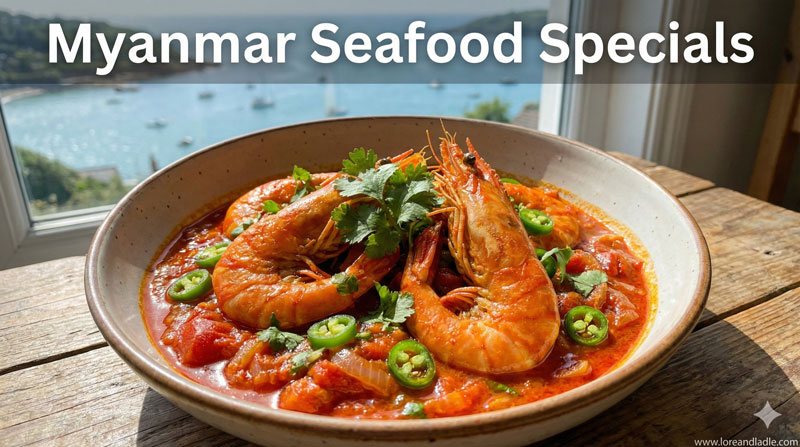
In this dish, color comes from a lively mix of herbs and citrus. The aroma blends sea-salt freshness with lemony brightness and a hint of spice. On the palate, you’ll notice the delicate sweetness of the seafood, the tang of lime, and a gentle sea-salty note from the finishing sauce. The textures range from soft, tender fish to crisp vegetables or greens, delivering a satisfying contrast in every bite. The overall experience is a reminder of how coastal markets connect farms, fishermen, and kitchens through scent, color, and flavor.
Pairings, Serving Traditions, and Table Etiquette
- Rice as a canvas: jasmine or short-grain rice is a natural, fragrant accompaniment that soaks up the sauce.
- Green sides: a quick cucumber-titness salad or a small plate of fresh herbs enhances freshness.
- Beverages: light green tea or a citrus-infused water complements the dish without overpowering it.
- Table sharing: in a home setting, guests may gather around a central platter or individual portions, choosing herbs to add as they prefer. This practice echoes a culture of hospitality, where everyone contributes to the final flavor by personalizing their plate.
Regional Variations and Local Touches
Coastal Myanmar offers a spectrum of seafood preparations. In some regions, coconut milk creates a silkier sauce, while in others, a clear, zesty broth emphasizes brightness. Different herbs may be used more prominently, and the choice of seafood can reflect local catches. Across regions, the core idea remains the same: let the ocean’s gifts meet simple, clean seasonings to honor the ingredients. This adaptability showcases how a shared dish can hold many faces while staying true to its roots.
Preservation of Culinary Traditions at Home
Cooking this dish at home encourages continuity of taste and technique. It teaches patience with seafood, respect for fresh ingredients, and an appreciation for balance in seasoning. By practicing these steps, Home Cooks help preserve the subtle artistry of Myanmar seafood beyond markets and restaurants. The result is not just a meal, but a personal link to a living culinary tradition.
Tips for Success and Learning More
- Start with fresh, local seafood for the most vibrant flavor.
- Taste progressively: adjust lime, salt, and heat in small increments.
- Practice knife skills for the aromatics; even tiny improvements in chopping can heighten aroma.
- Observe how the sauce thickens; a light glaze often feels more elegant and highlights seafood rather than overpowering it.
- Explore regional variants by trying different herbs or small ingredient swaps; the dish invites experimentation within a respectful frame.
Final Thoughts: A Warm Invitation to Explore
The Beginner’s Roadmap to Cooking Myanmar Seafood Specials at Home is more than a recipe; it is a doorway to a culture that cherishes sea-to-table generosity, shared meals, and careful seasoning. By practicing the steps outlined here, you enter a tradition that values freshness, balance, and hospitality. Embrace the process, savor the aromas, and celebrate the beauty of Myanmar seafood in your own kitchen. If you try it, you might find that each bite carries a moment of coastal calm and culinary craftsmanship, inviting you to return and refine your own home style.