
Introduction
Slow-Cooked Myanmar Rice & Noodle Bowls in the U.S. for Deep, Rich Flavor invites readers to savor a dish that blends Burmese cooking with the joys of home kitchens. This bowl celebrates texture, aroma, and balance. It brings together soft rice, silky noodles, and a broth that carries warmth. The result is a comforting meal that feels both generous and refined. In the U.S. kitchen, the dish becomes a living conversation between tradition and adaptation, always inviting for a family table or a shared meal with friends.
A Harmony of Rice and Noodles
In Burmese food, rice is a daily anchor and noodles appear in soulful soups and bright salads. This dish unites both elements in one nourishing bowl. Slow cooking lets the aromatics bloom gently. The rice absorbs the broth’s warmth, while the noodles offer a tender counterpoint. This pairing showcases how Burmese cooks blend simplicity with depth, turning everyday staples into something special. The overall effect is a bowl that feels complete, balanced, and inviting.
Slow Cooking as a Cultural Skill
Slow cooking is a valued technique in many kitchens, and Burmese-inspired bowls benefit greatly from patience. Start with onions, garlic, and ginger to form a fragrant base. Add turmeric, pepper, and a splash of salt to bloom their colors and aromas. Then pour in stock or water and a touch of coconut milk or peanut paste for richness. The long simmering allows layers of flavor to merge. The result is a broth that tastes timeless. This method honors a thoughtful pace in cooking, turning humble ingredients into a refined, deeply flavored meal.
The Bowl as a Social Surface
The serving philosophy is simple: a beautiful bowl invites sharing. In every bite, you encounter warm broth, soft grains, and tender noodles. Toppings invite customization and conversation. Fresh herbs, lime wedges, crushed peanuts, chili, and a drizzle of oil provide brightness and contrast. The act of gathering around a single bowl or a small stack of bowls makes the meal feel communal and welcoming. The bowl becomes a stage for personal preference and hospitality.
Flavor Palette and Balance
The flavor profile centers on four flavors: salty, sour, sweet, and umami. Fish sauce or a plant-based alternative adds depth and savoriness. Lime juice or a touch of tamarind provides bright acidity. Palm sugar or another natural sweetener adds a gentle warmth. A pinch of chili or fresh peppers offers warmth without overpowering. This balance mirrors Burmese culinary sensibilities, where harmony is prized and each component supports the others. The result is a dish that tastes rich and lively in every spoonful.
Regional Inspirations Within Burma and in U.S. Kitchens
Burmese cuisine varies by region, and home cooks in the U.S. adapt with local ingredients. Gentle substitutions keep the spirit of the dish intact. For protein, chicken, tofu, or mushrooms work beautifully. Fresh herbs like cilantro and Thai basil deliver a fragrant lift. Vegetables such as thinly sliced cabbage, bean sprouts, or leafy greens add crunch and color. In the U.S. pantry, accessible items like lime, garlic, shallots, and peanut garnish the bowl with bright notes. These adaptations honor the dish’s core identity while embracing the convenience and availability of local markets.
Cultural Value and Hospitality
This dish embodies hospitality and mindful eating. A well-crafted bowl welcomes people to pause, breathe, and enjoy. The slow-cooked broth carries a sense of care and attention, a reflection of generous hosting. The combination of rice and noodles in one dish offers versatility for different appetites and occasions. Sharing bowls like this fosters connection, conversation, and a shared experience of flavors. In this way, the dish contributes to a welcoming culture of food where tradition and everyday life meet.
In the U.S. Home Kitchen
In American homes, this bowl adapts to busy schedules without losing depth. Begin with a flavorful base of aromatics. Add spices and simmer slowly to deepen the character. Prepare rice and noodles so they are ready to combine with the hot broth. Then arrange toppings that suit personal tastes. The result is a flexible meal that respects Burmese culinary sensibilities while fitting modern routines. Leftovers can reheat gently, and the flavor often improves as it rests.
Practical Steps to Create the Bowl
- Start with a fragrant base: sauté onion, garlic, and ginger until they glow.
- Stir in turmeric and a pinch of pepper for warmth and color.
- Build depth with broth and a dash of coconut milk or peanut paste.
- Let the mixture simmer slowly to blend the flavors fully.
- Prepare rice and noodles separately or in a manner that suits your method.
- Add the hot broth over the rice and noodles, then top with fresh herbs, lime, chili, and nuts.
- Adjust salt and acidity to taste, aiming for a bright, balanced finish.
Texture, Color, and Visual Appeal
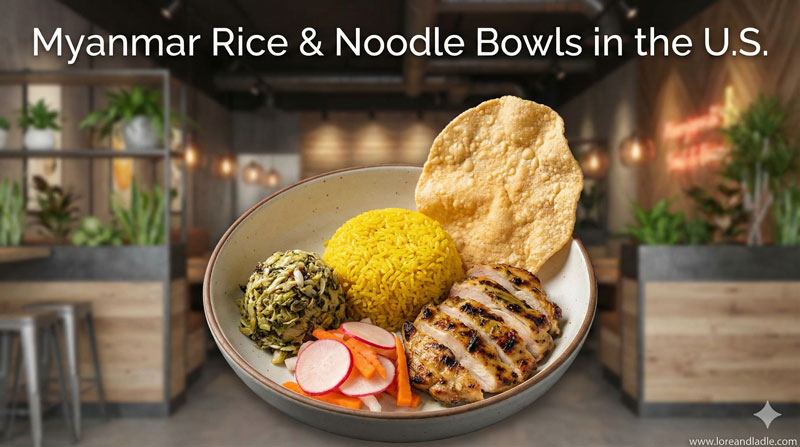
The dish shines in texture. The rice provides a soft, cushiony base. The noodles add smoothness and length. The toppings bring crunch, brightness, and aroma. The broth’s color and the glisten of oils highlight the bowl’s warmth. This visual and textural variety makes each serving comforting and inviting, encouraging diners to slow down and savor.
A Food Culture Highlight
This dish offers more than sustenance. It is a window into Burmese flavor philosophy: layering, balance, and care. It demonstrates how slow cooking can transform humble ingredients into something elegantly rich. It also shows how American kitchens can respectfully adapt a traditional approach, keeping the essence while inviting new textures and ingredients. In this way, the Slow-Cooked Myanmar Rice & Noodle Bowls become a respectful bridge between cultures through taste and technique.
Final Thoughts
Slow-Cooked Myanmar Rice & Noodle Bowls in the U.S. for Deep, Rich Flavor stand as a celebration of culinary craft and cultural value. They honor Burmese traditions of hospitality, balance, and patience, while welcoming home cooks in the United States to experiment and enjoy. The dish invites curiosity and care, inviting cooks to share a meal that is as nourishing as it is beautiful. In every bowl, you taste a story of flavor, family, and the joy of good food prepared with time and heart.