
Introduction
Flavorful Myanmar Comfort Food Classics Ideas with Simple Spices is more than a meal. It is a window into daily life in Myanmar. The dish celebrates warmth, home cooking, and the way a shared plate brings people together. Its value rests in how it honors fresh, everyday ingredients and the patient craft of a kitchen that welcomes everyone. The dish shows appreciation for Family routines, seasonal markets, and the comforting ritual of preparing food with care. In these flavors, we taste a culture that cherishes nourishment, balance, and hospitality.
The flavor profile and the idea of simplicity
At the heart of this dish are simple spices that build depth with clarity. Turmeric lends a warm glow and gentle earthiness. Garlic and ginger add brightness and bite. Lemongrass offers a citrusy lift, while shallots provide a sweet, mild onion notes. A touch of chili gives gentle heat, balanced by coriander and cumin for rounded aroma. A splash of fish sauce or ngapi adds a savory depth that is unmistakably Burmese. A hint of lime or tamarind can brighten the finish. All of this comes together with palm sugar or a touch of sugar to harmonize sweet and savory. The beauty lies in how a short list of spices, treated with patience, yields a comforting, well-rounded dish. The result is luminous but approachable, perfect for home cooks who value ease and depth alike.
Techniques that carry cultural meaning
The preparation treads a careful line between simplicity and nuance. The dish often begins with a gentle sauté of garlic, onions, and ginger to unlock aroma. Spices are toasted briefly to release their essential oils, then soaked into a soft, simmering base. Fresh herbs may be stirred in toward the end to preserve brightness. The cooking method emphasizes gradual layering: flavors are added in stages, never rushed, so each note remains clear. This approach mirrors a broader mindset in Myanmar kitchens—careful attention, mindful timing, and generosity of texture. Slow simmering yields tender ingredients and a soothing mouthfeel, qualities that make the dish feel like a true comfort.
Regional voices within a shared tradition
Myanmar’s landscapes shape variations in this dish, while the core idea remains constant: “simple spices, big heart.” Coastal regions often feature a touch more fish-based seasoning, producing a slightly briny, seaside nuance. Inland areas might emphasize coconut milk for a creamy smoothness or a brighter citrus finish using lime. Mountain and riverine communities bring subtle differences in herbs and peppers, creating gentle contrasts without losing the comforting essence. Across regions, cooks adapt the same spice family to local ingredients, demonstrating how a single concept can travel and still feel homey and familiar.
Serving as a cultural ritual
This dish shines during everyday meals and warm gatherings alike. It accompanies a table of side dishes, fresh vegetables, and pickles, reinforcing the idea of abundance and sharing. Meals built around this dish often begin with a simple starter, followed by the main pot and a chorus of small bowls for dipping, tidbits, and fresh herbs. The act of serving and passing bowls around the table strengthens social ties and reinforces a sense of belonging. In many homes, preparing this dish is a gesture of care for family and friends, a quiet celebration of everyday life.
Pairings and presentation
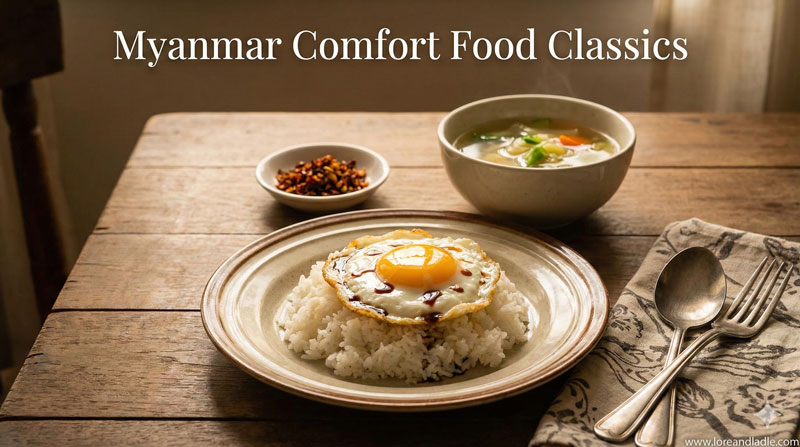
Serve the dish with steamed jasmine rice, the perfect canvas to soak up flavorful sauces. Fresh lime wedges invite a bright finish at the table, while chopped herbs such as cilantro or Thai basil add a clean lift. A side of crisp vegetables or a small pickle can provide a refreshing counterpoint to the warmth of the main dish. A light cucumber salad or an easy tomato salad can balance richness with brightness. When plated, the dish presents as a comforting, golden-burnished bowl, inviting skimmers and spoons to savor every mouthful.
A practical, approachable approach for home cooks
The beauty of Flavorful Myanmar Comfort Food Classics Ideas with Simple Spices lies in accessibility. You can start with a small shopping list and a calm kitchen routine. Begin by sautéing aromatics, toast the spices briefly, then simmer with a simple stock or water. Add a protein or legumes for heartiness, finish with a splash of lime or tamarind, and adjust with salt to taste. The result is a dependable, comforting dish you can adapt to your pantry and schedule. This flexibility makes the dish a staple for weeknights and weekend cooking alike.
Cultural significance in everyday life
The dish embodies a principle that resonates across Myanmar kitchens: nourishment should feel welcoming and achievable. It honors farmers and market vendors who supply fresh produce and spices. It honors home cooks who transform these ingredients into meals that ease the day and uplift the mood. It honors memory and sharing, as recipes travel from stove to stove and from one family to another, preserving a cuisine that is alive, evolving, and deeply human. By celebrating simple spices, the dish reinforces the idea that greatness can arise from everyday ingredients treated with care.
Conclusion
Flavorful Myanmar Comfort Food Classics Ideas with Simple Spices offers a flavorful invitation into a beloved part of Myanmar’s food culture. It highlights how a short list of everyday ingredients, handled with patience and kindness, can produce a dish that feels like a warm embrace. It showcases culinary significance through technique, regional variation, and the rituals of sharing and care that accompany a family meal. Whether you cook for a quiet night at Home or a small gathering with friends, this dish honors the beauty of Myanmar’s food traditions and reminds us of the power of comforting, well-made food. If you’re curious to explore more, start with the spices you already have, open your kitchen windows to fragrant steam, and let the table do the talking.