
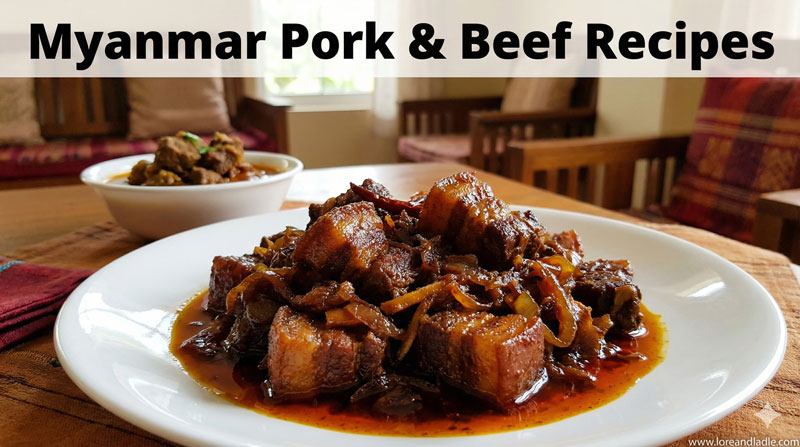
Fun Weekend Cooking Projects with Myanmar Pork & Beef Recipes
This post invites you to explore Myanmar pork and beef dishes through joyful weekend cooking projects. It celebrates culture, craft, and the quiet beauty of home kitchens. The aim is to highlight how these meals connect people, land, and seasonal ingredients.
A Window into Burmese Home Cooking
In many Burmese households, pork and beef appear in everyday meals as well as special weekend treats. The dishes favor balance, using bright herbs, warm spices, and savory sauces. Home Cooks blend fresh produce with simple pantry staples to create comforting, soulful flavors. This is cooking as a daily art, where patience and care transform humble ingredients into memorable meals.
Core Flavors and Techniques
Myanmar cooks layer flavor with purpose. Key notes include turmeric for warmth, garlic and shallots for sweetness and depth, lemongrass for brightness, and chili for gentle heat. Fermented ingredients like ngapi or fish sauce add a tangy undercurrent. Techniques range from quick stir-fries to slow braises and smoky grilling. Each method reveals distinct textures, from tender braised meat to glossy, lacquered finishes on the surface of a charred roast. The result is a tapestry of tastes that feels both rustic and refined.
Weekend Projects to Try
- Beef curry with turmeric and garlic: a hearty, fragrant dish that invites gentle simmering to deepen flavors. Serve with fluffy steamed rice to soak up the sauce.
- Pork stir-fry with lemongrass and shallots: a bright, quick-cook effort that benefits from a hot wok and a crisp finish of greens.
- Char-grilled beef skewers with a tamarind glaze: captures the smoky edge of outdoor cooking and the sweet-sour balance of tamarind.
- Slow-braised pork with tomatoes and ginger: a comforting, unfussy project that yields tender meat and a rich sauce.
- Simple beef or pork with ngapi and greens: a lean, flavorful dish that highlights the savory depth of fermented seasoning.
These projects are designed to be approachable yet rewarding. They encourage tasting and adjusting, so you learn how each ingredient changes the character of the dish.
The Cultural Value of These Dishes
These weekend projects are more than meals; they are acts of cultural appreciation. They invite you to observe how flavors travel from markets to kitchens, and how families pass down practical techniques. The dishes reflect daily life, seasonal availability, and a shared love of savor and hospitality. By cooking together, communities strengthen their sense of place and memory. The process—shopping, preparing, sharing—becomes a small ceremony that honors the land and the people who cultivate it.
Tools, Techniques, and Traditions
A few reliable tools help these recipes shine: a sturdy wok for quick sears, a clay or heavy pot for slow braises, and a grill or grill pan for that elusive smoky edge. Fresh herbs, citrus, and bright pickles accompany the meats, balancing richness with freshness. The traditions here emphasize mindful preparation and respect for ingredients, encouraging cooks to learn by doing and to savor the moment of transformation from raw to plated.
Pairings and Serving Ideas
Pair these dishes with steamed rice or warm flatbreads. Add crisp vegetables, tangy pickles, and a squeeze of lime or a light chili dip to brighten the plate. A pot of fragrant tea or a simple, refreshing beverage completes the meal. These pairings reinforce the sense of a complete Burmese-inspired table that welcomes friends and family.
Final Thoughts
Fun weekend projects with Myanmar pork and beef recipes celebrate food as culture in motion. They honor the land, the markets, and the hands that prepare meals with care. By exploring these dishes, you gain insight into a cuisine that values balance, community, and everyday beauty. May your kitchen become a warm harbor where taste, technique, and tradition meet.