
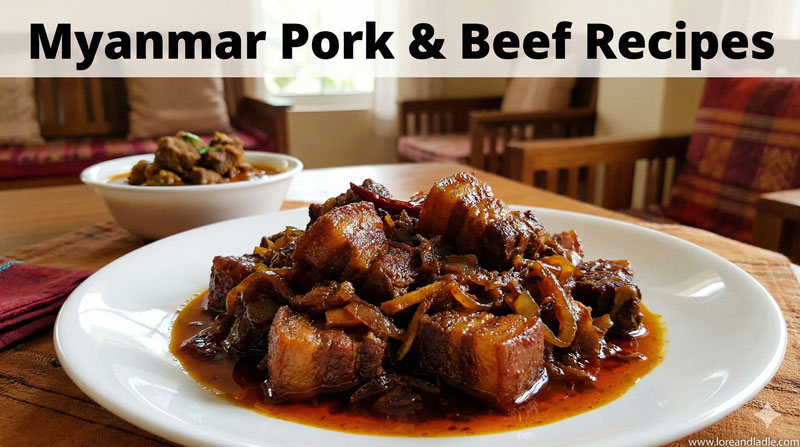
Introducing the concept: How to Build a Full Menu Around Myanmar Pork & Beef Recipes
Myanmar pork and beef are beloved ingredients that weave strength, warmth, and generosity into every meal. Building a full menu around them offers a chance to tell a cohesive culinary story, from the first bite to the last. The idea is simple: choose dishes that share core flavors, textures, and techniques, then arrange them in a rhythm that delights the senses. This approach honors the beauty of Myanmar cooking while inviting Home Cooks and professionals to explore deeply satisfying combinations.
The cultural value of Myanmar pork and beef in daily meals
Meat plays a central role in many Myanmar tables. Pork and beef appear in versatile forms—grilled skewers, slow braises, bright stir-fries, and rich curries. They bring warmth to family gatherings, street-side meals, and celebratory feasts. The dishes are often bright with herbs and tempered by mineral-rich sauces, creating a balance that feels both comforting and refined. When you build a menu around these meats, you honor a tradition that emphasizes sharing, seasonal ingredients, and mindful cooking. The result is a dining experience that feels familiar yet new, inviting guests to explore a land of flavors with patience and curiosity.
The culinary language: flavors, textures, and techniques
Myanmar flavors lean on clarity and harmony. Expect a chorus of sweet, sour, salty, and spicy notes in equilibrium. Aromatics like garlic, shallots, lemongrass, and fresh herbs mingle with savory elements such as fish sauce or fermented pastes. For beef and pork, you’ll often see slow braises that melt connective tissue, quick stir-fries that deliver snap, and smoky grills that highlight a charred finish. Texture plays a leading role: tender meat, crisp vegetables, and creamy or chewy accompaniments create contrast that keeps the palate engaged. In short, the culinary language is approachable, expressive, and deeply tied to fresh ingredients and precise technique.
Core ingredients and techniques that shape the menu
- Meats: pork and beef as stars, supported by fresh bones for broth, and a few pantry staples.
- Aromatics: garlic, shallots, ginger, lemongrass, and cilantro roots bring brightness.
- Seasonings: fish sauce, fermented pastes, turmeric, chili, cumin, coriander, and lime balance savoriness with sunshine.
- Techniques: marinating, grilling over charcoal, pan-searing, braising, and simmering curries.
- Accompaniments: pickles, herb salads, crisp vegetables, and steamed or sticky rice anchor the plates.
- Sauces and condiments: tangy dips, chili oil, and citrusy dressings provide lift.
Together, these elements create a menu that travels from smoke to soup, from bite to bite.
Menu architecture: starter, main, sides, and beverages
- Starters: bright bites that tease the palate without overwhelming the senses. Think small skewers, herb-packed salads, or light dumplings that showcase pork or beef.
- Mains: deeply flavored curries and grilled dishes. Slow braises offer richness, while quick wok skills deliver vibrancy.
- Sides and accompaniments: pickles, herbal relishes, greens, and grains that absorb and complement the meat.
- Beverages: refreshing teas, citrusy drinks, and subtly sweet beverages pair well with spice and fat.
- Desserts or fruit courses: a light, clean finish can round out the meal without competing with bold flavors.
Regional echoes and seasonal variations
Myanmar’s diverse landscapes invite subtle regional touches. In river valleys, lighter curries mingle with fresh herbs and citrus. In highland markets, you may encounter roasted spices and heartier sauces. Seasonal produce influences the color and texture of the menu, from bright greens in the monsoon season to richer roots in cooler months. By listening to local markets and adjusting herbs and vegetables, you can keep the menu authentic and vibrant year-round.
Practical steps for planning your Myanmar pork & beef menu
- Define the journey: decide the story you want through flavors, textures, and pacing.
- Balance courses: pair tender braises with crisp starters and bright sides.
- Map the flavors: ensure a thread of seasoning, acidity, and freshness runs through all courses.
- Plan the timing: align marinating, cooking, and plating so the meal feels seamless.
- Source thoughtfully: choose quality cuts and fresh herbs to emphasize natural flavors.
- Test and refine: adjust seasoning gently, then retaste with friends to refine balance.
A sample menu to guide your planning
- Starter: Grilled pork skewers with a bright lime-chili dip and a fresh herb salad.
- Soup or light course: Clear beef broth with tender beef strands, fragrant with lemongrass and cilantro.
- Main: Slow-braised beef curry enriched with potatoes and turmeric, served with steamed jasmine or sticky rice.
- Side: Pickled vegetables and a cucumber-mud salad to provide crunch and acidity.
- Dessert or fruit course: Coconut jelly or sliced tropical fruit with a light drizzle of lime.
- Beverage: Aromatic jasmine tea or a cooling lime-ginger cooler.
This approach shows how Myanmar pork and beef can anchor a complete, respectful, and delicious menu. By focusing on flavor harmony, textures, and the joy of sharing, you create a dining experience that feels both timeless and refreshingly contemporary. Enjoy the process, and let the ingredients tell their own beautiful story.