
Introduction
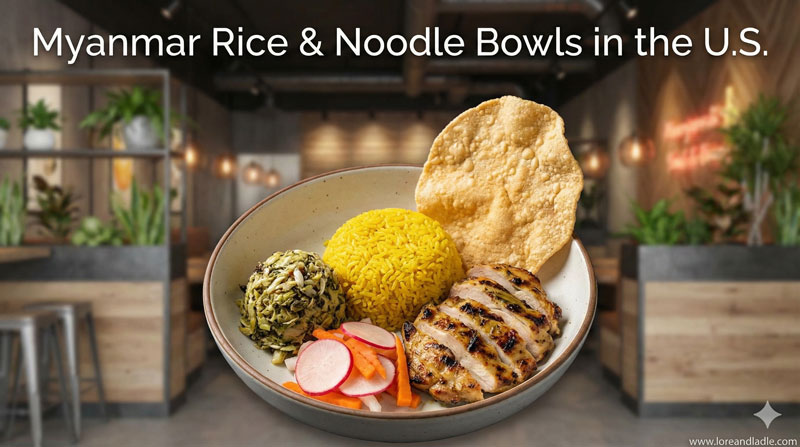
Today, we explore the dish “Best Myanmar Rice & Noodle Bowls in the U.S. for Sharing with Friends” and the rich cultural value it carries. This meal invites people to gather, enjoy a bowl, and celebrate shared flavors. The bowls blend simplicity with depth, offering a welcoming entrance to Burmese culinary craft. With bright herbs, comforting rice or noodles, and a balanced sauce, they become memories in every bite. The focus here is on culture through food and on how a single bowl can spark conversations and smiles.
The core idea of Myanmar rice and noodle bowls
Myanmar rice and noodle bowls center on balance. They pair soft grains or silky noodles with a flavorful base, add protein, and finish with fresh toppings. The goal is harmony: a warm, comforting core surrounded by lively textures and aromas. These bowls honor teamwork at the table—each person adds a little of this, a splash of that, creating a shared plate that feels welcoming and generous. In this way, the dish becomes more than sustenance; it becomes an everyday ritual of togetherness.
Flavor, texture, and technique
The beauty of these bowls lies in how layers meet. A savory sauce or curry forms the heart, often enriched with fish sauce or fermented paste for depth. Fresh herbs—mint, cilantro, and basil—bring brightness, while lime or tamarind provides a bright kiss of acidity. Crunch comes from fried onions, roasted peanuts, or sesame seeds, and a soft base of rice or rice noodles anchors every bite. The technique is gentle: simmer the sauce to bloom its spice, cook the rice just until fluffy, and heat the noodles briefly so they carry flavor without losing their structure. The result is a bowl that sings with contrast and balance.
Core ingredients and their roles
- Protein: chicken, beef, fish, or tofu, all prepared to stay tender and juicy.
- Base: steamed jasmine rice or smooth rice noodles.
- Sauce: a medium-thick curry or broth with aromatics like garlic, ginger, and turmeric.
- Aromatics: ngapi (fermented fish paste) in small, careful amounts for depth; lime zest or juice for brightness.
- Herbs and crunch: cilantro, mint, cucumber, roasted peanuts, and fried shallots.
- Texture touch: a drizzle of chili oil or fresh chili slices for warmth.
These elements work together to create a bowl that is comforting yet vibrant, familiar yet full of discovery. The result is a dish that travels well across homes and kitchens, inviting experimentation while preserving the core essence of Burmese flavors.
Sharing and hospitality at the table
Sharing is the heart of these bowls. When friends gather, a pot of rice or a tray of noodles becomes a platform for conversation and laughter. Setting out a few bowls with diverse toppings and a couple of protein options invites everyone to customize their plate. This generosity of choice mirrors cultural values of warmth and welcome. Quick tips for hosting:
– Offer two protein options to start—one light, one rich—to accommodate different tastes.
– Provide a selection of toppings: herbs, peanuts, fried onions, and lime wedges.
– Keep sauces on the side so guests control the level of salt and heat.
– Create a short guide card with simple pairing ideas to spark conversation.
Regional voices in the U.S.: adaptation with care
Across the United States, these bowls are celebrated in many neighborhoods. Chefs adapt ingredients to local markets, while preserving the essential Burmese flavor profile. Fresh herbs grow readily in community gardens and farmers markets, making it easy to accent bowls with bright greens and citrus. In homes, families blend traditional recipes with personal favorites, creating comforting, modern interpretations that still honor the dish’s roots. This versatility helps the bowls remain inviting and easy to share in casual gatherings or more formal dinners.
Pairings and serving ideas
- Beverage: a lightly sweet iced tea or a sparkling lime drink complements the bowls without overpowering the flavors.
- Sides: a simple cucumber salad with sesame seeds provides cool contrast.
- Desserts: light fruit-based desserts—like mango slices or citrus-forward fruit cups—finish the meal cleanly.
- Presentation: serve the bowls in shallow bowls so diners see the colors, layers, and textures at a glance. A sprinkle of fresh herbs completes the plate aesthetically and aromatically.
Conclusion
The Best Myanmar Rice & Noodle Bowls in the U.S. for Sharing with Friends celebrate harmony, craft, and community. They teach us that a well-prepared bowl can bridge moments and bring people together through flavor and care. By honoring traditional techniques while welcoming personal twists, these bowls become living, delicious portraits of Burmese culinary art. Whether you cook at Home or enjoy a curated bowl at a local spot, you’ll discover how food can be a warm invitation to friendship, conversation, and simple, satisfying pleasure.