
Introduction
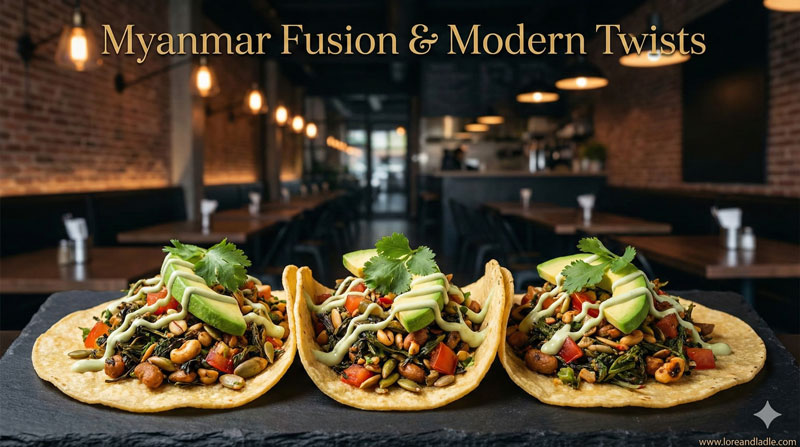
This post invites you to discover a dish that celebrates Burmese flavors through approachable, everyday groceries. Simple Myanmar Fusion & Modern Twists with Grocery Store Ingredients shows how traditional taste profiles can shine in a contemporary kitchen. The goal is to honor the beauty of Burmese cuisine while making it easy to recreate at Home. You will find a thoughtful blend of textures, aromas, and color that speaks to shared meals and everyday creativity.
About the Dish
At its heart, this dish blends time-honored Burmese elements with modern, grocery-store convenience. It uses familiar ingredients that are easy to find, yet it preserves the spirit of Myanmar’s cuisine: lively balance, bright acidity, and a comforting warmth. The fusion aspect is a celebration of creativity—an invitation to remix, not replace. By combining traditional flavor cues with accessible pantry items, the dish becomes a bridge between home cooking and the broader world of Southeast Asian flavors.
Core Flavors and Techniques
Myanmar cuisine often emphasizes a bright, balanced palate. This dish leans into five key ideas:
– Fresh aromatics: garlic, shallots, chilies, and citrus lift the dish with clarity.
– Umami foundations: a touch of fish sauce or soy sauce anchors the savoriness.
– Bright acidity: lime or lemon juice and a hint of vinegar provide zing.
– Nutty depth: roasted peanuts or sesame seeds add texture and warmth.
– Herbaceous lift: leafy greens, cilantro, and mint give a clean, fragrant finish.
Techniques center on simplicity and contrast. A quick stir-fry or toss with a hot dressing can bloom flavors rapidly. Toasting nuts lightly enhances their aroma. A light pickling or quick marination adds tang without overpowering the dish. The result is a vibrant plate that feels both comfortingly familiar and pleasantly new.
Cultural Value and Culinary Significance
This dish highlights how Burmese food thrives on balance. The ideas of sweet, sour, salty, and spicy come together in a way that mirrors daily life: simple ingredients, thoughtful preparation, and shared moments around a table. The approach respects tradition while inviting personal interpretation, making it meaningful for cooks at every skill level.
Community and family are central to Burmese eating moments. Even in a modern kitchen, the emphasis on fresh produce, careful seasoning, and mindful plating echoes the way meals are prepared for gatherings, markets, and celebrations. By focusing on easy-to-find ingredients, this dish preserves that sense of accessibility—people can connect with a rich culinary heritage without special trips or hard-to-find items. In this way, the dish serves as a cultural thread: it demonstrates how a cuisine can stay alive and joyful when it welcomes everyday ingredients and modern twists.
This recipe also reflects regional influences that travel without leaving home. Burmese flavors often mingle with neighboring techniques and tastes, creating a tapestry that many Home Cooks can recognize and enjoy. The fusion idea here is not novelty for its own sake; it is a respectful evolution that keeps the heart of the cuisine intact while making room for personal expression.
Ingredient Spotlight: Everyday Grocery Finds
- Protein: chicken, shrimp, or tofu for flexible protein options.
- Grains and noodles: rice noodles, vermicelli, or cooked rice as a comforting base.
- Vegetables: cabbage, carrots, bell peppers, cucumbers, scallions, and fresh herbs (cilantro, mint) for brightness and crunch.
- Aromatics and heat: garlic, shallots, fresh chilies, lime or lemon zest and juice.
- Sauces and seasonings: fish sauce or light soy sauce, a touch of sesame oil, and a dash of sugar to round the flavors.
- Nuts and seeds: roasted peanuts or cashews, sesame seeds for texture.
- Optional flavor boosters: a small amount of fermented shrimp paste or a spoon of chili paste if you enjoy extra depth.
This lineup demonstrates how a satisfying Burmese-inspired dish can come together with ingredients commonly found at most grocery stores. Each component adds a layer of texture or brightness, supporting a cohesive, modern plate.
How to Prepare: A Quick Guide
- Prep with purpose: slice vegetables thinly, chop herbs, and measure sauces so the cooking flow is smooth.
- Build flavor: start with a hot pan, a touch of oil, and aromatics. Cook briefly to release fragrance.
- Add protein: push to the side, cook until just done, then return to the pan.
- Finish with brightness: stir in herbs, a squeeze of lime, and a splash of sauce. Toss quickly to keep texture.
- Plate with care: lay a bed of grains or noodles, top with the mixture, and sprinkle peanuts or seeds for crunch.
- Adjust to taste: a pinch more salt, a dash of lime, or a hint of sweetness can tailor the dish to your palate.
This approach keeps the process approachable while preserving the integrity of Burmese flavors. The steps are designed to be clear and repeatable, so you can explore variations confidently.
Serving Ideas and Pairings
- Serve as a main with a crisp cucumber salad on the side for texture contrast.
- Pair with a light, herbal tea or a sparkling beverage to lift the brightness of citrus and herbs.
- Add a dollop of yogurt or a yogurt-based sauce if you enjoy a cool counterpoint to heat.
- Present with a simple garnish: extra chopped cilantro, crushed peanuts, and a few strands of lime zest for color and aroma.
This dish shines when presented with care and simple accompaniments that echo its fresh, vibrant character. The serving style invites conversation and shared tasting, enhancing the cultural value of Myanmar-inspired cooking.
Final Thoughts
Simple Myanmar Fusion & Modern Twists with Grocery Store Ingredients embodies a welcoming idea: that a rich culinary tradition can thrive in everyday kitchens. By focusing on core flavors, accessible ingredients, and thoughtful technique, the dish becomes more than a recipe. It acts as a celebration of Burmese culinary artistry and its appeal to a broad audience. The result is a plate that feels both rooted and modern, inviting cooks to explore, taste, and share.
If you’re seeking a heartfelt way to honor Burmese flavors while keeping the kitchen approachable, this dish offers a bright pathway. It stands as a testament to how culture can be savored through simple choices, careful balance, and the joy of cooking with ingredients you can find today.