
Hook
On a sunny afternoon, a kitchen in the United States fills with laughter and the clink of glassware as Best Halo-Halo Recipes for U.S. home cooks for sharing Filipino flavors comes to life. A scoop of shaved ice meets a rainbow of toppings, and a family playfully debates which ingredient steals the show. The dish invites curiosity and comfort at once, turning everyday moments into a small celebration of color, scent, and memory.
Jump to Recipe
Best Halo-Halo Recipes for U.S. home cooks for sharing Filipino flavors is designed to feel approachable. A quick overview: you can customize flavors and textures with a mix of milks, sugars, and toppings; common components include shaved ice, creamy milk, and a vibrant assortment of fruits and sweets. The result is a tall, inviting dessert that tastes like a festival in a glass. Core idea, easy substitutions, and a flexible approach—that is the essence of Best Halo-Halo Recipes for U.S. home cooks for sharing Filipino flavors.
The Deep Dive
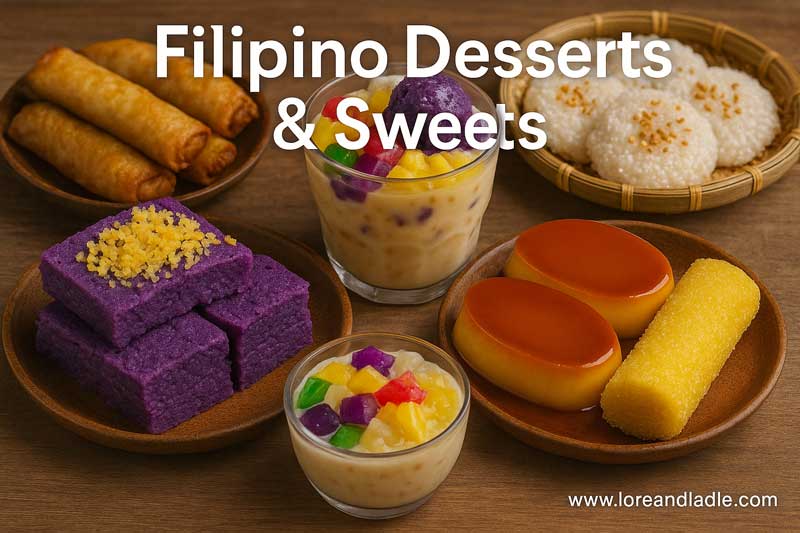
Halo-halo is more than a dessert; it is a daily joy that gathers family and friends around a shared cup. The name itself hints at its many parts—halo-halo means “mix-mix,” which captures the spirit of enjoying the dish with each bite. The texture is a signature blend: cool, creamy milk, soft ribbons of ube, chewy jellies, and crisp bits of ice that melt into sweet richness. Colors come from the ingredients: purple from ube halaya, golden from ripe fruits, pale from condensed milk, and clear from jelly. The flavors balance milky sweetness with fruit and caramel notes, while the toppings provide bursts of flavor and texture—creamy, chewy, chewy-crunch, and fresh fruit all in one mouthful.
In daily life, Best Halo-Halo Recipes for U.S. home cooks for sharing Filipino flavors appears in many settings. It shines on hot days, after a long week, or as a treat after a family meal. It adapts to what’s on hand in a home pantry: canned fruits, fresh jackfruit, sweet beans, and various jellies can all find their place. People enjoy halo-halo not only for its taste but for the sense of ritual—assembling a glass, letting each component rest beside the ice, and sharing the moment as toppings are added. The dish welcomes creativity while keeping a core identity: a refreshing, multi-textured treat that highlights the beauty of contrasts in flavor and texture.
Key characteristics of Best Halo-Halo Recipes for U.S. home cooks for sharing Filipino flavors include a chorus of textures (crunch from toppings, creaminess from milk, chew from jellies, and softness from milky components), a palette of sweet and nutty notes, and a colorful presentation that invites lingering at the table. It is a versatile dish that honors simple ingredients and turns them into something festive. People may enjoy it with family stories, music in the background, or a quiet moment of thoughtful savoring. The tradition emphasizes sharing, warmth, and small joys that translate well to a home kitchen in the United States, inviting cooks to explore Filipino flavors without pressure.
In practice, cooks blend personal favorites with classic elements. Common ingredients bring familiar comfort—shaved ice, evaporated milk, condensed milk, and a sweet base like ube halaya. Toppings often include leche flan cubes, kawa or langka, tubers like sweet potato, colorful gulaman, and coconut strings. The result is a dish that feels both intimate and celebratory, suitable for casual weeknights and special gatherings alike.
Best Halo-Halo Recipes for U.S. home cooks for sharing Filipino flavors encourages flexible ideas: you might pair creamy bases with fruit accents, or try new textures like pandan jelly or real coconut cream for a lighter finish. The key is balance and joy—ice and milk to carry flavor, and a constellation of toppings to provide surprise in every bite.
The Recipe Card
Core ingredients:
– Shaved ice or finely crushed ice
– Evaporated milk and sweetened condensed milk
– Ube halaya (purple yam jam) or a similar creamy purple element
– Leche flan cubes or a dairy-based custard component
– Langka (jackfruit) or other tropical fruits
– Sweetened beans or mung beans (optional)
– Gulaman or gelatin-based jellies
– Macapuno strands or shredded coconut
– Fresh fruit slices (such as banana or mango) for brightness
– Pinipig or crushed rice crackers for crunch (optional)
High-level method:
– Assemble a glass with a mix of the toppings to provide a spectrum of textures and colors. Add shaved ice, then drizzle evaporated milk and condensed milk to taste. Serve with a spoon and allow each person to mix and savor the layered flavors as they wish. The approach highlights flexibility, accessibility, and the joy of sharing Best Halo-Halo Recipes for U.S. home cooks for sharing Filipino flavors in a home kitchen.