
Introducing the Crowd-Pleasing Myanmar Restaurant Favorites for Potlucks and Parties
This post introduces a thoughtfully curated dish concept: Crowd-Pleasing Myanmar Restaurant Favorites in the U.S. for Potlucks and Parties. It highlights the cultural value and culinary significance of Burmese flavors when shared among friends and family. The goal is to celebrate how Burmese-inspired dishes lend energy, color, and soul to any gathering. Each dish in this lineup is chosen for its ability to travel well, to sit beautifully on a table, and to invite conversation about textures, aromas, and balance. Readers will discover why these dishes feel warm, welcoming, and distinctly Burmese, even when enjoyed far from the restaurant setting.
The Flavor Philosophy Behind Burmese Crowd-Pleasers
Burmese cooking centers on balance. Sweet, sour, salty, and savory notes mingle with fresh herbs and bright citrus. Aromatics like garlic, shallots, lemongrass, ginger, and kaffir lime leaf lift every bite. Fermented elements, such as tea leaves in Lahpet, add depth and a gentle tang. Coconuts and fish sauce create rounds of creaminess and umami. The result is comforting yet vibrant, with textures that play off each other—crunch, chew, and melt-in-your-mouth softness. For potlucks, these recipes translate into shared platters, layered toppings, and components you can assemble at the table. The cultural value lies in gathering, passing bowls, and savoring a spectrum of Burmese flavors in one meal. With simple, clear steps and bold seasoning, these dishes become accessible introductions to Myanmar’s culinary landscape.
Lahpet Thoke: Tea Leaf Salad, a Colorful Starter
Lahpet Thoke is a striking, crunchy salad that instantly draws the eye. Pickled tea leaves provide a savory, tangy backbone. A chorus of toasted sesame seeds, roasted peanuts, shredded cabbage, garlic oil, and fresh lime wedges adds brightness and texture. The dish embodies sharing: a large platter that invites guests to scoop and mix. In Burmese dining, Lahpet often signals hospitality and celebration. For a potluck, its bold but balanced flavors shine without heavy cooking. It pairs well with both steamed rice and lighter noodle dishes. Serving tips: offer lime wedges and fried garlic as optional toppings so each guest can customize. This dish sets a festive, communal tone from the first bite.
Nan Gyi Thoke: The Rich Noodle Salad
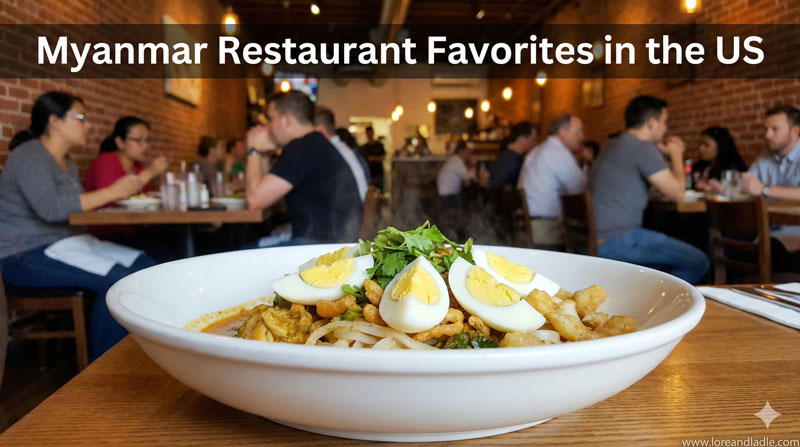
Nan Gyi Thoke is a thick rice noodle salad crowned with chicken curry, hard-boiled egg slices, onions, and a drizzle of chili oil. The noodle base stays firm, holding up nicely on a crowded table. The curry sauce adds a creamy, savory depth that keeps the dish cohesive when served in a shared bowl. The result is a satisfying main offering that’s easy to portion and share. In a party setting, you can arrange toppings in small bowls for guests to customize. The dish’s visual appeal, with yellow curry, white noodles, and red chili oil, invites conversation about regional flavors and technique. Its comforting, hearty nature makes it a favorite at gatherings.
Khow Suey: Myanmar-Influenced Coconut Noodle Curry
Khow Suey presents a fragrant coconut curry with tender meat or vegetables, served alongside soft noodles and a spread of garnishes—lime, onions, cilantro, chili, and crispy fried onions. The format encourages guests to build their own bowls, which is ideal for a potluck spread. The creaminess from coconut milk pairs beautifully with bright herbs and a citrus zing. Khow Suey embodies the Burmese love of layering flavors and textures. Present it in a central warming pot or in shallow bowls, with garnish trays arranged for easy reach. The dish radiates warmth and inclusivity, making it a true party centerpiece.
Ohn No Khao Swè: Coconut Chicken Noodle Soup for Comfort
Ohn No Khao Swè is a silky coconut chicken noodle soup. A fragrant broth, tender chicken, and soft noodles create a soothing, comforting option. Additions like peanut garnishes, lime, and chili oil give guests a chance to adjust the heat and brightness to their liking. In a potluck, soups present a challenge, but this one travels well in a slow cooker or insulated container. It offers a gentle counterpoint to richer dishes and provides a sense of Home in a single bowl. The cultural value lies in its nourishing nature and the ease with which it welcomes newcomers to Burmese flavors.
Mohinga: The Heart of Burmese Comfort in a Bowl
Mohinga is widely cherished as a comforting, everyday favorite. A fragrant fish broth with lemongrass, garlic, and a hint of turmeric meets rice vermicelli or thinner noodles. Crisp shallots, cilantro, and lime round out the dish. Mohinga is beloved for its approachable, forgiving nature; cooks can adjust the fishiness, spice level, and thickness of the broth to suit the crowd. For a U.S.-based potluck, Mohinga can be offered as bowls with a set of toppings on the side. Its aroma invites guests to linger at the table and learn about Burmese Home Cooking through aroma and texture.
Tips for Presenting at Potlucks
- Prepare components in advance and assemble at the table.
- Use large platters for Lahpet Thoke and Nan Gyi Thoke to create visual impact.
- Offer a simple labeling system: dish name, major ingredients, and spice level.
- Include fresh herbs and bright wedges of lime or lemon for a final lift.
- Keep coconut-based curries warm in a slow cooker or insulated pot to maintain creaminess.
- Provide utensils and napkins close to each dish to encourage sharing and easy serving.
- Arrange a short note about the cultural context of each dish to invite curiosity and appreciation.
The Cultural Value of Sharing Burmese Flavors
Sharing these Myanmar-inspired favorites emphasizes hospitality and community. The act of passing platters, pouring broths, and offering garnishes mirrors everyday Burmese dining: meals are a time to connect, reflect, and celebrate together. The dishes showcase a spectrum of textures—from crisp tea leaves to silky soup broth—and a balance of flavors that feels joyful and inviting. In the U.S. setting, these crowd-pleasing dishes become bridges: they introduce Burmese culinary techniques, highlight fresh ingredients, and invite guests to participate in building their plates. The result is a tasting experience that feels both authentic and universally welcoming.
Final Thoughts: Welcome, Share, Savor
Crowd-Pleasing Myanmar Restaurant Favorites in the U.S. for Potlucks and Parties offers more than a menu. It presents a way to gather around food with curiosity, appreciation, and warmth. Each dish brings its own texture, aroma, and story, while together they form a vibrant mosaic of Burmese flavors. Whether you are hosting a small gathering or a larger celebration, these dishes provide accessible entry points into Myanmar’s rich food culture. They empower hosts to present a table that speaks to comfort, color, and community—one delicious bite at a time.