
Introducing the Best Classic Taiwanese Main Dishes for Your Next At-Home Feast
In this post, we explore the collection titled Best Classic Taiwanese Main Dishes for Your Next At-Home Feast. The focus is on cultural value and culinary significance. These dishes live at the heart of Taiwan’s family kitchens and bustling markets. They turn everyday ingredients into meals that feel like a celebration. Each dish carries a careful balance of aroma, texture, and warmth that invites sharing.
Why these dishes matter in Taiwanese food culture
Taiwanese cuisine thrives on harmony. Sour, sweet, salty, and savory notes mingle in each bite. Techniques are passed down with quiet pride, and little changes reflect a home cook’s touch. These main dishes show how simple pantry staples can become the centerpiece of a table. They honor seasonal produce, regional flavors, and the skill of braising, simmering, and frying with restraint. Collectively, they offer a window into how families come together to savor nourishment and joy.
Lu Rou Fan: Braised Pork Over Rice
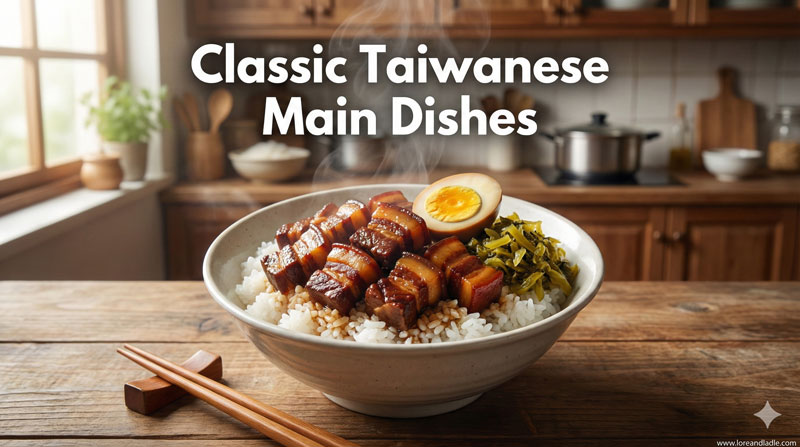
Lu rou fan is a cozy staple that many households reach for after a long day. Tender pork simmers in a glossy sauce of soy, sugar, and spices until the meat glazes itself onto each grain of rice. The aroma fills the kitchen and signals warmth and comfort. The dish teaches balance: savory depth meets gentle sweetness, all wrapped in the quiet starch of rice. In homes, a pot of lu rou fan often becomes a daily ritual, showing how patience and technique create lasting flavor.
Beef Noodle Soup: A Deep, Hearty Classic
Beef noodle soup blends slow braising with bright aromatics and tender noodles. The broth grows richer as bones, onions, and spices simmer into a clear, nourishing soup. Slices of beef bring a hearty bite, while greens add freshness. This dish is a celebration of aroma and texture, inviting diners to savor each slurp and chew. Culturally, it stands as a unifying favorite at family meals, casual lunches, and special gatherings alike. The preparation rewards careful layering of seasonings and confidence in simmering time.
Three-Cup Chicken: Simplicity with Depth
Three-Cup Chicken showcases the beauty of simplicity. It relies on a balanced trio of soy sauce, rice wine, and sesame oil, with garlic and ginger for warmth. The chicken braises gently, absorbing fragrant notes until the meat remains succulent and glossy. A handful of fresh basil or scallions brightens the dish at the end. The result is a dish that feels both rustic and refined, proving that restraint and timing can produce remarkable depth. This dish is a favorite for home cooks who enjoy clear, vibrant flavors with an approachable method.
Oyster Omelette: Texture, Sea, and Sunshine
The oyster omelette is a textural treasure. A delicate batter yields a crisp-edged exterior while the interior stays juicy and chewy. Oysters lend a briny sparkle that complements the soft egg and starch. The dish balances sea-salt brightness with a touch of sweetness from the batter and light sauce. It’s a staple at markets and home tables alike, celebrated for its lively mouthfeel and comforting presence. Each bite offers a bright contrast that brightens the meal and evokes shared street-side memories translated into a home kitchen.
Sweet and Sour Pork: Bright, Homey Comfort
Sweet and sour pork brings a joyful, colorful touch to the table. Pork pieces fry to a crisp-tender finish, then glaze in a glossy sauce with pineapple, peppers, and a tangy-sweet balance. The result is lively and comforting in equal measure. This dish demonstrates how Taiwan’s culinary scene embraces familiar flavors with a playful twist. It remains a dependable centerpiece for gatherings, inviting conversation and laughter as the sauce clings to every bite.
Bringing these flavors home: tips for your at-home feast
- Plan a balanced menu: offer one braised dish, one noodle or soup, one-cook ingredient, and one crispy or bright dish.
- Prepare mis en place: measure soy, rice wine, sesame oil, and spices ahead. Fresh herbs like scallions or basil finish dishes beautifully.
- Use a gentle simmer for braises: patience yields meat that melts on the tongue and a sauce that cling softly to rice.
- Respect texture: aim for crisp edges in fried ingredients and a tender bite in braises.
- Pair with a simple broth or light salad to refresh the palate between rich dishes.
- Create a home dining moment: clear plates, good faith in the cooking, and shared servings strengthen the dining experience.
A cultural thread: sharing the beauty of these dishes
These classic Taiwanese mains have a quiet power. They bring people together through aroma, texture, and familiar stories from the kitchen. They invite home cooks to experiment while honoring tradition. With care, these dishes transform an ordinary meal into a heartfelt feast. In your next at-home gathering, let these flavors guide your menu, your technique, and your enjoyment.
Conclusion
The Best Classic Taiwanese Main Dishes for Your Next At-Home Feast celebrate cultural value and culinary significance in a accessible way. They remind us how a humble kitchen can create meals that feel like a festival of taste and togetherness. Explore these dishes, savor the contrast of textures, and enjoy the quiet artistry of Taiwanese home cooking. Your next feast awaits.