
Introduction: A Weeknight Invitation to Taiwan’s Classic Main Dishes
Taiwanese cuisine shines in the way it brings comfort, balance, and color to everyday meals. The best classic main dishes for Weeknights blend thoughtful technique with fresh ingredients, inviting families to gather around the table. Each dish carries a cultural footprint—of careful braising, precise seasoning, and a shared sense of hospitality. This post highlights five beloved favorites that brighten busy evenings while honoring the roots, textures, and aromas that define Taiwanese cooking. You’ll notice how simple acts of simmering, searing, and layering flavors become a bridge between home kitchens and Taiwan’s vibrant food culture.
Beef Noodle Soup: A Bold, Warming Portrait of Taiwanese Soul
Beef Noodle Soup is more than a meal; it’s a warm ceremony of nourishment. The broth builds slowly, a clear amber that carries beef bones, garlic, ginger, and aromatic spices. Each spoonful invites you to taste patience—the way the meat becomes tender through careful simmering, and the noodles slide smoothly into the bowl. In Taiwan, people often gather over a steaming pot of broth, sharing stories as they lift noodles and broth to their lips. The dish speaks to seasonality as well: sturdy winter menus crave it, while spring and autumn menus highlight the same broth with lighter hand, keeping the balance intact.
Culinary significance comes through the ratio of broth to meat, the texture of the noodles, and the glistening sheen on the surface from rendered fat. The technique—browning the meat first, then braising with soy, star anise, and a touch of sugar—demonstrates the care Taiwan brings to everyday cooking. For weeknights, beef noodle soup is approachable: a pot that yields multiple servings, ready to reheat, with a bright garnish of fresh scallions or a dash of chili oil. It’s a dish that teaches restraint and depth, and it remains a centerpiece at families’ tables, a reminder that simple ingredients can become something universally comforting.
Lu Rou Fan: Braised Pork Rice as a Pillar of Home Cooking
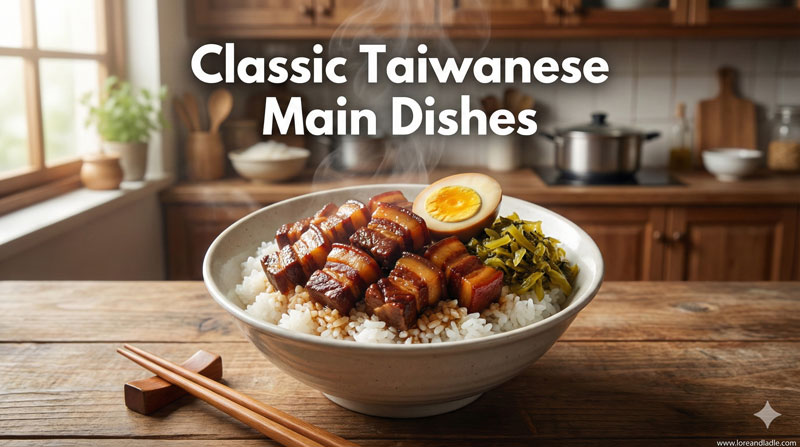
Lu Rou Fan, braised pork over rice, captures a signature harmony of savor and softness. Tender pork belly braises slowly in a glossy sauce of soy, sugar, and the warmth of five-spice, until the meat becomes melt-in-your-mouth rich. The result is shared among bowls of steaming white rice, with a hint of pickled greens to cut the fatty richness. This dish embodies a home kitchen’s patient magic—the slow, careful reduction of flavors until they cling to every grain of rice.
Culturally, Lu Rou Fan is a story of everyday abundance. It reflects how households layer textures and flavors to Make a weeknight feel special. Families often prepare it after a long day by letting the pot simmer gently while other chores are tended. The dish’s popularity speaks to Taiwan’s deep appreciation for braising as a method that transforms affordable cuts into something celebratory. When you savor Lu Rou Fan, you taste not only soy and sugar but also a tradition of careful stewardship of ingredients, a skill passed down through generations, and a ritual of sharing a comforting bowl with loved ones.
Three-Cup Chicken: A Fragrant, Home-Style Classic
Three-Cup Chicken is a fragrant emblem of home cooking. The name refers to the traditional equal measurements used in sesame oil, soy sauce, and cooking wine, though kitchen adaptions vary. The chicken browns with garlic, ginger, and a handful of fresh basil that releases a bright, peppery aroma as the dish finishes. The result is a glossy, lacquered glaze that clings to every piece of meat, delivering a savory-sweet balance that feels both rustic and refined.
This dish stands out for its aroma. The sesame oil creates an inviting warmth that fills the room as soon as the pan is heated. The interplay of savory soy, gentle sweetness, and the herbaceous lift from basil makes each bite feel alive. Three-Cup Chicken embodies why Taiwanese home cooking is so deeply cherished: simple ingredients, precise technique, and a kitchen’s ability to turn everyday dinners into memorable experiences. For weeknights, it’s a reliable favorite that comes together quickly after a busy day, especially when served with plain steamed rice to soak up the flavorful sauce.
Oyster Omelette: A Textural Symphony from Coastline to Table
Oyster Omelette captures the coastal spirit of Taiwan through texture, contrast, and brightness. Plump oysters meet a batter enriched with eggs and a touch of starch, creating a crisp-edged, tender interior. The omelette is finished with a glossy glaze and a peppery, briny bite that echoes the sea. It’s a dish that thrives in night markets yet translates beautifully to a home stove, where the sizzle and steam cue a sense of lively dining.
Culinary significance lies in how oyster omelette celebrates seasonality and regional abundance. The oysters’ brine and the egg’s richness weave a balanced mouthfeel, while the starch contributes a pleasing chew. The dish teaches care in heat control and timing: too much heat makes the edges tough; too little, and the texture loses its charm. Sharing Oyster Omelette on weeknights invites conversation about coastal ingredients and the community’s role in bringing fresh seafood to the table. It is a vivid reminder of Taiwan’s close relationship with the sea and the techniques that make those flavors sing.
Taiwanese Fried Chicken: Crisp, Juicy, and Perfect for Sharing
Taiwanese Fried Chicken is a quintessential weeknight main that doubles as a social centerpiece. Crispy on the outside, juicy inside, this dish often comes from a light, seasoned batter or marination that uses garlic, white pepper, five-spice, and a touch of soy. Two-stage frying—first to set the crust, then a quick finish—creates a texture that stays crisp for longer, making it ideal for a busy evening when the dish might sit on the table a little longer than planned.
Culinary significance centers on technique and communal joy. Fried chicken in Taiwan is not just a protein; it’s a mood-lifter, a conversation starter, and a shared indulgence. It pairs well with simple sides like pickled vegetables and steamed rice, letting the chicken’s seasoning shine without overwhelming the palate. In homes and small eateries alike, this dish demonstrates how everyday cooking can become a festive experience—an invitation to slow down, notice the aroma, and enjoy a well-cooked meal together.
Gua Bao: Pork Belly in a Soft Cloud, a Signature of Street Comfort
Gua Bao, often described as a pork belly bun, has traveled from bustling stalls into many home kitchens. A soft, steamy bao bun cradles braised pork, slices of pickle mustard greens, fresh cilantro, and a sprinkle of crushed peanuts. The balance of savory pork, tangy pickle, and fresh herbs creates a mouthful that is bright, comforting, and deeply satisfying.
Culturally, Gua Bao represents Taiwan’s playful side of cooking—how street flavors can become a beloved family dish. The bun’s softness contrasts with the pork’s richness and the greens’ acidity, illustrating a nuanced approach to texture and balance. For weeknights, making a batch of braised pork and assembling the buns offers a festive rhythm to a simple dinner. It also highlights how Taiwan’s culinary language blends street food charm with home kitchen care, turning a quick meal into a shared experience of taste and tradition.
A Balanced Approach to Weeknights: How These Dishes Reflect Taiwan’s Food Culture
- Emphasis on seasonal ingredients: These dishes often use what’s fresh in markets, from beef and pork to seafood and greens, letting natural flavors shine.
- Respect for technique: Each dish rewards careful timing and heat control, whether braising, simmering, or frying to achieve that perfect texture.
- Family and community at the center: Weeknight meals become opportunities to gather, share, and celebrate daily life through food.
- A spectrum of textures: From the melt-in-your-mouth tenderness of Lu Rou Fan to the crisp bite of Taiwanese Fried Chicken, texture plays a vital role in the overall experience.
- Regional and coastal connections: Beef broth, oysters, and pork reflect Taiwan’s geography and its relationships with local producers and markets.
Simple Ways to Bring These Classics into Your Weeknights
- Start with a plan: Pick two dishes per week and set aside time for simmering or marinating so everything comes together smoothly.
- Adapt tastes to your kitchen: If you can’t find a specific ingredient, substitute with a similar pantry staple while keeping the dish’s essence.
- Pair with light sides: A crisp cucumber salad, pickled greens, or simply steamed vegetables can balance the richness of braised or fried mains.
- Use example timelines: For a one-pot approach, start with Beef Noodle Soup or Lu Rou Fan early, so the flavors build while you prepare other components.
Closing Thoughts: Celebrating the Beauty and Significance of Taiwanese Main Dishes
These classic main dishes show how Taiwanese cuisine blends practicality with artistry. They honor farmers, fishers, and cooks who bring fresh ingredients to the table, transforming everyday meals into meaningful experiences. Weeknight dinners become occasions to share aroma, texture, and tradition with family and friends. By exploring Beef Noodle Soup, Lu Rou Fan, Three-Cup Chicken, Oyster Omelette, Taiwanese Fried Chicken, and Gua Bao, you invite a spectrum of flavors that echo Taiwan’s warmth, balance, and thoughtful approach to cooking. Embrace these dishes as cultural treasures that brighten your evenings and connect you to a cuisine that values hospitality, craft, and joy in every bite.