
Introduction
Today we explore Best Taiwanese Noodle And Soup Bowls Dishes That Are Trending Right Now, a vivid window into Taiwan’s food culture. These bowls connect street stalls, family kitchens, and modern eateries through shared techniques and seasonal flavors. They invite us to taste patience, balance, and regional pride in every sip and bite. This post shines a light on the cultural value and culinary significance of these bowls, celebrating the beauty they bring to the table.
Cultural Value and Culinary Significance
Taiwanese noodle bowls are more than meals; they are social rituals. Friends gather, families cook together, and neighbors share a table at markets and night stalls. The bowls speak a language of welcome, warmth, and hospitality. Crafting a good broth is a quiet act of devotion. Slow simmering, careful seasoning, and precise timing honor craft and tradition.
Across Taiwan, regional styles meet in these bowls. Each variation tells a story of place, season, and technique. Chefs blend local ingredients with time-honored methods. The result is a living map of flavors that travelers and locals alike can sense in a single bowl. Texture and aroma work in harmony: chewy noodles, tender meat, a silky broth, and bright toppings. This interplay creates a sensory memory that lingers long after the last swallow.
The bowls also reflect balance. They unite rich undertones with fresh brightness. Spices, salt, acidity, and sweetness are layered with intention. The result is comfort with complexity, a dish that feels familiar yet exciting. In everyday life, these bowls offer nourishment and joy, a shared ritual that carries through seasons and festivals. They remind us how food can honor craft while inviting curiosity.
Beef Noodle Soup (Niu Rou Mian)
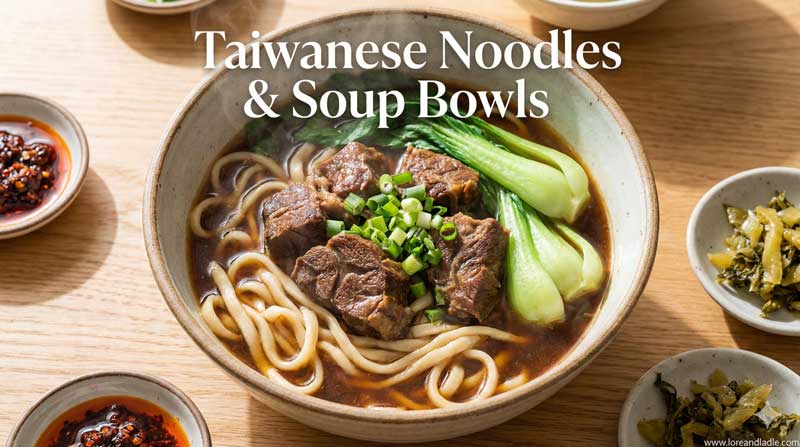
Beef Noodle Soup stands as a flagship of Taiwanese noodle bowls. A generous ladle of braised beef rests atop springy noodles, immersed in a deep, aromatic broth. The broth blends slow-simmered stock with spices that bloom with each sip. The meat remains tender, showing the care of a long simmer. Fresh greens or pickled vegetables add a bright counterpoint. This bowl embodies culinary patience, regional sourcing, and the joy of a well-made staple.
Culturally, it is a bridge between home comfort and restaurant craft. People seek it for warmth on busy days and celebration on gatherings. Its popularity mirrors a shared pride in Taiwan’s noodle traditions. The dish invites slow tasting and mindful slurping, turning a meal into an experience of gratitude for skill and time. It remains a symbol of hospitality and generous spirit.
Oyster Vermicelli (Hao Zai Mian Xian)
Oyster Vermicelli blends a briny kiss with a silky broth and delicate noodles. The oysters offer a savory sparkle that brightens the bowl. Garlic, sesame, and light aromatics weave through the stock, enhancing the seafood sweetness. The vermicelli absorbs the broth, delivering a soft bite with each mouthful. It is a dish of contrasts: firm noodles, tender shellfish, and a broth that glistens with flavor.
This bowl highlights the inland-coast connection in Taiwanese cuisine. It celebrates the region’s seafood heritage while embracing the everyday comfort of a simple, well-seasoned noodle soup. The preparation honors freshness and balance, letting each ingredient speak clearly. Diners savor the moment when the broth tastes of the sea and sun-warmed markets.
Dan Zai Noodles (Dan Zai Mian)
Dan Zai Noodles arrive in a small, aromatic bowl that feels like a doorway to street-food artistry. A shrimp or pork broth forms the base, light yet flavorful, topped with minced pork and scallions. The noodles are thin and delicate, designed to soak up the broth’s character without losing their shape. Each bite reveals a quiet complexity—shellfish sweetness, subtle fat notes, and a clean finish.
This dish showcases Taiwan’s ingenuity in creating depth with simple means. It originated in a bustling port town and found a place in urban kitchens as a beloved everyday staple. The technique honors restraint and precision: a careful simmer, a measured touch for toppings, and respect for the noodle’s texture. Dan Zai Noodles remind us that great flavor can begin with a humble bowl.
Braised Pork Noodle (Lu Rou Mian)
Braised Pork Noodle blends savory pork with a rich, dark broth and sturdy noodles. The pork braise yields soft, melt-in-your-mouth texture, while the broth carries a caramelized sweetness from long cooking. Scallions and greens add a fresh lift that brightens the palate. This bowl embodies comfort cooking, a homey yet refined form of Taiwan’s culinary language.
Culturally, Lu Rou Mian speaks to everyday abundance and careful technique. It celebrates slow, attentive cooking and the joy of nourishing a family or a group of friends. The harmony of meat, fat, and broth underscores a philosophy of balance in flavor and approach. It stands as a beloved bridge between family tradition and contemporary curiosity.
How to Experience These Bowls Today
- Seek markets and night stalls for an authentic sense of place. The aromas guide you to the stall where skill and care shine.
- Notice the broth’s depth, the noodle texture, and the toppings’ freshness. Each element plays a role in the overall harmony.
- Try a tasting of two or three bowls in one outing. Compare the broth bases, meat textures, and seasoning choices to appreciate regional nuances.
- Pair with simple sides like greens or pickles to enhance contrast and balance in your meal.
- When cooking at Home, start with a clear broth, use springy noodles, and finish with bright, crisp toppings for a restaurant-like experience.
Closing Note
Best Taiwanese Noodle And Soup Bowls Dishes That Are Trending Right Now celebrates a living tradition. These bowls reveal the craft, warmth, and artistry behind Taiwanese cuisine. They invite us to slow down, savor each flavor, and honor the cooks who keep this culture vibrant. Whether you’re a curious traveler or a devoted home cook, these bowls offer a welcoming path into Taiwan’s rich culinary world.