
A warm welcome to Best Taiwanese Noodle And Soup Bowls Ideas to Brighten Up Your Weeknights
This collection invites you to explore the cultural value and culinary significance of Taiwanese noodle and soup bowls. These bowls carry a sense of daily life, shared meals, and skilled craft. They celebrate clear broth, tender noodles, and bright toppings. The goal is to brighten weeknights with comforting, flavorful bowls that honor tradition and daily joy.
The cultural heartbeat of Taiwanese noodle bowls
Taiwanese noodle bowls are more than food. They are a daily ritual in homes, markets, and small eateries. Chefs and Home Cooks bring attention to balance: a fragrant broth, sturdy noodles, and decisive toppings. The result is a comforting meal that greets you with aroma, then warms the body and spirit. Each bowl reflects a moment in time—seasonal ingredients, family techniques, and a love of sharing. The beauty lies in how simple ingredients can unite flavors, textures, and memories.
Core bowls that shine in Taiwan’s kitchens
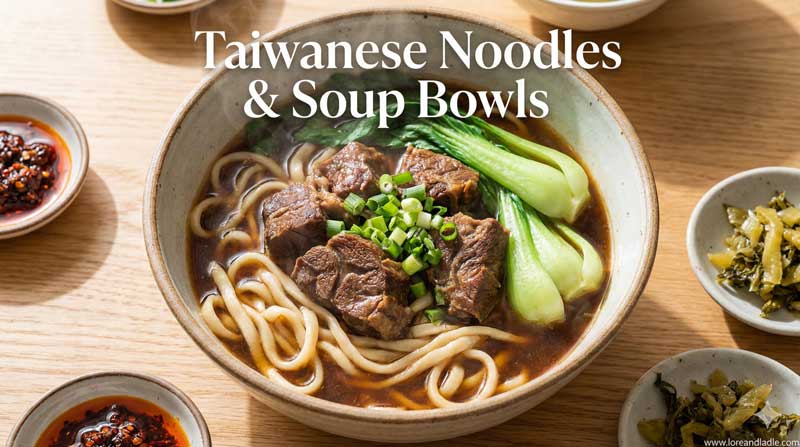
Beef Noodle Soup: A cornerstone of the cuisine, this bowl centers on a deeply flavorful broth and tender beef. The broth often carries soy, star anise, cinnamon, and pepper. Noodles are chewy and sturdy, designed to hold up to the broth. Fresh greens, scallions, and a touch of chili complete the picture. This bowl speaks to patience and skill in slow simmering.
Lu Rou Mian (Braised Pork Noodle Soup): Braised pork belly meets noodles in a rich, slightly sweet soy sauce base. The pork becomes melt-in-your-mouth tender, releasing deep umami into the broth. The result is a satisfying harmony of fat and savor, balanced by crisp vegetables or pickles on top. It shows how technique and time transform simple ingredients into comfort.
Oyster Mee Sua (Oyster Vermicelli): This coastal favorite uses fine noodles and a silky broth. Oysters provide a briny sweetness that mingles with garlic and sesame oil. The texture contrast between slim vermicelli and plump oysters delights the palate. It’s a gentle, welcoming bowl that highlights seafood’s tenderness and Taiwan’s love of sea-kissed flavors.
Ginger-Scallion Chicken Noodle Soup: A lighter, fragrant option that centers on ginger, scallion, and bright broth. Tender chicken and delicate greens create a clean, soothing profile. It demonstrates how herbs lift the broth and noodles without heavy sauces.
Clear Aromatic Broth with Seasonal Greens: This category emphasizes the clarity of a well-made stock. It might feature goji berries, dried shiitake, or coriander for aroma. Noodles soak up the flavorful broth while greens add color and freshness. The result is a bowl that feels bright and balanced.
Techniques that honor tradition in every simmer
Treat the broth as the stage where flavor begins. Long, slow simmering draws out depth from bones, aromatics, and soy. Frying aromatics first adds a warm, inviting base. Balance is key: saltiness from soy, sweetness from sugar, and brightness from citrus or pickles. Properly cooked noodles maintain bite and texture, so they never dissolve in the broth. Toppings—scallions, cilantro, pickled greens, chili oil—go on just before serving to preserve color and aroma. These techniques honor tradition while letting each cook weave their own touch into the bowl.
Flavor profiles that tell a story
Savory and comforting describe many Taiwanese noodle bowls. The broth often leans savory with a gentle sweetness from brown sugar or rice wine. Aromatics like ginger, garlic, star anise, and green onion provide a fragrant backbone. Umami comes from soy, mushrooms, and sometimes seafood. Chili oil or pickled vegetables add bright pops of heat and acidity. The balance among these elements reflects a regional sensibility: warmth in winter soups, lightness in spring bowls, and strength in more robust preparations. Each bowl becomes a small story of aroma, texture, and color.
Weeknights that feel bright and welcoming
These bowls suit weeknights because they welcome you home with aroma and comfort. They pair well with simple sides like a light tea or a crisp cucumber salad. Many components can be prepared ahead: broth, braised pork, or even the pickled greens. Then assembly is quick, turning into a nourishing meal that feels special. The beauty is in ease without losing the soul of the dish. In short, these noodle bowls bring joy to busy evenings.
How to plate and enjoy these bowls
- Start with a warm, sturdy bowl.
- Ladle broth first, then add the noodles.
- Top with meat, seafood, or greens, plus a final bright touch: chopped scallions, cilantro, sesame seeds, and a drizzle of chili oil.
- Serve with a simple side like pickled vegetables or a light tea.
- Sip the broth first to savor the aroma, then enjoy the combination of textures.
Regional inspirations and seasonal variations
Taiwan’s coast and mountains influence flavors. In coastal towns, oyster or seafood noodles gleam with ocean brightness. Inland regions may favor richer braises and deeper soy notes. Seasonal ingredients also shift the bowls: spring greens, summer scallions, autumn mushrooms, and winter root vegetables all find a place. This flexibility keeps weeknight bowls exciting while honoring a shared culinary language. The regional variety shows how culture adapts while staying rooted in the same craft.
A practical guide to making these bowls at home
- Plan a simple menu: pick two bowls and a light side.
- Gather core ingredients: good broth base (bone or mushroom), noodles, a protein (beef, pork belly, chicken, or seafood), aromatics, and fresh toppings.
- Make broth ahead: a few hours of simmering or even a day in the fridge deepens flavor.
- Prep toppings and greens in advance.
- Assemble bowls quickly: warm the broth, cook the noodles just before serving, then top and serve.
- Adjust seasonings at the end to taste. A little extra soy, sugar, or acidity makes a big difference.
The beauty and value these bowls bring to your table
Best Taiwanese Noodle And Soup Bowls Ideas to Brighten Up Your Weeknights offers more than nourishment. They connect you to a dining culture that values balance, craft, and generosity. Through slow-simmered broths, confident knife work, and thoughtful toppings, you celebrate skill and hospitality. These bowls invite conversation, share, and memory-making. They remind us that a weeknight meal can be a small celebration of flavor, tradition, and care.
Final thoughts: a gentle invitation to explore more
If you begin with a couple of trusted recipes, you can gradually explore regional twists and seasonal ingredients. Enjoy the process as you learn the stories behind each bowl. Let the warm aroma invite you to the kitchen, and let the first bite remind you that food can brighten all weeknights. This is the heart of Taiwanese noodle and soup bowls: simple ingredients elevated by technique, shared at a table, and kept alive by everyday cooks who honor the craft with every bowl.