
Welcome to Best Taiwanese Rice Bowls And Bento Plates Dishes to Try in the U.S.
This guide invites you to savor a family of dishes built around rice, fragrant sauces, and careful balance. Taiwanese rice bowls and bento plates celebrate daily life, craft, and shared meals. Each plate tells a small story of season, technique, and care. in the United States, these dishes bring a warm, welcoming voice from Taiwan’s kitchens to many diners. The focus here is on flavor, texture, and cultural meaning, not politics. It’s a celebration of how a simple bowl can feel like home, wherever you eat it.
The Heart of Taiwanese Rice Bowls
Rice is the quiet center of many meals. It anchors flavors, soaks up sauce, and provides comfort after a long day. In Taiwanese bowls, cooks layer braising liquids, herbs, and meats with a light touch. The result is a plate that feels both humble and refined. You will notice bright greens, dark soy, and the gentle sweetness that comes from long simmering. The bento box, or biandang, turns a meal into an artful arrangement. Colors, textures, and portions are balanced to please the eye and the palate. In short, these bowls honor everyday cooking while elevating it with care and technique.
Lu Rou Fan: Braised Pork Rice
Lu rou fan is a cherished emblem of Taiwanese Home Cooking. Tender pork belly slowly braises in soy, garlic, sugar, and spices until the meat becomes velvet. The sauce thickens and clings to each grain of rice. The aroma fills the room with warmth and familiarity. This dish teaches the value of patience in the kitchen: small cuts of meat, precise heat, and a patient simmer create depth without heaviness. When you bite, you’ll notice a perfect harmony of savory, slightly sweet, and deeply comforting flavors. It is a quiet celebration of how simple ingredients can sing together on a single bowl of rice.
Three-Cup Chicken: San Bei Ji
Three-Cup Chicken is famous for its three key liquids: soy sauce, sesame oil, and rice wine. The chicken braises until it absorbs a rich glaze and becomes glossy and tender. Fresh basil leaves add a bright lift at the end, lifting the dish’s fragrance. The technique rewards restraint: you use enough sauce to coat the meat and rice, but you do not drown the flavors. This dish embodies balance, warmth, and a sense of home-style cooking that travels well—from kitchen to table to bento box. The result is a comforting, aromatic plate that invites slow, mindful tasting.
Taiwanese Fried Chicken Cutlet Over Rice
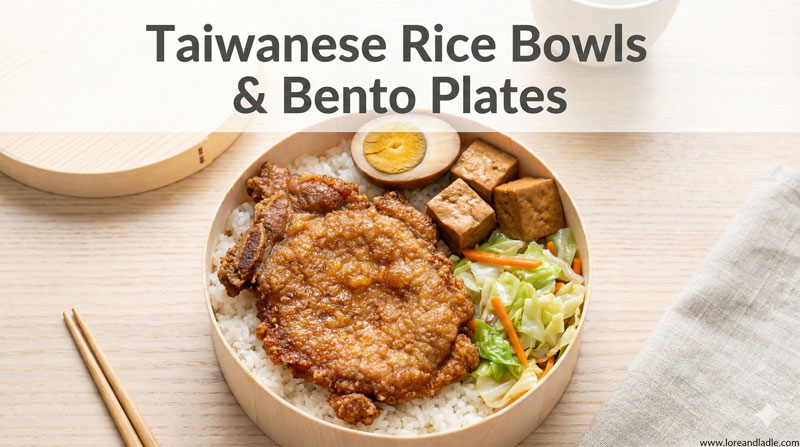
Crispy, juicy, and deeply flavorful, the Taiwanese fried chicken cutlet delivers a satisfying bite every time. The chicken is marinated, breaded, and fried to a crackly crust, then sliced and laid over a bed of steaming rice. A light slaw or pickles often accompanies the cutlet, adding brightness and crunch. This dish speaks to street-food roots made welcoming for a dining table. It balances texture with aroma: a crunchy exterior, tender meat, and a savory sauce or seasoning that lingers pleasantly. In many kitchens, the chicken cutlet over rice is a favorite for gatherings, lunch boxes, and comforting weeknight dinners alike.
Minced Pork with Eggplant Over Rice
Eggplant and pork play well together in a gentle, soulful pairing. Soft, braised eggplant soaks up a meaty, savory sauce while minced pork adds a touch of richness. Served over rice, the dish becomes a textural conversation between silky vegetables and meaty bites. The flavors are layered but never overwhelming, letting each component shine. This bowl is a reminder that simple components can yield deep satisfaction when they are treated with care and kept in balance. It’s a comforting choice that highlights technique and seasonal produce in harmony.
Bento Boxes: The Biandang Experience
The biandang, or Taiwanese lunch box, is more than a meal—it is a small artwork of daily life. A typical box offers protein, a handful of vegetables, pickles, and rice in separate compartments. This arrangement honors variety and pacing: first the protein, then a crisp bite of pickle, followed by the comforting softness of rice. The biandang teaches us to appreciate portions that respect both nourishment and beauty. When you see a well-made bento, you notice color, texture, and rhythm. It is a celebration of practical cooking that feels thoughtful and complete.
How to Seek These Dishes in the U.S.
- Look for Taiwanese cafes and markets that emphasize home-style bowls and biandang on their menus.
- Seek menus that describe braised pork, three-cup chicken, fried chicken cutlet, or eggplant with pork. These items signal authentic Taiwanese rice bowls.
- Consider places that offer a variety of small bowls or a built-in bento option. The best spots often present multiple textures and colors in one meal.
- Don’t hesitate to ask about the preparation. A quick chat with the chef can reveal whether a dish uses slow braising, fresh aromatics, and careful seasoning—keys to the true Taiwanese style.
- Pairing ideas: start with a fragrant drink or light pickles, then move to a deeply flavored bowl, and finish with a crisp side. This rhythm echoes the careful pacing of a classic biandang.
Final Thoughts: A Quiet Celebration of Flavor and Craft
Taiwanese rice bowls and bento plates in the United States offer more than sustenance. They present a philosophy of balance, patience, and shared pleasure. Each dish demonstrates how modest ingredients, treated with respect, can become stories told through aroma, texture, and color. Whether you are new to Taiwanese cuisine or rediscovering a familiar favorite, these bowls invite you to savor the beauty of everyday cooking. Enjoy the warmth, the careful technique, and the sense of home in every bite.