
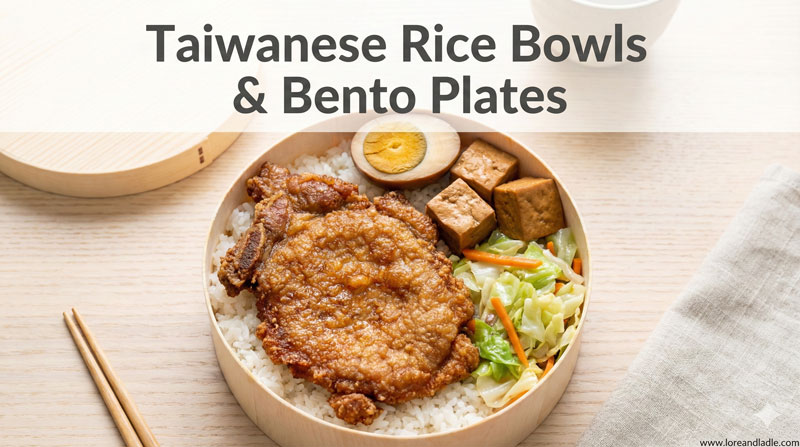
Discovering Taiwanese Rice Bowls and Biandang
Taiwanese rice bowls and biandang (lunch boxes) are a celebration of everyday dining. Their appeal lies in balance, color, and aroma. Each bowl tells a small story of home, market stalls, and careful preparation. They invite you to slow down, savor, and share. In home kitchens and small eateries, these bowls blend comforting familiarity with fresh, seasonal ingredients. The result is a meal that feels both intimate and inviting.
Cultural Value and Everyday Craft
Rice is the steady heart of many Taiwanese meals. It grounds the meal, supports a mix of proteins, vegetables, and pickles, and invites a shared experience. Biandang turns a simple lunch into a thoughtful project a family can enjoy together. The practice of arranging multiple small dishes around a steamed bed of rice reflects patience, care, and generosity. Preparing a bowl is a mindful act that honors cooks, farmers, and suppliers. The beauty lies in how humble ingredients become meaningful through technique and balance.
Core Flavors and Techniques Behind the Bowls
The culinary philosophy of Taiwan’s rice bowls centers on harmony. Sweet, salty, sour, and umami notes mingle without one overpowering the others. Texture plays a vital role: tender braised meat, crisp vegetables, and glossy rice create a satisfying bite every time. Common techniques include braising, quick-stir frying, and light pickling. A touch of sesame oil, scallions, and roasted garlic accents brings fragrance that lingers in the bowl. The result is approachable yet nuanced, suitable for weeknights and weekend feasts alike.
Signature Dishes and Their Stories
Several familiar combinations anchor Taiwanese bowls. Braised pork over rice, often called lu rou fan, offers rich depth from slow-simmered pork and soy. Three-cups chicken showcases a fragrant balance of soy, sesame, and rice wine, with a comforting glaze that clings to the meat. Pickled greens and a gently seasoned egg provide bright counterpoints that wake the palate. These elements appear in many biandang, adapted to home cooking with local produce. Each variation keeps the essential idea: a complete, satisfying meal in a single, well-arranged plate.
Bento Plate Design: Balance, Color, and Aroma
A well-crafted bento plate features color and contrast. Start with a bed of white or brown rice as your anchor. Add a protein that brings savoriness and tenderness. Include a bright vegetable or pickle for crunch and freshness. A whole egg or sliced marinated egg can add richness and a soft color contrast. Finish with a small garnish of herbs or sesame seeds. The most memorable plates balance portion sizes so every bite feels harmonious. Presentation matters, but so does practicality: plates should be easy to share and enjoy together.
Seasonal Inspirations and Regional Twists
Taiwan’s seasons inspire bowls with fresh greens, root vegetables, and citrus notes. In spring, crisp shoots and herbs brighten the bowl. Summer calls for lighter pickles and cool cucumber accents. Autumn roots add earthiness, while winter vegetables bring comforting warmth. Try regional twists by swapping vegetables or sauces to reflect local markets and old family favorites. This approach keeps the bowls vibrant and relevant, year after year.
Building Your At-Home Feast: Menu Ideas
- Classic Comfort Bowl: braised pork over rice, a soft-boiled egg, pickled mustard greens, and steamed greens.
- Fresh and Bright: tofu or chicken with a sesame-citrus glaze, cucumber salad, shredded carrot, and rice.
- Weekend Special: a richer beef or mushroom braise, a tangy pickle, and a small portion of sautéed greens for color and balance.
Each menu centers on balance and sharing, inviting everyone to taste, compare, and enjoy.
Tips for Preparation and Presentation
- Plan in advance. Gather ingredients, then wash and slice vegetables for quick assembly.
- Use a reliable rice base. Fluffy, well-cooked rice anchors the bowl and carries flavors well.
- Cook proteins to hold texture. A tender braise and a lightly seared crust create pleasing contrast.
- Layer flavors gradually. Start with the rice, add the protein, top with greens and pickles, then finish with a kiss of aroma from sesame or scallions.
- Plate with care. Aim for a colorful, balanced look that invites a second helping.
A Gentle Note on Tradition and Everyday Joy
These bowls honor daily life—the rhythms of markets, kitchens, and family tables. They celebrate craft, patience, and the sharing of warmth. As you prepare your next at-home feast, you invite friends and family to taste tradition, skill, and seasonal freshness in a single, satisfying meal. The beauty of Taiwanese rice bowls and biandang is that they are approachable today and enduring for tomorrow.