
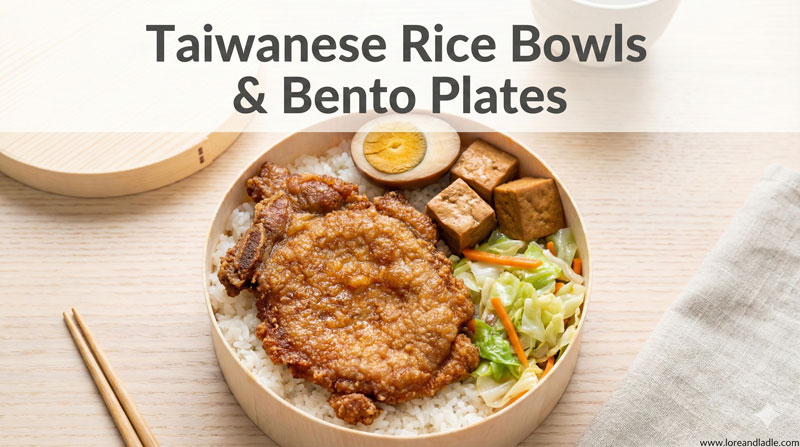
Best Taiwanese Rice Bowls And Bento Plates Favorites for Your Next At-Home Feast
Taiwanese rice bowls and bento plates are more than meals; they are small events of care, balance, and shared joy. Each bowl tells a story of everyday ingenuity, seasonal produce, and time-honored techniques. If you are planning an at-home feast, this guide highlights the cultural value and culinary significance of some beloved choices. You will see how simple ingredients become memorable with patience, heat, and a mindful approach to balance.
A window into Taiwan’s rice bowls: culture and craft
Rice sits at the center of many meals in Taiwan. It provides a neutral canvas on which flavors can sing. In a bowl, cooks layer proteins, vegetables, and sauces to create harmony rather than dominance. This approach reflects a philosophy of balance: sweet meets savory, salty meets bright, tender textures unite with crisp edges. The biandang, or lunch box, is a longtime expression of daily care. It brings thoughtful portioning, color, and variety into a compact form, ready to travel from kitchen to table or beyond. Through these bowls, you glimpse a cuisine that respects seasonality, values technique, and cherishes the joy of sharing.
Signature bowls: Lu Rou Fan and its friends
- Lu Rou Fan (braised pork over rice) stands as a touchstone. Slow-simmered pork belly bathed in a soy-sugar glaze rests on a bed of steaming white rice. The meat turns melt-in-your-mouth tender, and the glossy sauce coats every grain. The experience is cozy, inviting, and deeply comforting.
- Three-Cup Chicken (San Bei Ji) offers a fragrant contrast. The dish relies on a trio of ingredients—soy sauce, rice wine, and sesame oil—for a rich glaze that clings to bite-sized chicken pieces. Ginger, garlic, and fresh herbs lift it, creating a bright, homey aroma that signals warmth and hospitality.
- Beef brisket rice is another favorite. Braised beef brisket becomes tender and savory, often with a touch of sweetness from sauce reductions. The result is a hearty bowl that satisfies with depth and comfort.
- A more general variation celebrates braised proteins with rice, where pork, chicken, or beef join vegetables under a glossy glaze. This family of bowls highlights how a simple protein can anchor a complete meal when paired with greens, pickles, or a crisp topping.
These bowls share a philosophy: transform modest ingredients through careful technique. The outcome is not just nourishment; it is a ritual of patience, attention, and shared pleasure. Each bowl invites you to notice how a small flame, a well-timed simmer, and a careful balance of salt and sweetness can elevate a dish.
The biandang: Bento plates as everyday treasure
Biandang, Taiwan’s iconic lunch box, turns a meal into a curated experience. A typical biandang presents rice in one compartment, a protein in another, and vegetables or pickles in a third. The arrangement matters as much as the contents. Color, texture, and proportion create a complete sensory moment. In a well-made biandang, you sense deliberate planning: a protein that remains juicy, vegetables that stay crisp, and rice that stays fluffy. The act of assembling a biandang teaches care, restraint, and respect for the ingredients. It is a daily practice that celebrates the art of balance and the beauty of a thoughtfully packed plate.
Ingredients and techniques that shape Taiwanese rice bowls
- Soy sauce and its kin: Light and dark soy provide both depth and glaze. They help build a savory backbone that supports sweetness from sugar or palm sugar.
- Aromatics: Garlic, ginger, and scallions wake the dish. They infuse layers of aroma that make a bowl feel homey and fresh.
- Spices and herbs: Star anise, a hint of cinnamon, and optional peppercorns add warmth without overwhelming the palate.
- Cooking methods: Braising, simmering, and gentle stir-frying are common. These techniques coax tenderness from meat while allowing sauces to concentrate.
- Vegetables: Pickled greens, blanched bok choy, and quick-pickled cucumbers bring brightness and crunch. They contrast with soft proteins and glossy sauces.
- Rice: A well-cooked base is essential. Fluffy grains absorb sauces without becoming soggy, creating a balanced bite every time.
- Finish and glaze: A touch of sesame oil, a drizzle of vinegar, or a light brush of glaze can lift a dish just before serving.
These elements work together to create bowls that are faithful to tradition while inviting novelty at Home. The aim is not to overwhelm but to harmonize: to let each component shine and to allow the eater to experience a sequence of flavors in a single spoonful.
Flavor balance, texture, and color: a culinary philosophy
Taiwanese bowls prize balance as a guiding principle. The sweet, salt, sour, and umami notes are tuned to avoid heaviness or monotony. Textures alternate between tender meat, glossy sauce, crisp vegetables, and soft rice. The color palette—bright greens, deep browns, and pale rice—creates an inviting plate that looks as good as it tastes. This philosophy extends to bento plates as well. A well-rounded biandang feels like a short, complete meal, with every bite contributing to the whole.
At-home feast: assembling a beautiful, respectful plate
- Start with a plan: pick one protein, one bright vegetable, and a pickled or fresh accent.
- Build in layers: rice first, then protein, then vegetables. Add a drizzle or sprinkle that draws the eye and awakens the palate.
- Use color as a guide: green vegetables for freshness, red or orange accents for warmth, and a glossy sauce to tie the elements together.
- Keep portions considerate: a balanced plate respects hunger and leaves space for conversation.
- Finish with care: a light sesame oil drizzle or a fresh herb can lift aroma and flavor.
An at-home feast is a chance to honor the dish’s cultural value. By presenting bowls and biandang with attention to proportion and color, you invite everyone to slow down and savor the moment.
Regional flavors and seasonal touches
Taiwan’s landscapes shape its bowls. Coastal markets emphasize fresh seafood and bracingly bright pickles. Mountain towns favor heartier braises and preserved vegetables. Northern dishes may lean toward lighter soy-glazed flavors, while southern bowls savor richer sauces and deeper aromatics. Seasonal produce also guides what fills a bowl. Spring greens, summer cucumbers, autumn mushrooms, and winter roots each bring a distinct voice. This flexibility keeps the bowls dynamic and relevant year after year, offering a fresh yet familiar experience with every season.
Pairings and condiments that complete the plate
A few well-chosen condiments can elevate a bowl without overpowering it:
– Pickled mustard greens or radish add a crisp tang.
– A small amount of chili oil or sliced fresh chilies introduces gentle heat.
– A squeeze of citrus or a few drops of rice vinegar brighten the sauce.
– Toasted sesame seeds or a whisper of sesame oil finish the aroma.
These accents help you tailor the dish to your taste while preserving the core balance that makes Taiwanese bowls recognizable and beloved.
A deeper look at cultural value and culinary significance
Beyond taste, these bowls tell a story of care, community, and daily life. They reflect a culture that celebrates straightforward ingredients transformed through patience and technique. They honor the home kitchen as a center of gathering, where family members contribute to a shared meal. They also invite curiosity: a bowl can become a gateway to exploring textures, aromas, and balance in new combinations while still honoring tradition.
As you explore Best Taiwanese Rice Bowls And Bento Plates Favorites for Your Next At-Home Feast, you engage with a cuisine that values warmth, hospitality, and thoughtful preparation. The dishes celebrate repetition and refinement—the essence of many treasured home meals. They remind us that a good bowl can travel from kitchen to table and become a memory in the making, a small ritual that reinforces connection and care.
Practical tips for a respectful, delicious at-home event
- Choose one or two core bowls to master for your feast. This creates a cohesive menu and helps maintain quality.
- Prepare components in stages: braises can simmer ahead, vegetables can be cut and blanched in advance, and rice can be cooked fresh for serving.
- Use vessels and bowls that enhance the presentation. A simple, elegant plate lets the food speak for itself.
- Invite conversation about flavors and textures. A short note on why you chose a particular ingredient or technique can enrich the experience.
Final thoughts: honoring the beauty of Taiwanese bowls
Best Taiwanese Rice Bowls And Bento Plates Favorites for Your Next At-Home Feast invites you to celebrate a cuisine that turns everyday meals into moments of beauty. The bowls embody a philosophy of balance, care, and shared pleasure. They connect cooking, family, and culture in a simple, satisfying form. By exploring these bowls and the biandang tradition, you invite a deeper appreciation of how food can reflect place, craft, and the joy of gathering. Enjoy the experience, savor the textures, and share the moment with those at your table.