
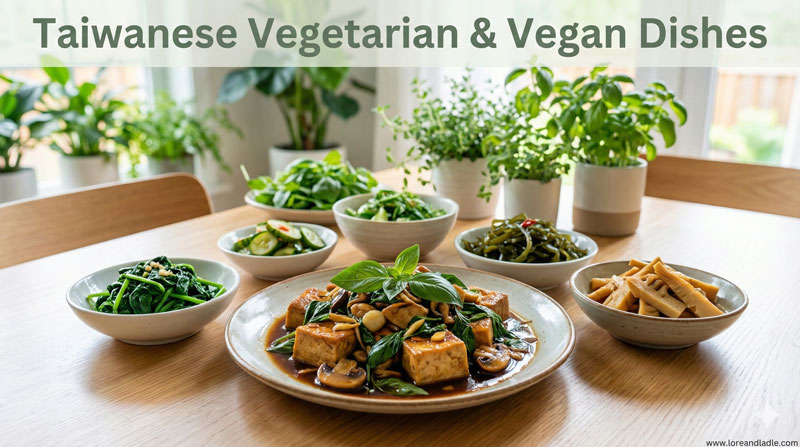
Welcome to the Best Taiwanese Vegetarian And Vegan Recipes Ideas for Taiwanese Food Lovers in America
Taiwanese vegetarian cooking glows with color, aroma, and balance. This collection highlights ideas that honor tradition while inviting creative home cooks in America to explore plant-based flavors. The goal is to celebrate vegetarian and vegan dishes as everyday treasures, not just special-occasion fare. You will find techniques, ingredients, and flavor notes that feel both familiar and new. The dishes speak to warmth, hospitality, and a shared table.
Core Values: Culture, Balance, and Seasonality
Taiwanese cooking centers on harmony. The menus blend five flavors—sweet, sour, salty, bitter, and umami—into soups, braises, and stir-fries. Plant-based meals emphasize texture as well as taste. Fresh vegetables, mushrooms, and tofu combine to create depth without reliance on meat. Seasonal produce guides what cooks choose, ensuring freshness and vitality. In American kitchens, these values translate into meals that are comforting, nourishing, and respectful of tradition. The result is food that feels like home, wherever the table is set.
Key Ingredients That Define Taiwanese Vegetarian Cooking
- Tofu and other soy products that soak up flavor.
- Mushrooms, especially shiitake and oyster varieties, for savoriness.
- Crunchy greens such as bok choy and napa cabbage.
- Roots and tubers like potato, taro, and lotus root for texture.
- Aromatics: garlic, ginger, scallions, and fresh chilies.
- Nuts and seeds: peanuts, sesame, and almond alike for richness.
- Sea vegetables and seaweed for umami.
- Stock enhancers like kombu and dried mushrooms to deepen flavor.
- Rice, noodles, and dumpling wrappers to anchor meals.
These ingredients let cooks build layered flavor, from a fragrant stir-fry to a slow braise, all while keeping plant-based purity at the center.
Techniques That Elevate Plant-Based Taiwanese Dishes
- Braising: Gentle simmering in soy, aromatics, and a touch of sweetness creates comforting depth.
- Steaming: Keeps delicate textures intact for vegetables and tofu.
- Stir-frying: Quick heat and high motion retain crispness and brightness.
- Rehydrating dried mushrooms: The soaking liquid becomes a rich foundation for soups and gravies.
- Seasoning in layers: Start with garlic and ginger, add soy or mushroom soy for depth, finish with a touch of sesame oil or rice vinegar for balance.
- Pickling and quick fermentation: Adds tang and complexity without heavy processing.
- Noodle and dumpling craft: Fresh wrappers and precise folding bring a convivial, shared dining experience.
These methods make the vegetarian and vegan ideas feel authentic, vivid, and approachable in any kitchen.
Vegetarian Interpretations of Taiwanese Classics
The collection embraces vegetarian takes on beloved techniques and flavors. Examples include:
– Mushroom-based braises that echo the richness of traditional braised dishes, using soy sauce and aromatics to mimic depth.
– Tofu “meat” textures achieved through careful pressing, marinating, and pan-searing for satisfying bite.
– Vegetable-filled dumplings and steamed buns that carry the aroma of sesame, garlic, and scallion.
– Spinach, cabbage, and kelp soups that offer warmth and nourishment.
– Three-cup style dishes reimagined with mushrooms, bamboo shoots, and tofu for a bold, comforting meal.
– Stir-fries featuring seasonal greens, peanuts, and chili paste to evoke familiar tastes with plant-based ingredients.
These vegetarian interpretations honor technique and terroir while inviting creativity at Home.
In American Kitchens: Bringing Taiwan to the Table
In America, local markets and farmers’ stalls provide abundant produce that fits these ideas. Home cooks can enjoy:
– Quick weeknight bowls that deliver bright flavors in minutes.
– Batch cooking that stores well for plant-forward meals.
– Shared plates for gatherings, celebrating color, aroma, and texture.
– Flexible meals that accommodate vegan, lacto-vegetarian, or plant-based dietary preferences.
This culinary approach creates a welcoming bridge between Taiwan’s kitchen traditions and American dining rooms.
Serving, Pairing, and Mindful Dining
Pair these dishes with steamed rice or soft noodles. A brisk green tea or a light oolong complements the flavors without overpowering them. Garnish with scallion, sesame seeds, or toasted peanuts to add texture. Serve in warm bowls to invite lingering conversations and enjoyment. The experience centers on balance, seasonality, and the joy of sharing flavorful, plant-based meals.
Final Thoughts: A Living, Delicious Tradition
The Best Taiwanese Vegetarian And Vegan Recipes Ideas for Taiwanese Food Lovers in America offer more than recipes. They present a culture of care, balance, and creativity expressed through plant-based cooking. Each dish invites cooks to honor tradition while exploring new flavors and textures. In this way, vegetarian Taiwanese cuisine becomes a lasting, flavorful part of everyday life for food lovers across America.