
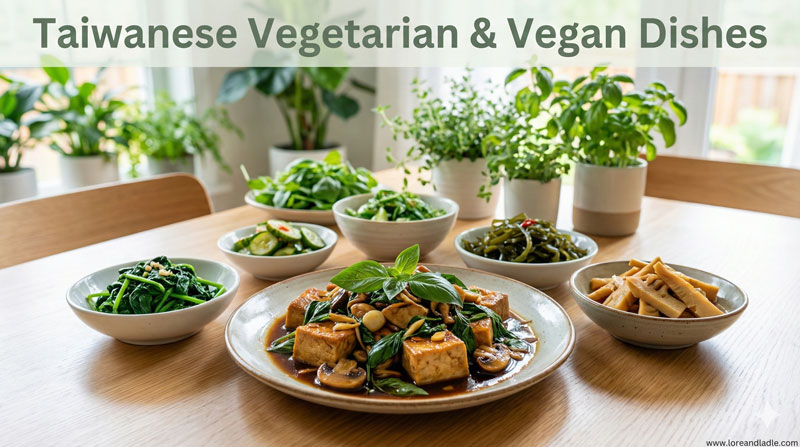
Introducing Best Taiwanese Vegetarian And Vegan Recipes Favorites to Brighten Up Your Weeknights
This post presents a thoughtful collection called Best Taiwanese Vegetarian And Vegan Recipes Favorites to Brighten Up Your Weeknights. It celebrates plant-based cooking as a vibrant expression of Taiwan’s food culture. The title itself promises meals that feel comforting, bright, and doable after a long day. The aim is to honor the craft behind each recipe, from the fresh market finds to the careful simmering that unlocks depth without meat. Readers will discover how traditional techniques meet modern weeknight needs, producing dishes that nourish both body and spirit. By exploring this collection, you’ll see how cooking at Home can be a daily festival of balance, color, and aroma.
Taiwan’s vegetarian and vegan dishes shine because they blend practical technique with a deep respect for seasonal produce. The dishes in this collection are designed to be approachable, so you can connect with the cuisine step by step. You’ll find that flavor comes from natural ingredients, not heavy sauces. Fresh vegetables, fragrant herbs, mushrooms, tofu, and sea vegetables come together with careful seasoning. The result is meals that feel rooted in place, yet easy to adapt to your pantry. With every bite, you glimpse a cuisine that values harmony, clarity, and the joy of sharing a meal around the table.
The Heart of Taiwanese Plant-Based Cooking
Taiwanese plant-based cooking centers on balance, bright textures, and clear flavors. Temple cuisine and home cooking share a common goal: to savor ingredients at their best while keeping the dish light. In this tradition, gentle braises, quick stir-fries, and clear broths show how restraint can yield depth. The dishes celebrate mushrooms for their earthiness, tofu for tenderness, and greens for a crisp finish. Hints of garlic, ginger, green onions, and soy bring warmth without heaviness. The cultural value lies in how families and communities unite around simple ingredients prepared with care. The result is food that feels respectful, inviting, and memorable.
Regional influences enrich the repertoire. The fresh vegetables of coastal markets meet the comforting textures of inland kitchens. Minnan and Hakka culinary echoes appear in sauces, braises, and noodle preparations. Yet the collection stays welcoming to cooks of all backgrounds, inviting you to taste Taiwan through a plant-forward lens. The strength of these recipes is their clarity. They teach you how steady technique can elevate everyday dinners into something special, even on busy weeknights.
Core Ingredients and Techniques That Define the Cuisine
The recipes emphasize what Taiwan does best: transform everyday produce into vibrant dishes. Silky tofu absorbs seasonings beautifully, while shiitake mushrooms provide meaty savor. Fresh greens, bamboo shoots, daikon, and crunchy bean sprouts add texture and brightness. Sea vegetables and dried products contribute depth without relying on meat. Soy sauce, fermented bean paste, sesame oil, and rice wine balance sweet, salty, and umami tones. One-pot braises, quick stir-fries, and light broths keep the kitchen calm and efficient.
Technique is king. Quick blanching brightens greens; gentle braising tenderness envelopes vegetables; and simmered stocks extract depth from few ingredients. The use of aromatic foundations—ginger, garlic, scallions, and fresh chilies—builds warmth without heaviness. The emphasis on balance means every dish has a purpose: a crisp bite here, a mellow note there, a lingering finish from sesame. This approach makes complex flavors feel accessible, especially on weeknights when time is limited but appetite remains high.
Signature Flavors and Textures You’ll Discover
Expect a chorus of textures: the snap of garlic chives, the toothsomeness of noodles, the silkiness of braised tofu, the chew of mushrooms, and the freshness of lightly dressed greens. Flavor is layered with care. Savory umami comes from soy, miso, and mushroom intensities. Subtle sweetness may arise from caramelized onions or rice wine reductions. Sour brightness can arrive via pickled vegetables or a touch of vinegar. The result is a well-rounded plate where no single element overwhelms another.
Color plays a key role too. Vibrant greens, golden tofu, orange carrots, and deep brown sauces create visual appeal that invites you to cook. The dishes are designed to be plated simply and beautifully, so weeknights feel less rushed and more celebratory. In this collection, every bite is a small, thoughtful moment of Taiwan’s culinary imagination.
Practical Weeknight Dinners: Everyday Dines That Feel Special
These recipes are crafted for busy evenings. They prioritize clean prep, quick cooking, and smart shortcuts that don’t compromise flavor. A one-pot braise can produce a comforting, complete meal with vegetables, aromatics, and protein. Stir-fries use high heat for quick searing, locking in color and crunch. Broths and noodle soups offer warmth with minimal effort, perfect for cooler evenings. By layering flavors with a few pantry staples, you can create a week of dinners that feel fresh and satisfying.
The collection also highlights batch-friendly ideas. For instance, a versatile mushroom and tofu base can become different dishes with a few toppings or sauces. Leftover greens and herbs can brighten a new plate the next night. The idea is to help you brighten weeknights with varied, dependable meals that honor traditional taste while staying practical for modern routines. These recipes invite you to enjoy cooking as a daily ritual of care.
The Cultural Value of Sharing, Hospitality, and Daily Joy
Food in Taiwan is deeply social. Sharing bowls, family meals, and visits with neighbors reflect a culture that values connection. This collection honors that spirit by offering dishes you can prepare for loved ones, guests, or quiet evenings alone. The act of cooking becomes a language of warmth and welcome. A simmering pot becomes an invitation to linger at the table, to talk, and to savor together.
Plants form the core of these traditions, and seasonal produce brings a sense of place to every meal. The recipes encourage mindful sourcing and thoughtful preparation, reinforcing respect for farmers and markets. By focusing on plant-based meals, the collection also supports a gentle, nourishing lifestyle that complements a busy schedule. The result is a culinary practice that respects both people and the land, while keeping dinner time hopeful and bright.
Tips for Home Cooks: Embrace, Adapt, Elevate
Start with the pantry staples that appear across many recipes: soy sauce, sesame oil, dried shiitake, rice, garlic, and ginger. Build your flavor foundation, then layer in vegetables you love. If you don’t find a specific ingredient, substitute with a similar item that offers comparable texture or aroma. Embrace toppings like sesame seeds, scallions, or chili oil to finish plates with color and sparkle. Adjust heat to taste and rely on taste as your guide.
To maximize weeknight efficiency, prep components ahead. Chop vegetables, soak mushrooms, and rinse tofu in advance. A simple stock base can be simmered and stored for fast soups and braises later in the week. This approach keeps cooking enjoyable rather than exhausting, turning weeknights into opportunities to explore rather than rush through. The most important tip is to cook with curiosity and kindness toward yourself and the ingredients.
Conclusion: A Bright, Plant-Powered Path Through Taiwanese Cuisine
Best Taiwanese Vegetarian And Vegan Recipes Favorites to Brighten Up Your Weeknights invites you to explore a cuisine that blends tradition with practical, modern cooking. It highlights how plant-based meals can be both comforting and exciting. By embracing seasonal produce, balanced flavors, and thoughtful technique, you can create weeknight dinners that feel special without demanding every hour of your evening. The dish collection stands as a respectful, accessible gateway to Taiwan’s rich culinary language. Open a few jars, slice a few vegetables, and let the kitchen become a place of warmth, learning, and joy.