
Introduction
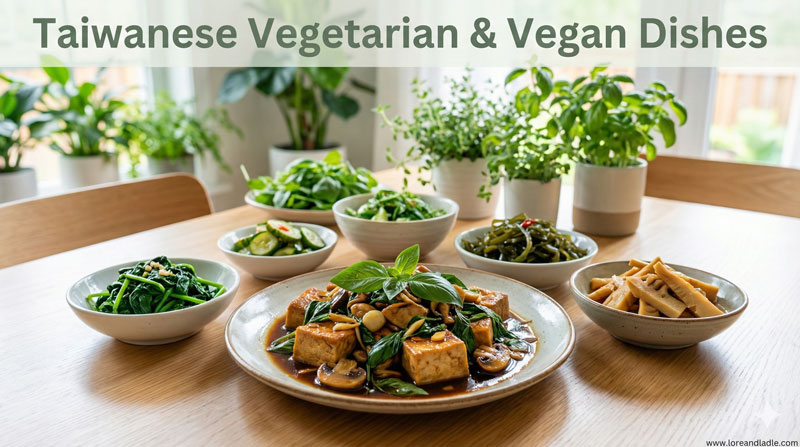
Taiwanese vegetarian and vegan cooking holds a special place in the island’s food culture. Plant-forward recipes celebrate seasonal produce, balance flavors, and invite shareable meals. This list, titled Top 9 Taiwanese Vegetarian And Vegan Recipes Recipes for Taiwanese Food Lovers in America, highlights dishes that radiate cultural value and culinary significance. Each entry blends aromatic technique, texture, and color, making them enjoyable in American kitchens while staying true to Taiwan’s culinary spirit. Let’s explore how these dishes nourish both the palate and the sense of place.
三杯豆腐 (Three-Cup Tofu)
Three-Cup Tofu centers on three fragrant staples: sesame oil, soy sauce, and rice wine. Garlic and ginger bloom in the pan, then tofu soaks up the warm glaze. Culturally, the dish speaks to home cooking and the joy of turning simple ingredients into something comforting. Its quick construction makes it a reliable weeknight favorite, yet it carries the deep, homey aroma found in family kitchens across Taiwan. In America, it travels well with rice and fresh greens, preserving the dish’s gentle balance of savory, sweet, and fragrant notes.
羅漢齋 (Buddha’s Delight)
Buddha’s Delight is a tapestry of vegetables, tofu, and mushrooms, all simmered with light seasoning. The dish embodies temple-style cooking, where variety, color, and texture harmonize in a single bowl. Its significance lies in showcasing abundance in plant form and mindfulness in preparation. For Taiwanese food lovers in America, this dish offers a colorful, nutritious option that remains rooted in traditional technique while accommodating modern, plant-based diets. It’s a vibrant reminder that nourishment can be both elegant and accessible.
麻婆豆腐 (Mapo Tofu) — 素版
Mapo Tofu, traditionally spicy and tinged with Sichuan pepper, is adapted here in a vegetarian version. Silken tofu yields to a bold sauce enriched with fermented bean paste, chili, and garlic. The dish’s cultural value lies in its balance of heat, aroma, and soft texture, a harmony many Taiwanese households adore when sharing a table with friends and family. The vegan adaptation preserves the communal spirit of a hot, sizzling pan and invites diners to savor layers of flavor without meat. It’s a lively bridge between regional flavors and Taiwan’s own love of diligent, flavorful home cooking.
素燒茄子 (Braised Eggplant)
Braised Eggplant blooms with soy, ginger, garlic, and a touch of sweetness. The eggplant becomes silky, absorbing a deeply savory glaze. Culturally, eggplant braises honor the quiet patience of slow cooking and the beauty of pantry staples. In America, this dish demonstrates how textures—from soft to glossy—can emerge from a few simple ingredients. It’s a comforting, everyday dish that still feels special enough for sharing meals with friends.
香菇燴豆腐 (Braised Tofu with Shiitake Mushrooms)
Shiitake mushrooms bring a woodsy depth, and tender tofu soaks up umami-rich braising liquid. The result is a dish that feels both hearty and refined. Its culinary value lies in showcasing how mushrooms can carry the meat-like texture many plant-based cooks seek, while tofu supplies protein and tenderness. This pairing mirrors Taiwan’s skillful use of dried and fresh ingredients to create layered flavor profiles, a practice easily echoed in American kitchens with accessible staples.
蒜蓉空心菜 (Garlic Stir-Fried Water Spinach)
This bright, quick stir-fry highlights fresh greens with a punch of garlic. The dish celebrates the crisp bite of greens and the fragrance released in a hot wok. Culturally, greens like water spinach are a daily reminder of seasonal harvest and balance on the plate. In America, it’s a fast, flavorful side that pairs brilliantly with rice and a protein dish. Its simplicity makes it a staple for weeknight meals and a gateway to more elaborate Taiwan-inspired cooking.
糖醋豆腐 (Sweet-and-Sour Tofu)
Sweet-and-Sour Tofu offers a playful balance of tangy sauce and tender-tizzled tofu. The bright glaze evokes festive meals and family gatherings, where vibrant colors lift the dining experience. The dish’s cultural value lies in how it captures a joyful, welcoming approach to plant-based cooking. It remains approachable for American kitchens, inviting cooks to explore a classic flavor profile while keeping textures light and appealing.
麻醬拌麵 (Sesame Sauce Noodles)
Sesame sauce noodles present a creamy, nutty coating over chewy noodles and crisp vegetables. The sauce, rich with roasted sesame paste and soy, mirrors Taiwan’s affinity for bold, aromatic dressings. This dish is culturally significant as a representation of street-food-inspired comfort that travels well and scales from quick lunches to leisurely dinners. In America, it’s a satisfying, vegan-friendly option that showcases how simple sauces can transform everyday noodles into a crowd-pleasing dish.
蔥油餅 (Scallion Pancake) — 素版
Scallion Pancake is a beloved staple in Taiwanese street food and home cooking. Ready in a hot skillet, the pancake offers layered, flaky textures and a subtle, savory finish. Its cultural value lies in its demonstration of dough technique and the joy of a crisp exterior meeting a soft, green heart. As a vegetarian dish, it becomes a flexible centerpiece or accompaniment in American kitchens, easily paired with condiments, pickles, or a veggie stir-fry for a complete meal.
Final Thoughts
These Top 9 Taiwanese Vegetarian And Vegan Recipes celebrate the beauty of plant-based cooking in Taiwan’s culinary landscape. Each dish offers cultural insight through flavor, texture, and method, while remaining welcoming to American home cooks. The collection emphasizes balance, seasonality, and shared meals—principles that make Taiwanese food both comforting and inventive. Embrace these dishes as a bridge between tradition and contemporary, plant-forward eating, and let their aromas invite curiosity, conversation, and joy at the table.