
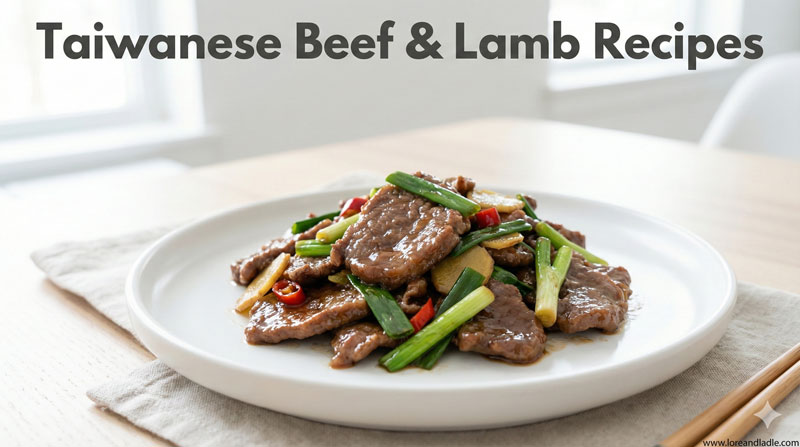
Discovering the Best Taiwanese Beef And Lamb Recipes Ideas to Try in the U.S.
Taiwanese cuisine shines through beef and lamb dishes that balance warmth with brightness. The collection Best Taiwanese Beef And Lamb Recipes Ideas to Try in the U.S. invites Home Cooks to explore a set of dishes that celebrate tradition and everyday life. These flavors, textures, and techniques reveal a rich culinary culture centered on care, seasonality, and shared meals. In the United States, these recipes offer a friendly gateway to Taiwan’s food artistry. They blend familiar ingredients with distinctive seasonings, creating dishes that feel comforting yet exciting.
Core Flavors and Techniques
Beef and lamb in Taiwanese cooking rely on a small set of core flavors. Soy sauce, brown sugar, rice wine, garlic, and ginger build a warm base. Star anise, cinnamon, and five-spice powder add depth. Fresh scallions and cilantro finish sauces with a bright note. The techniques emphasize balance and patience: braising until tender, simmering until glossy, and finishing with a touch of citrus or vinegar. These steps create a dish that feels both rooted and vibrant.
Classic Preparation Methods
Red-braising, or hong shao, is a central method for beef and can inspire lamb preparations as well. The meat browns first, then braises slowly with soy, sugar, and aromatics. This yields a glossy sauce and tender flesh that carries every spice’s warmth. Beef noodle profiles use a rich broth and chunky meat, ideal for comforting bowls. Lamb shines in gentle stews or pot-style dishes, absorbing spices and greens as it rests. Each method highlights texture: tender meat, silky sauce, and a lively surround of aromatics.
Cultural Value in Home Kitchens
These dishes are more than meals. They are threads that link families, share stories, and honor seasonal ingredients. In Taiwan, recipes emphasize harmony: savory depth with a hint of sweetness, a touch of brightness, and a clean finish. This balance translates to meals that please All Ages. When prepared in the U.S., these recipes invite community cooking and learning, with cooks sharing tips and tweaks across kitchens. The result is warmth, welcome, and a sense of culinary craft in every bite.
Bringing Taiwanese Taste to U.S. Kitchens
Markets across the United States provide essential ingredients. Gently sweet soy, rice wine, and star anise are widely available. If needed, you can substitute dark soy or light soy to adjust color and savor. Fresh beef and lamb cuts work best for texture, but you can adapt with prepared chunks or ground meat in certain dishes. The key is layering flavors through caramelized onions, garlic, and aromatics, then letting the sauce reduce to a glossy finish.
Serving Ideas and Pairings
Serving these dishes over steamed rice anchors the rich sauce. Noodles or warm flatbreads offer alternative textures. Add quick-pickled vegetables or crisp greens for brightness. A pot of jasmine tea or oolong complements the savory notes. The plate should feel balanced—meat, starch, greens, and a bright finish that invites another bite.
Modern Takes and Regional Inspirations
Modern cooks add chili oil, cilantro, or citrus zest for a fresh lift. They also borrow ideas from nearby cuisines, creating comforting bowls, skewers, or pot meals. The result is a flexible menu that stays faithful to Taiwanese technique while welcoming new flavors. These twists keep the dishes lively in homes across the United States and remind us how cooking can evolve with taste and time.
Ingredients and Tips for Success
Keep soy, garlic, ginger, and five-spice powder ready. Use firm cuts of beef or lamb for texture. Allow enough braising time for tenderness. Taste and adjust sweet, salty, and sour notes at the end. Finish with fresh herbs to brighten the dish. With these practices, each recipe shines and becomes a memorable part of the table.
Conclusion: A Celebration of Taste and Craft
The Best Taiwanese Beef And Lamb Recipes Ideas to Try in the U.S. offer a doorway to a richly textured cuisine. They honor technique, balance, and hospitality. With thoughtful preparation, these dishes bring warmth to the table and respect for culinary craft. They invite curious cooks to explore Taiwan’s flavors and to share in the joy of a well-made, soulful meal.