
Introduction
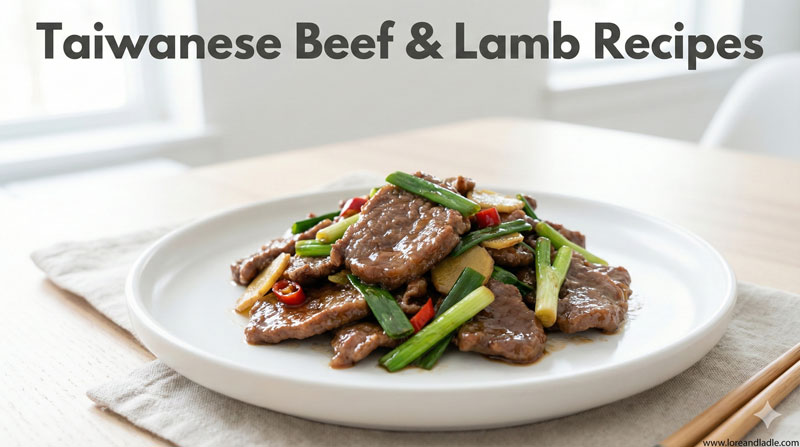
Welcome to an inviting exploration of Best Taiwanese Beef And Lamb Recipes Ideas Loved Across the U.S. This collection shines a light on how beef and lamb dishes from Taiwan enrich tables far from their origin. The dishes celebrate warmth, technique, and shared moments around the stove and table. Here, flavor and craft meet hospitality, creating food that feels both everyday and special. In each bite, you may taste careful braises, bright aromatics, and a balance that feels timeless and contemporary at once.
The Heart of Taiwanese Beef and Lamb
Taiwanese beef and lamb recipes center around harmony. They blend savory depth with gentle sweetness and fragrant herbs. The meat often braises slowly, absorbing soy, sugar, and spice until it becomes tender and glossy. Aromatics like ginger, garlic, and scallions ride alongside spices such as star anise or a hint of five-spice powder. The result is a comforting, soulful profile that can be brightened with citrus or greens. These dishes value patience, precise heat, and the joy of a well-seasoned pot shared among family and friends.
Techniques That Elevate Flavor
The cornerstone technique is braising. Meat browns to deepen flavor, then rests in a seasoned liquid that slowly infuses every fiber. This method yields tender textures and a glossy sauce. Wok cooking often follows, adding a quick high-heat bloom to fragrant herbs and aromatics. Simmering softly allows flavors to mingle without harsh edges. The balance between salty soy, sweet sugar or caramelized onions, and a touch of acidity keeps the palate engaged. Finally, finishing with chopped herbs or a splash of rice wine adds freshness. These techniques are approachable and translate well to home kitchens.
Flavor Profiles Across the Recipe Collection
The Best Taiwanese Beef And Lamb Recipes Ideas Loved Across the U.S. showcase layers of flavor. A rich, soy-scented base provides depth; star anise or a subtle five-spice note adds warmth; garlic, ginger, and scallions contribute brightness. Some dishes lean toward aromatic broths, others toward glossy braises with a lacquered glaze. Fresh greens or pickled vegetables often provide crisp counterpoints. Across variations, cooks balance sweetness with saltiness, fragrant notes with savory meat. The result is a versatile flavor family: comforting, inviting, and endlessly adaptable.
Cultural Value and Culinary Significance
These recipes honor a culinary heritage that prizes hospitality and skill. They invite cooks to care for ingredients, to measure braising times with patience, and to share a meal that feels earned. The dishes emphasize balance—between heat and fragrance, between meat and sauce, between homey familiarity and refined technique. They also demonstrate how a regional cuisine can thrive in diverse kitchens, offering a common language of aroma and texture that welcomes all eaters. In this way, the dishes become more than meals; they are small ceremonies of connection and respect for ingredients and each other.
Popular Ideas Loved Across the U.S.
Across many homes and eateries, the dishes have found resonance in the United States for their approachability and depth. Americans and Taiwanese-Americans alike enjoy the idea of a slow-braised beef or lamb dish that pairs well with rice or noodles. The recipes adapt to accessible ingredients and modern cooks’ schedules. Some versions streamline the braise for quicker weeknight dinners, while others preserve long-simmered traditions for Weekend feasts. The shared appeal is clear: comforting, richly flavored meals that feel like a warm welcome after a busy day.
Ingredient Spotlight: Beef and Lamb Staples
- Beef cuts often chosen for braising include brisket or chuck, which soften beautifully in long cooking.
- Lamb brings a tender richness that pairs well with bold spices.
- Core seasonings include soy sauce (light and dark), a touch of sugar or honey, rice wine or cooking wine, ginger, garlic, and scallions.
- Aromatics such as star anise, cinnamon, and a hint of five-spice powder enrich the sauce.
- Fresh herbs or greens are used at the end for color and brightness.
These staples anchor the flavors and make each dish distinctly Taiwanese in spirit, even when adapted for kitchens across the country.
Serving, Pairing, and Moments of Sharing
Pair these dishes with steamed rice or tender noodles to soak up the savory sauce. A simple cucumber or pickled vegetable side can add a crisp counterpoint. Fresh herbs, lime wedges, or a dash of chili oil offer optional brightness or heat. The beauty lies in how a single pot can become the centerpiece for a table, inviting conversation about taste and technique and the joy of cooking together.
Quick Home-Cook Tips
- Start with a thorough browning of the meat to develop depth before braising.
- Use a flavorful braising liquid with soy, a touch of sweetness, and aromatics.
- Keep the lid slightly ajar in the final stages to reduce and glaze the sauce to a glossy finish.
- Taste and adjust salt, sweetness, and acidity in balance with the finish you prefer.
- Plan ahead: braises often taste better after resting, so a little advance preparation yields more robust flavor.
Conclusion: A Friendly Invitation to Taste and Learn
The Best Taiwanese Beef And Lamb Recipes Ideas Loved Across the U.S. invite cooks to explore a cuisine built on patience, aroma, and shared meals. The dishes celebrate flavor harmony, technique, and the warmth of gathering around a pot. Whether you are new to Taiwanese cooking or revisiting beloved classics, these ideas offer a pathway to meals that feel both familiar and exciting. Embrace the scent of braising, the shimmer of a glossy sauce, and the comfort of a table where everyone is welcome. If you try one recipe, you may find it becomes a treasured ritual—an everyday celebration of food’s cultural value and culinary significance.