
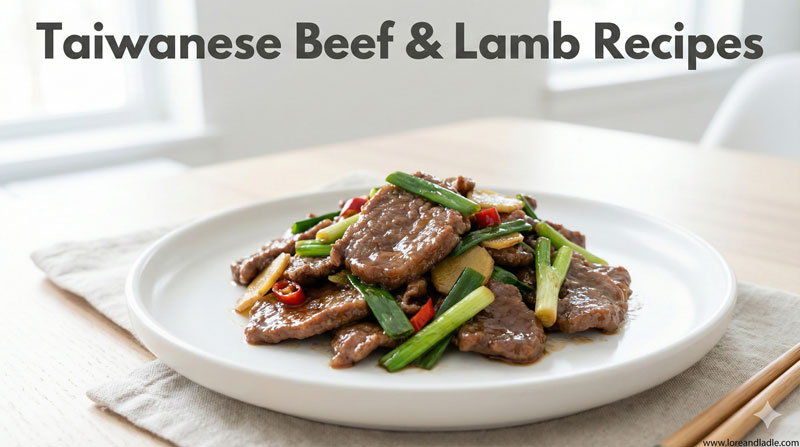
Introducing the dish Best Taiwanese Beef And Lamb Recipes Ideas for Taiwanese Food Lovers in America, a vibrant celebration of savory comfort and careful craft. This post highlights its cultural value and culinary significance, inviting readers to savor how beef and lamb meet Taiwan’s kitchen wisdom. The result is a dish that speaks softly yet clearly to tradition, technique, and everyday joy.
What makes this dish special in Taiwanese culinary culture
Taiwanese cooking honors balance, warmth, and shared meals. Beef and lamb together offer a rare harmony of bold, earthy flavors with delicate aromatics. In this preparation, long but gentle braising draws out sweetness from soy and sugar while letting spices sing. The outcome is meat that behaves like a story: sturdy, tender, and full of texture. When families gather, dishes like this become centerpieces that connect generations through aroma, memory, and shared savor. The dish respects time-honored methods while inviting new cooks to participate and learn.
Key ingredients and flavor philosophy
The flavor foundation blends beef or lamb with soy, rice wine, and a touch of sweetness. Aromatics anchor the profile: garlic, ginger, scallions, and star anise. A hint of cinnamon and cloves adds warmth. Black pepper or peppercorns provide a gentle bite. The meat is chosen for its ability to braise into tenderness, absorbing sauce without losing character. Fresh herbs or quick pickles sometimes accompany the dish to brighten the plate. The philosophy centers on layering: a braise that begins with searing, then a slow simmer to meld flavors. The result is a sauce that clings to the meat and coats every bite with savory depth.
Techniques that bring depth to beef and lamb dishes
Searing with a light crust starts the journey, enhancing Maillard flavors. Then comes a patient braise at a steady simmer, allowing collagen to soften and the sauce to thicken naturally. It helps to skim fat at intervals, keeping the sauce glossy and focused. Deglazing the pan with wine or stock lifts the fond and concentrates aroma. A balance between salty soy and sweet sugar creates a rounded finish. For a more pronounced aroma, some cooks briefly bloom spices in oil before adding other ingredients. Finally, resting the braised meat helps retain juiciness and lets flavors settle.
Regional and family variations within Taiwan
Taiwan’s culinary landscape features regional twists that celebrate local markets and family traditions. Some cooks favor stronger spice notes, while others emphasize a sweeter, lighter glaze. The choice of cut can shift the texture—from a fall-apart tenderness to a firmer bite that holds up to a dumpling or noodle pairing. Herbs and seasonings evolve with seasonal produce, producing a dish that remains recognizably Taiwanese yet subtly personal. Across kitchens, the method of slow braise, careful seasoning, and respectful timing stays constant, guiding every variation toward harmony.
How American cooks and diners embrace these flavors
American markets offer a wide range of beef and lamb cuts, making it easy to adapt this dish at Home. Chefs in American diners and homes often start with accessible cuts and adjust braising times for convenience without sacrificing tenderness. Local ingredients like fresh herbs, regional peppers, and craft soy sauces enrich the flavor palette. The dish travels well on a menu or in a weekend family meal, inviting experimentation with depth and balance. Most importantly, it preserves the spirit of Taiwan’s cooking: thoughtful technique, radiant aroma, and meals that feel like a warm welcome.
Pairings, serving traditions, and table rituals
Serve the braised beef and lamb with steamed rice or fluffy lo mein noodles to soak up the sauce. A crisp cucumber salad or pickled greens offers a fresh counterpoint to the rich braise. A light broth can accompany a small starter or serve as a palate cleanser between bites. Tea, particularly oolong or jasmine, pairs beautifully with the dish’s aromatic profile. The serving moment matters: a shared platter or individual bowls both emphasize hospitality and togetherness.
Crafting a respectful kitchen practice
Approach the dish with mindfulness and gratitude for the craft. Source responsibly, balancing taste with sustainability. Respect the ingredients by controlling heat, timing, and seasoning so each component shines. Keep notes on what works; flavor evolves with subtle changes. Invite friends and family to participate, turning cooking into a collaborative celebration of skill and care. This practice honors tradition while encouraging curious cooks to grow.
Final thoughts: celebrating taste, culture, and craft
Best Taiwanese Beef And Lamb Recipes Ideas for Taiwanese Food Lovers in America offers more than a meal. It is a bridge between technique and warmth, between a kitchen’s rhythm and a family’s story. The dish teaches patience, balance, and attention to detail. It invites everyone to experience the beauty of Taiwanese flavors living in modern tables. In every bite, you taste culture, craft, and a shared love of good food.