
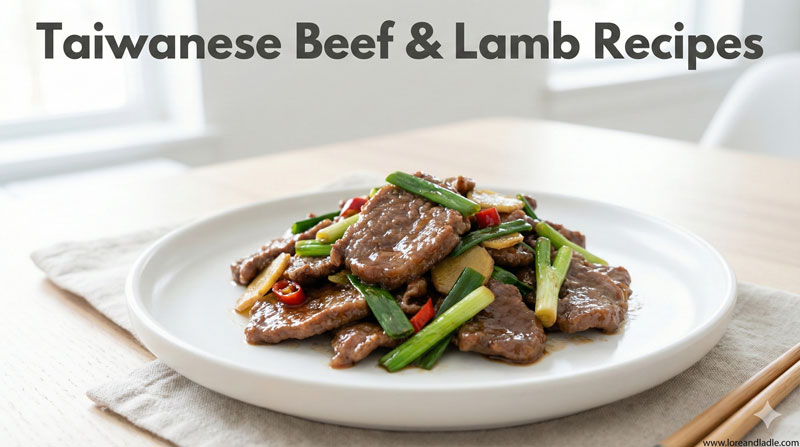
Best Taiwanese Beef And Lamb Recipes Favorites for Taiwanese Food Lovers in America
Introduction
This post celebrates the Best Taiwanese Beef And Lamb Recipes Favorites for Taiwanese Food Lovers in America. It explores how these dishes carry cultural value and culinary significance. The focus stays on taste, craft, and the joy of sharing a meal. The preparations honor tradition while inviting cooks to explore with curiosity and care. Expect warm aromas, balanced flavors, and a sense of belonging at the table.
Core Flavors and Ingredients
The heart of these dishes lies in a careful balance of savory, sweet, and aromatic notes. Beef brings depth and richness, while lamb adds gentle gaminess and bright aroma. Aromatics like garlic, ginger, and scallions form the flavorful backbone. Soy sauces provide a deep, velvety saltiness, often complemented by a touch of sugar or honey for subtle caramelization. Star anise, cinnamon, and a splash of rice wine or Shaoxing wine lift the profile with fragrant warmth. Some versions introduce a hint of Sichuan pepper for a tingling finish. Fresh herbs and bright citrus zest can finish the plate, inviting lightness after a braise or wok work.
Techniques that Shape the Dish
Technique matters as much as ingredients. The key steps center on layering flavors and letting the meat soften slowly. First, searing the beef and lamb helps develop a rich fond. Next, braising or slow simmering in a seasoned liquid draws out tenderness and melds the aromatic spices. A completed glaze or reduction concentrates the sauce until it clings to the meat. Finally, resting the meat briefly before serving lets juices redistribute, ensuring a moist bite. In American kitchens, a Dutch oven or slow cooker can reproduce the same gentle braise, making the dish approachable without sacrificing depth.
Beef and Lamb: A Harmonious Duo
Using beef and lamb together creates a harmonious texture and aroma. The beef supplies a robust, round savor that anchors the dish. Lamb contributes a lighter, nuanced note with a delicate sweetness and herbaceous breath from the marrow and fat. When braised together, they create a layered mouthfeel: the outer portions are deeply lacquered with glaze, while the centers stay tender and juicy. This pairing invites cooks to think about how different meats can converse on one plate, showcasing balance rather than competition.
Cultural Value in Taiwanese Cuisine
Taiwanese cooking often emphasizes family meals, harmony of flavors, and careful technique. These beef and lamb preparations reflect that spirit. They illustrate how home kitchens combine pantry staples—soy, ginger, garlic, and aromatics—with patient cooking to transform simple cuts into comforting, celebratory dishes. The dishes encourage gatherings, as their generous portions easily feed relatives and friends. They also demonstrate regional influence within Taiwan, where braising and slow-cooking are popular methods to coax tenderness and depth from meat. The result is a plate that feels both familiar and special, inviting appreciation for technique, time, and shared meals.
Serving Ideas and Pairings
Serve these dishes over steaming jasmine rice or short-grain rice to soak up the flavorful sauce. Add a side of blanched greens, such as bok choy or Chinese broccoli, for color and balance. A quick cucumber or carrot pickled side provides refreshing contrast. For texture, sprinkle chopped scallions or sesame seeds as a bright finish. A light chili oil drizzle can offer a gentle heat for those who enjoy a kick. In any setting, the dish shines as a centerpiece that still supports simple, satisfying sides.
Adaptation for American Kitchens
Americans often cook with readily available ingredients and versatile equipment. These recipes adapt well to home kitchens. Use common beef cuts like brisket or chuck and lamb shoulder or leg for tenderness. If fresh aromatics are hard to find, dried star anise and ground cinnamon still deliver the signature warmth. A slow cooker or oven braise reduces active cooking time while preserving depth of flavor. The dish remains faithful to its Taiwanese roots while welcoming a broad audience to savor its beauty. The result is a versatile, approachable dish that fits weeknight dinners and special gatherings alike.
The Experience of Taste and Time
When you taste this dish, you sense a careful journey: the initial aroma of ginger and garlic, the deep glint of soy, the warmth from star anise, and a finish that glides from sweet to savory. The texture evolves—from a tender bite to a slight, satisfying chew in the braised edges. The experience honors patience, as the dish rewards time spent slow-cooking with complexity that is greater than the sum of its parts. It is a celebration of technique, balance, and the sharing spirit inherent to Taiwanese cooking.
Why It Resonates with Taiwanese Food Lovers in America
This collection of beef and lamb recipes resonates because it bridges familiar flavors with new opportunities. It honors a traditional palate that respects savor and aroma while inviting experimentation with available ingredients. The dishes invite cooks to care for every step—from selecting cut and seasoning to monitoring simmer—and to appreciate how a well-made braise can evoke memories, comfort, and pride in craft. The result is a meal that feels both rooted and welcoming, a reminder that good food travels well when prepared with attention and heart.
Conclusion
The Best Taiwanese Beef And Lamb Recipes Favorites for Taiwanese Food Lovers in America celebrate flavor, technique, and community. They demonstrate how meat, spice, and slow-cooked tenderness can tell a story of tradition and innovation. In every bite, you taste balance, patience, and respect for ingredients. These dishes invite you to gather, savor, and share, keeping a cherished culinary heritage alive on American tables.