
Welcome and Overview
Welcome to an inviting exploration of Best Taiwanese Beef And Lamb Recipes Favorites for Your Next At-Home Feast. This collection celebrates a warm, shared style of cooking that thrives at the center of the home. You will discover how beef and lamb come alive in Taiwanese flavors, how technique shapes texture and aroma, and how a thoughtful menu can turn ordinary evenings into memorable gatherings. The focus here is on culture, craft, and the joy of cooking for those you care about.
Cultural Value: Meat, Family, and Timeless Cooking
In Taiwan, meals are a daily ceremony of connection. Meat plays a supporting role to balance vegetables, aromatics, and seasoning, while the cooking method carries meaning. Slow braises, precise sears, and simmering broths invite patience and attention at the stove. This patience is a form of hospitality. It says: you matter, your time matters, and the meal will reward that care. Beef and lamb are celebrated for their ability to absorb braising flavors and to soften into comforting textures. They become canvases for regional ingredients like radish, cabbage, scallions, and fragrant spices. Through these dishes, families pass along shared techniques—How to bloom soy, how to balance sweetness and savoriness, how to finish with a final drizzle of sesame oil. The result is a table that feels like home, with each bite telling a small story of comfort, skill, and tradition.
Culinary Significance: Techniques, Flavors, and Balance
The culinary core of Taiwanese beef and lamb dishes lies in balance and aroma. First, braising is central. A sturdy cut of beef or tender lamb is gently simmered with soy sauce, rice wine, a touch of sugar, and aromatics. This creates a deeply flavored, glossy broth and meat that nearly falls apart on the fork. Next, spices and aromatics shape the profile. Star anise, ginger, garlic, scallions, and a hint of five-spice powder lend warmth and depth. These elements mingle with vegetables like radish or potatoes, which soak up the sauce and carry its sweetness. Moreover, adding sesame oil at the end gives a mellow sheen and aroma that lingers after the bowls are cleared. This combination—rich meat, savory-sweet braise, bright aromatics, and a gentle finish—defines the culinary value of these dishes.
Beef and lamb in Taiwanese cooking also demonstrate texture variety. Some preparations yield succulent, melt-in-the-mouth meat, while others rely on a firmer bite for contrast. The technique matters as much as the ingredient: slow, even heat during braising, careful reduction of the braising liquid, and precise timing to avoid overcooking. This attention to texture reflects a respect for the ingredients and a desire to honor their natural tenderness. In addition, the harmony of umami from soy, the citrusy lift from a touch of rice wine, and the warmth of ginger and garlic creates a rounded, comforting flavor that remains distinctly regional rather than generalized. The result is a menu that can adapt to seasons and markets, while preserving a recognizable Taiwanese lineage in every mouthful.
Favorite Home Recipes and Their Tales
This collection highlights recipes that shine in home kitchens and bring out the best in both beef and lamb. Consider these categories as your starting point for a thoughtfully crafted at-home feast.
- Braised beef brisket with radish and soy-glaze: Slow braising with soy and a splash of rice wine yields meat that is tender yet substantial. The radish absorbs the sauce, offering a gentle peppery bite that contrasts with the meat’s richness.
- Taiwanese-style beef noodle-inspired stew: A balance of deep beef flavor, a clear-but-rich broth, and seasonal greens. This dish centers on technique—blooming aromatics first, then layering in broth and noodles at the right moment.
- Lamb stew with ginger and five-spice: Lamb brings a distinct sweetness and depth that pairs beautifully with ginger and the warm spice notes. It’s comforting in cooler months and pairs well with light spring vegetables.
- Lamb hot pot for a shared table: A social, interactive option where guests customize their bites. Thin slices of lamb cook quickly in a simmering broth alongside vegetables, tofu, and mushrooms.
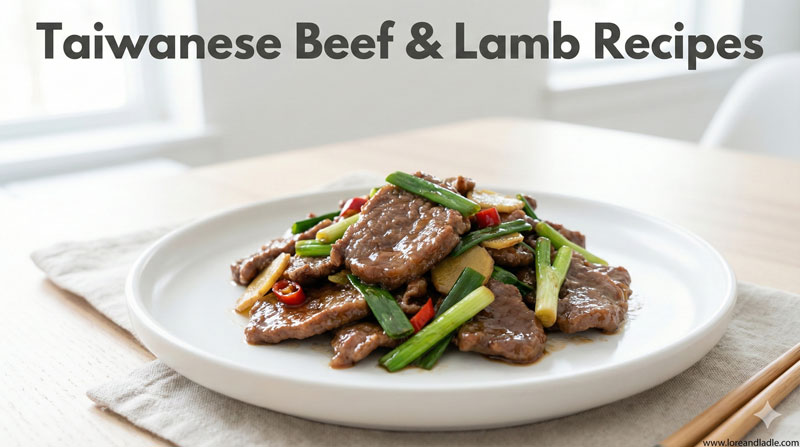
- Stir-fried beef and lamb with scallions and garlic: For a brighter, faster option, this style preserves the meat’s character while delivering aroma-rich notes through quick wok technique.
- Seasonal twists and pairings: Use regional produce, such as leafy greens, turnips, or sweet potatoes, to adapt these favorites to what’s fresh at the market. The heart of the dishes remains the same, while the surroundings shift with the season.
Each recipe type in this collection emphasizes technique and respect for ingredients. They are designed to be approachable for Home Cooks, yet they reveal a depth of flavor and a sense of place that makes them feel special.
At-Home Feast: Planning, Serving, and Togetherness
An at-home feast with Taiwanese beef and lamb invites thoughtful planning without complication. First, build a menu that balances richness with brightness. Pair braised dishes with crisp, fresh sides or lightly dressed greens to cleanse the palate. Next, organize the meal around a central pot or two; this encourages sharing and conversation at the table. Additionally, consider a simple broth course or a light starter that introduces the warm, comforting flavors to come. Finally, finish with a small dessert or fruit that refreshes the palate and leaves guests with a lingering sense of harmony.
For beverages, tea and light, citrusy drinks align well with the flavor profile. Oolong tea complements the savory notes, while a light, fruit-forward drink can provide a refreshing contrast. Plating should emphasize color and texture—glossy braised meat, pale greens, and the rich, amber sauce. The overall effect is inviting: a table that feels abundant, balanced, and deeply respectful of tradition.
Closing Thoughts
Best Taiwanese Beef And Lamb Recipes Favorites for Your Next At-Home Feast offers more than meals; it presents a doorway into shared culture, skilled technique, and the beauty of carefully prepared ingredients. These dishes honor the patience of simmering, the joy of gathering, and the artistry of pairing meat with vegetables and spice. As you cook, you honor a culinary tradition that values warmth, balance, and hospitality. May your kitchen become a welcoming frontier where beef and lamb meet fragrant aromatics, and where every plate invites gratitude and connection.