
A Sweet Introduction: The Heart of Taiwanese Desserts
Taiwanese desserts speak softly of balance, seasonality, and craft. They blend natural flavors with careful textures to create a sense of comfort and celebration. Each dish invites slow tasting, a pause to notice aroma, creaminess, and a touch of chew. in the United States, these treats become a bridge between daily meals and special moments, offering a window into Taiwan’s playful sweets culture. The best desserts and sweet treats from Taiwan show how vibrant ingredients like fresh mango, mung beans, taro, and almond are transformed into desserts that feel both refreshing and deeply familiar. By exploring them, readers can appreciate the culinary values of harmony, technique, and shared enjoyment that define Taiwanese dessert making.
Mango Shaved Ice: A Festival in a Cup
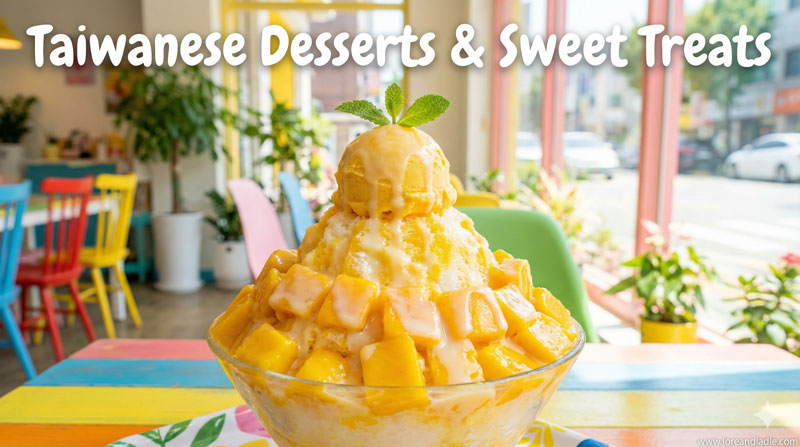
Mango shaved ice is a bright celebration of fruit and texture. The cold, finely shaved ice acts as a delicate stage for ripe mango slices, soft milk or coconut cream, and a gentle drizzle of syrup. In Taiwan, the mango season is a gift, and this dessert honors that gift with generous fruit and careful balance. The chew of tiny tapioca pearls or rice balls can appear as little treasures, adding contrast to the smooth layers. The dessert embodies a cultural love of seasonal fruit and a sense that dessert can be a refreshing, uplifting experience rather than a heavy finish. In the U.S., chefs adapt the presentation to local mango varieties, but the core idea remains: a sunny, fruit-forward treat that invites sharing and bright conversation.
Douhua: Silky Tofu Pudding and Its Gentle Sweetness
Douhua, or silky tofu pudding, is a study in cloud-like texture and subtle sweetness. The tofu is ultra-smooth, almost velvety, and it rests in a light syrup or a sweet sauce made from beans or grains. Toppings—such as bright red beans, mung beans, sesame paste, or chewy taro balls—add depth without overpowering the delicate tofu. This dessert honors restraint and balance, letting texture lead while the flavor stays quietly comforting. In Taiwan, douhua is a staple at breakfast stalls and dessert carts, a gentle ritual that invites slow savoring. In the United States, it offers a quiet counterpoint to richer sweets and demonstrates how a few well-chosen toppings can transform a simple base into a refined experience.
Aiyu Jelly: Sunshine in a Cool Cup
Aiyu jelly comes from the seeds of a fig-like fruit and setting in water to yield a translucent, wobbly jelly. It is often served with a splash of lemon or lime juice and a touch of honey or syrup. The result is bright, refreshing, and lightly tart, with a clean mouthfeel that makes it perfect for hot days. Aiyu jelly highlights the importance of texture in Taiwanese desserts—the way a cool, soft jelly can feel almost buoyant on the palate. The dessert blends natural ingredients with a bright, citrusy sweetness, a pairing that reflects Taiwan’s love of balance: gentle flavors that lift each other, never overpowering the senses.
Grass Jelly and Herbal Beverages: Balance and Refreshment
Grass jelly, also known as cinca o, is a dark, smooth jelly made from the herbal plant mesona. It absorbs the flavors around it, often appearing in drinks or with syrup and milk. The result is a cooling, earthy note that contrasts with sweeter toppings like fruit or beans. This dessert demonstrates how herbal ingredients contribute to a sense of harmony in Taiwanese cuisine. In the U.S., grass jelly adds an herbal dimension to beverages and shaved ice, offering a refreshing counterpoint to rich, creamy elements. Its popularity shows that Taiwanese desserts value refreshment as a core, meaningful experience, not just a sugar rush.
Taro Balls and Red Bean Treats: Chewy Comforts
Taro and red bean appear together in many beloved Taiwanese desserts. Taro becomes a creamy, slightly sweet paste, while red beans provide gentle earthiness and a soft, cozy texture. When paired with chewy taro balls or small mochi-like morsels, the result is a comforting, multidimensional dessert. These components honor traditional ingredients, celebrating how everyday pantry staples can become comforting sweets. In the United States, chefs and Home Cooks alike embrace these flavors for their familiarity and warmth, creating bowls and cups that feel like a cozy meal’s sweet ending.
Pineapple Cake and Sun Cake: Pastry Traditions
Pineapple cake (fengli su) and sun cake (taiyang bing) represent Taiwan’s pastry craft, each with a distinct personality. Pineapple cake offers a tart-sweet pineapple jam encased in a tender crumb, a treat that travels well and carries a sunny fragrance. Sun cake is a flaky, layered pastry often enjoyed with tea, featuring a crisp bite and a delicate sweetness. These pastries embody the artistry of balance—textural contrast, fragrant fillings, and careful sweetness that lingers pleasantly. In the U.S., these cakes become a comforting reminder of home-baked-style treats, inviting tea-time moments and thoughtful gifts.
Almond Tofu and Sesame Delights: Creamy, Nutty Notes
Almond tofu is a soft, pale dessert with a delicate almond aroma. It is often served with syrup and fruit, offering a clean, soothing finish. Sesame-based sweets add a toasty, nutty depth that complements the lighter desserts. These items highlight Taiwan’s skill in making plant-based sweets that feel luxurious without being heavy. In American dessert menus, almond tofu and sesame treats bring a gentle, welcoming flavor profile that can pair beautifully with green tea or jasmine tea, reinforcing the cultural emphasis on harmony and mindful indulgence.
Bubble Tea as a Dessert Experience: Texture and Flavor in a Cup
Bubble tea is more than a drink; it is a dessert ritual for many people. The chewy tapioca pearls create a playful texture that contrasts with creamy tea bases, fruit flavors, or milk. This beverage captures a modern fusion of technique and flavor, highlighting the importance of texture in Taiwanese dessert culture. In the U.S., bubble tea shops often offer dessert-inspired variations, seasonal fruit flavors, and creative toppings. The experience invites socialization, yes, but it also centers on the craft of brewing tea, preparing pearls, and balancing sweetness with the tea’s natural character.
Savoring These Desserts in the U.S.: A Gentle Guide
In the United States, these Taiwanese desserts travel through bakeries, dessert shops, and tea houses, carrying the beauty of their origins while inviting new audiences to enjoy them. Start with a shared tasting: try a cup of mango shaved ice, a bowl of douhua with a favorite topping, or a serving of almond tofu with syrup. Notice how each bite reflects a careful balance of ingredients, seasonality, and texture. Pair these treats with a favorite tea or a light, citrusy drink to heighten the freshness. Seek shops that emphasize quality ingredients and traditional methods, and you’ll experience the cultural value and culinary significance that these desserts bring to the table.
This collection of Taiwanese desserts offers a welcoming invitation to explore flavor, technique, and seasonal joy. They remind us that dessert can be a place of quiet celebration, shared moments, and lasting fondness for the craft of small sweets. Enjoy the journey, savor the textures, and let each bite tell a story of careful work, seasonal abundance, and the simple beauty of a well-made treat.