
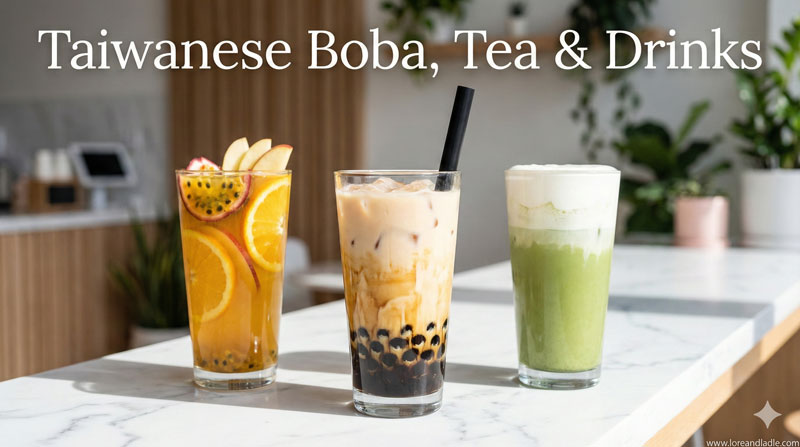
Best Taiwanese Boba And Tea Drinks Recipes to Try in the U.S. invites readers into a savory and sensory world where tea, texture, and artistry meet everyday joy. This post celebrates the dish’s cultural value and culinary significance, focusing on how boba and tea drinks enrich food culture across the United States. You will discover how these drinks blend tradition with creativity, how shops nurture craft, and how every sip can feel like a small cultural celebration.
Introduction to a Flavorful Tradition
Boba tea, often called bubble tea, has grown from a beloved street-side treat to a cherished café staple. In the United States, it shines as a bridge between careful tea preparation and playful experimentation. The beauty lies in the balance: a fragrant tea base, smooth milk or a dairy-free option, and chewy pearls that add a collectible texture. This combination invites conversation, shared tasting, and an appreciation for both technique and taste. The dish stands as a living example of how culinary culture evolves while honoring its roots.
What Makes Boba Tea Special
First, the core components create a memorable experience. Tea provides aroma and depth; dairy or plant-based milk adds creaminess; and the pearls bring a satisfying chew that contrasts with the liquid. Next, the range of flavors—from classic black tea with milk to vibrant fruit infusions—shows the versatility of the drink. Finally, the ritual of shaking, layering, and serving at the right temperature adds care and character. Across the U.S., communities savor not just a drink but a small ceremony that celebrates craftsmanship, fresh ingredients, and shared enjoyment.
Key Ingredients and Techniques
- Tea bases: black, green, oolong, or a harmonious blend. Each base offers a distinct aroma and body.
- Pearls: tapioca balls softened to a ideal chew with a gentle bite. They can be plain, brown sugar–glazed, or flavored.
- Milks and non-dairy options: dairy, almond, oat, or coconut milk. These choices shape mouthfeel and sweetness.
- Sweeteners and syrups: simple syrups, brown sugar, or fruit syrups tailor the drink to taste.
- Toppings: pudding, grass jelly, fruit bits, or extra pearls add texture and color.
Techniques matter. Brewing tea to the right strength, cooking pearls to the right texture, and balancing sugar create a harmonious drink. Shaking and layering enhance aroma and presentation, inviting the eye and the palate to explore.
Regional Variations Across the U.S.
Across major cities, you’ll find refreshing interpretations inspired by local flavors and seasonal ingredients. In California, bold fruit-forward infusions sit beside classic milk teas. In New York, cafés blend traditional tea with contemporary toppings for a cosmopolitan twist. In Texas and the Pacific Northwest, chai-like notes and mocha-inspired variants appear, showcasing regional tastes. The U.S. scene welcomes experimentation, while preserving the gentle ritual of tea time. These variations highlight how a single drink can adapt to different communities, climates, and culinary ideas without losing its essential character.
Pairings and Serving Context
Boba drinks pair wonderfully with a range of light snacks and desserts. A warm pastry, a mochi square, or a crisp taiyaki can complement the drink’s texture and aroma. Shops often design seasonal menus that honor fresh produce and festive flavors, inviting customers to try new combinations while staying connected to tradition. The serving context—casual chats with friends, a quick pick-me-up between errands, or a relaxed afternoon break—adds a social dimension to the culinary experience.
How to Enjoy at Home
If you’d like to recreate a version at home, start with a strong tea base and a plan for pearl texture. Boil pearls until they’re tender but still chewy, then rinse and coat with a light sugar or syrup. Brew tea to a balanced strength, add your preferred milk, and adjust sweetness to taste. Finally, combine, shake, or stir well, and serve with a wide straw to appreciate the pearls. Home preparation highlights the dish’s universal appeal: simple ingredients, careful technique, and the joy of sharing with others.
Craft, Care, and Community
The craft behind Taiwanese boba and tea drinks shines in attention to detail. Baristas and Home Cooks alike celebrate the sensory layers—the aroma of tea, the gloss of syrup, the playful chew of pearls. Seasonal flavors and limited-time toppings reflect a community’s creativity and pride in quality. In many shops, friendly service and clear guidance help newcomers discover their favorites, turning a drink into a welcoming moment of connection.
Choosing and Making Tips
- Look for fresh pearls that hold their chew without turning mushy.
- Start with a medium-strength tea to avoid overpowering flavors.
- Experiment with milk options to find your preferred mouthfeel.
- Balance sweetness to enjoy the tea’s natural notes.
- Try a tasting flight: compare black, green, and oolong bases side by side.
- Explore toppings to add texture and color without crowding the tea’s core flavors.
Conclusion
Best Taiwanese Boba And Tea Drinks Recipes to Try in the U.S. celebrates a delicious and culturally rich beverage tradition. It shows how a simple drink can carry craft, memory, and joy across communities. Whether you’re sampling a new flavor in a city café or making a comforting cup at home, you participate in a living culinary culture that honors care, skill, and shared pleasure. Savor the tea, appreciate the pearls, and enjoy the evolving story that boba drinks bring to the table.