
Introduction
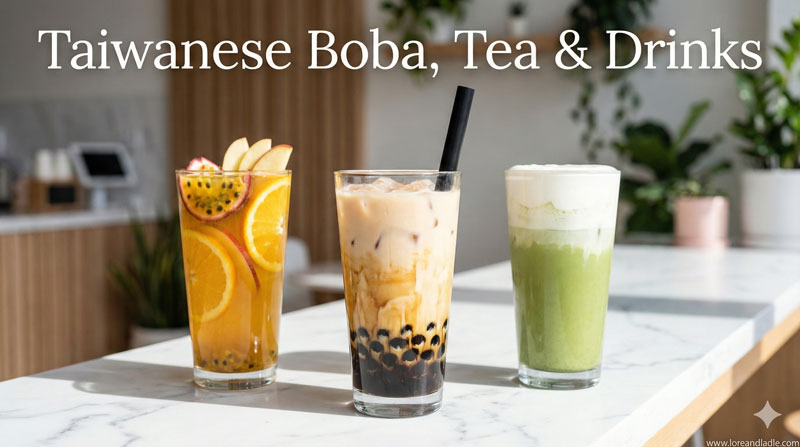
Best Taiwanese Boba And Tea Drinks Dishes That Bring Taiwan’s Flavors to Your Kitchen invites readers into a world where tea, texture, and balance meet playful creativity. Here, the focus is on cultural value and culinary significance. The scene is Taiwan’s tea culture—an everyday art that blends landscape, farming, and craft. Each cup or dish carries a story of careful selection, precise technique, and shared moments with friends and family. The result is a menu that feels both timeless and fresh, inviting you to taste Taiwan in your own kitchen.
The Cultural Value of Taiwanese Tea Traditions
Taiwan’s tea traditions center on harmony between leaf and water. High-mountain oolongs, jasmine greens, and toasty black teas form the backbone of many drinks. The culture prizes balance: a gentle sweetness that lets the tea’s aroma and character shine; pearls that add playful texture without overpowering the tea; and milk or a dairy-free alternative that rounds flavors. This balance mirrors Taiwan’s values of hospitality and craftsmanship. Tea is not rushed. It is enjoyed slowly, with conversation and attentiveness. By recreating these drinks at Home, you honor a long, shared ritual and keep a living link to Taiwan’s everyday culinary life. The dishes and drinks become more than sustenance—they are a doorway to regional ingredients, seasonal fruit, and the artistry of tea makers.
Core Components: Tea, Pearls, Milk, and Flavor
Two elements define the signature experience: the tea base and the chewy pearls. The tea base offers depth, whether it’s a fragrant jasmine green, a smooth Jin Xuan milk oolong, or a bold black tea. Pearls, made from tapioca, provide a pleasing chew that contrasts with the liquid. Milk or a dairy-free option softens the profile and helps unify the components. Flavoring relies on natural notes from caramelized brown sugar, fruit syrups, or fragrant extracts. When these parts align, the drink feels cohesive and satisfying. In cooking terms, this is a study in texture, temperature, and timing—how long the pearls soak, how hot the tea is, and when to add milk for the best balance. The result is a versatile platform for creativity, while staying rooted in a shared culinary language.
Signature Drinks and Dishes of Taiwan’s Boba Scene
-
Brown Sugar Pearl Milk Tea
A modern icon, this drink uses dark brown sugar to create a caramel aroma that travels through the tea. The pearls remain tender, while the tea holds your attention with a smooth finish. It is a showcase of balance and technique.
-
Jin Xuan Milk Tea (Milk Oolong)
This combination highlights the creamy notes of Jin Xuan tea with milk’s gentle richness. The result is silky and inviting, with a subtle floral edge that lingers.
-
Taro Milk Tea
Taro adds a gentle, nutty sweetness and a pale purple hue. It pairs well with a light milk base, offering a comforting, dessert-like drink that still feels refined.
-
Fresh Fruit Teas with Popping Pearls
Bright fruit flavors meet popping pearls for a playful contrast. These drinks celebrate Taiwan’s fruit diversity while keeping the tea at the center as a refreshing canvas.
-
Classic Milk Tea with Pearl Perfection
The timeless combination of bold tea, smooth milk, and chewy pearls remains a benchmark. It teaches balance and patience in preparation and consumption.
Techniques to Recreate Taiwan’s Flavors at Home
- Start with quality tea leaves. Choose high-mMountain oolongs or a green tea with a gentle aroma.
- Prepare the pearls properly. Boil until soft, then rinse and soak briefly to keep them springy.
- Sweeten with restraint. Brown sugar, honey, or a light syrup lets the tea’s natural notes breathe.
- Temperature matters. Serve the tea hot for a comforting effect, or cold for a refreshing finish.
- Layer flavors thoughtfully. Add milk or a non-dairy alternative last, so aroma and texture stay bright.
- Taste and adjust. Small changes in tea strength, pearl size, or sweetness can transform the drink.
Serving Traditions and Flavor Pairings
In Taiwan, boba drinks are often shared in casual settings, from cafés to street-side stalls. Pairing options include light fruit slices, a shortbread biscuit, or a small dessert that complements the drink’s sweetness. For home service, consider presenting the drink with a clear straw to showcase the pearls, and offer a glass with a generous rim for aroma to rise as you sip. Pairings like a citrusy fruit tea with a mild taro or jasmine tea can create a pleasant contrast that highlights each component’s character. When you serve, invite conversation about the flavors and textures, and enjoy the moment as a small, daily celebration of Taiwan’s culinary craft.
A Closing Note: Honoring Craft and Community
Bringing Taiwan’s flavors into your kitchen is an act of appreciation for craft, balance, and curiosity. The best Taiwanese boba and tea drinks celebrate tea’s terroir—the way local leaves, water, and warmth shape character. They honor the patience of pearl makers, the precision of brewers, and the generosity of sharing a cup. As you explore these drinks and dishes, you connect with a culture that values taste, texture, and togetherness. The result is a kitchen filled with aroma, color, and the quiet delight of discovering Taiwan’s culinary language in your own home.