
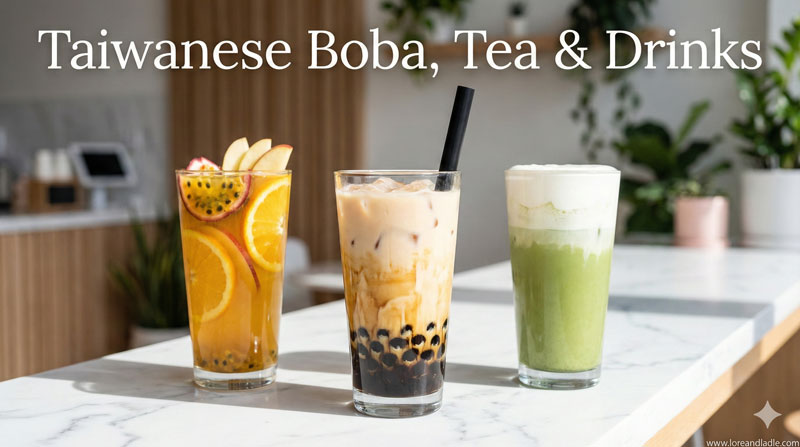
Top 15 Taiwanese Boba And Tea Drinks Recipes for New Home Cooks in the U.S. is more than a list. It is a doorway to a rich tea tradition, a study in texture, and a celebration of playful flavor. This post centers on the cultural value and culinary significance of these drinks. It invites new home cooks to explore, savor, and share.
Recipe 1: Classic Milk Tea with Pearls
Classic milk tea anchors Taiwanese tea culture with a simple yet powerful harmony of black tea, milk, and chewy pearls. It teaches balance: strong tea notes meet creamy sweetness and a satisfying bite. In a U.S. kitchen, it becomes a welcoming starting point for experimentation and personal flair.
Recipe 2: Brown Sugar Pearl Milk Tea
Brown sugar pearls add a caramel aroma and a glossy swirl. This variant highlights patience and technique in pearl cooking, as the pearls gain depth from the sugar bath. It is a favorite for gatherings, inviting friends to discover a beloved depth of flavor.
Recipe 3: Taro Milk Tea
Taro brings a creamy, nutty sweetness and a soft lavender hue. It embodies the comforting, dessert-like side of boba drinks. Home cooks can appreciate how taro transforms tea into a soothing, celebratory beverage.
Recipe 4: Matcha Milk Tea
Matcha adds a vibrant green note and a smooth, grassy finish. It connects Taiwan’s tea craft with broader green tea traditions. For new cooks, it demonstrates how a single leaf can shape aroma, color, and mouthfeel.
Recipe 5: Wintermelon Tea
Wintermelon tea offers a crisp, mellow sweetness and a refreshing finish. It showcases Taiwan’s Love for fruity, refreshing blends that pair well with pearls. In the home kitchen, it invites a lighter, palate-cleanser style of tea.
Recipe 6: Oolong Milk Tea
Oolong embodies a bridge between green and black tea, with toasty, nuanced flavors. This drink honors slow infusion and careful timing. Home cooks learn to let the tea’s character unfold, creating depth without heaviness.
Recipe 7: Jasmine Green Milk Tea
Jasmine adds floral brightness and a fragrant aroma. The combination with milk and pearls highlights how floral notes can dance with dairy. It reveals tea’s delicate side and how scent shapes tasting memory.
Recipe 8: Honeydew Milk Tea
Honeydew brings ripe sweetness and a pale green glow. This flavor shows how fruit can brighten the tea base while maintaining comfort. It encourages experimentation with color, scent, and a gentle sweetness level.
Recipe 9: Mango Green Tea with Pearls
Mango’s tropical sweetness lifts green tea with a sunny vibe. The pearls carry the drink’s texture from first sip to last. It demonstrates how fruit tea can feel festive and bright, perfect for celebrations at Home.
Recipe 10: Strawberry Milk Tea
Strawberry adds a fresh, fruity note that complements the creaminess of milk. This option celebrates everyday fruit in a tea setting. Home cooks can adjust sweetness to suit any season or mood.
Recipe 11: Lychee Black Tea
Lychee delivers a delicate, perfumed sweetness that brightens darker tea. It showcases how perfumed fruits can marry with traditional tea flavors. At home, it offers a fragrant, inviting twist for guests.
Recipe 12: Pistachio Milk Tea
Pistachio brings a subtle nuttiness and a creamy mouthfeel. This drink highlights how nuts can enrich tea without overpowering it. It invites thoughtful pairings and a refined, comforting finish.
Recipe 13: Almond Milk Tea
Almond notes offer a smooth, nutty backbone that complements dairy or plant milks. This drink shows versatility in choosing milk bases while preserving classic flavor. It’s a friendly option for those seeking gentle, everyday luxury.
Recipe 14: Coconut Milk Tea
Coconut adds a tropical creaminess and a hint of warmth. It speaks to the adaptability of boba drinks across cultures. Home cooks can enjoy a richer texture and a sunny aroma.
Recipe 15: Purple Sweet Potato Milk Tea
Purple sweet potato provides a creamy pulse of sweetness and a striking color. It highlights Taiwan’s love of vibrant, comforting desserts turned into a drink. It’s a memorable centerpiece for cozy gatherings and cheerful menus.
In each variation, you witness how Taiwanese boba drinks blend craft, memory, and social joy. The pearls provide texture; the tea provides character; the milk or dairy alternative provides harmony. For new home cooks in the U.S., these drinks offer approachable gateways to a beloved culinary practice. They celebrate balance, seasonality, and the art of customization. They invite you to share, learn, and savor a piece of Taiwanese tea culture in your own kitchen.