
Introduction
This post introduces a concept tucked into a dish called “Best Taiwanese Restaurant Favorites Ideas for Your Next At-Home Feast.” It gathers beloved flavors from Taiwan’s restaurant scene and invites you to recreate them with care at Home. The aim is to celebrate culture through cooking, not to rush or complicate. You will find a warm respect for skilled hands, fresh ingredients, and the small rituals that make meals memorable. The result is an at-home feast that feels both familiar and bright with new textures and aromas.
Why This Dish Captures Taiwanese Culinary Spirit
Taiwanese food shines in balance. It blends bold, savory notes with delicate sweetness and a light touch of acidity. The dish highlights this harmony by pairing hearty, comforting items with crisp, refreshing bites. Its heart lies in craftsmanship: careful braises, precise stir-fries, and careful assembly of tiny, tasty components. Each element mirrors the everyday joy of sharing food around a table. The approach is practical, too—use what’s fresh, cook with intention, and present with care. In short, the dish honors a long tradition of thoughtful, generous cooking.
Signature Dishes and Core Techniques Included
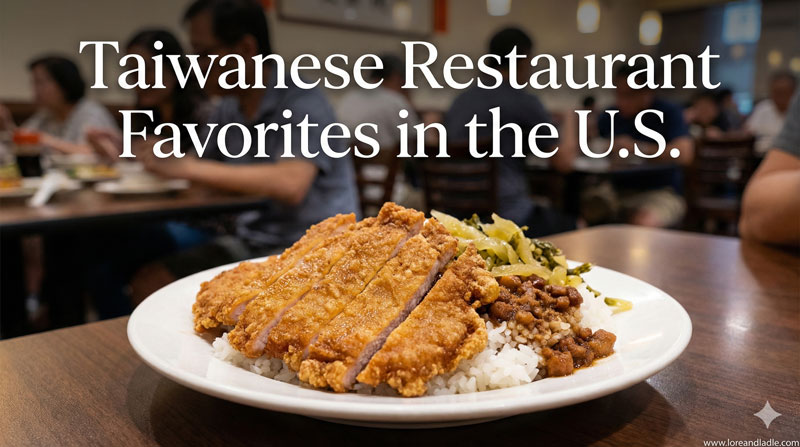
This concept brings together several icons from Taiwan’s kitchen. Beef noodle soup offers rich broth, tender meat, and chewy noodles. Lu rou fan delivers a fragrant braise that coats steamed rice in a glossy glaze. Gua bao gives soft buns, crunchy pickles, and a melty filling. Oyster omelette adds a bright, starchy counterpoint with a crisp edge. Three-cup chicken showcases a caramelized glaze made with sesame oil, soy, and rice wine. Each dish teaches a technique: slow braising, precise wok heat, careful steaming, and balanced saucing. You’ll notice how simple steps, done well, create memorable flavors. The collection also invites playful adjustments—swap proteins, adjust sweetness, or tweak spice to suit your table.
Ingredient Spotlight: Fresh, Local, Flavorful
The heart of these dishes is fresh ingredients. Tender cuts of meat, plump oysters, and bright greens make the plate sing. Soy sauce, rice wine, garlic, ginger, and scallions provide the backbone for most braises and stir-fries. Sesame oil adds warmth and aroma in small doses. For texture, look to crisp-tender vegetables, springy noodles, and fluffy buns. These choices celebrate seasonality and regional availability. With thoughtful seasoning, simple ingredients become expressive and comforting.
The Craft of At-Home Feasts: Presentation and Sharing
At-home feasts thrive on shared plates and inviting layouts. Start with a few core bowls and a tray of warm buns or steamed dumplings. Place heavier dishes within easy reach and keep fresh herbs handy for last-minute brightness. Small bowls of pickles or tangy sauces elevate each bite. Tea or a light beer complements the flavors without overwhelming them. The ritual of passing plates, offering seconds, and praising a well-seared edge strengthens the sense of gathering. In this way, cooking becomes a bridge between restaurant craft and family warmth.
Texture, Balance, and Aromas: Sensory Details
Texture drives happiness at the table. You will hear the satisfying bite of braised meat, the chewy resilience of noodles, and the soft fluff of steamed buns. Crunch from fresh vegetables or pickles contrasts with tender sauces. Aromas rise from sesame oil, garlic, and ginger, guiding you toward the plate. Sweet undertones from braises meet savory depth from soy and broth. A final touch of citrus or pickled greens can brighten a dish just before serving. The result is a sensory journey that feels both familiar and exciting.
Crafting Your Menu: A Step-by-Step Plan for Your Feast
1) Choose three to four core dishes that represent the repertoire: a braised dish, a noodle or rice-based dish, a buns or pastry item, and a crisp or fresh component. 2) Gather ingredients a day in advance, with pantry staples on hand. 3) Prepare braises and fillings ahead of time, then reheat gently to keep textures. 4) Assemble buns and omelettes last so their edges stay crisp. 5) Plate with a mix of bowls, shared platters, and small accompaniments. 6) Offer tea selections that pair with the flavors. 7) Enjoy the feast with mindful conversation and appreciation for the craft behind each bite. This plan keeps the cooking joyful and the table inviting.
Cultural Value and Culinary Significance in Everyday Life
Taiwanese restaurant favorites reflect daily life and seasonal celebrations. They show how a kitchen can blend technique with warmth, turning ordinary meals into small, meaningful rituals. The dishes teach patience, balance, and generosity. They encourage cooks to honor ingredients, to respect time-honored methods, and to welcome friends to the table. The beauty lies in transforming simple components into a mosaic of flavors that speaks to family, community, and shared memory. By recreating these favorites at home, you participate in a living culinary tradition that values craft, clarity, and care.
Final Thoughts: A Friendly Invitation to Explore
If you are curious about Taiwanese flavors, this at-home feast offers a gentle, respectful doorway. The goal is clear: celebrate culture through delicious cooking, not complexity for its own sake. Start with one or two signature dishes, then gradually add more as you gain confidence. With each dish, you honor cooks, farmers, and hosts who have shaped these flavors over time. Most of all, savor the moment of gathering, tasting, and learning together. This is how cuisine becomes culture—one shared plate at a time.