
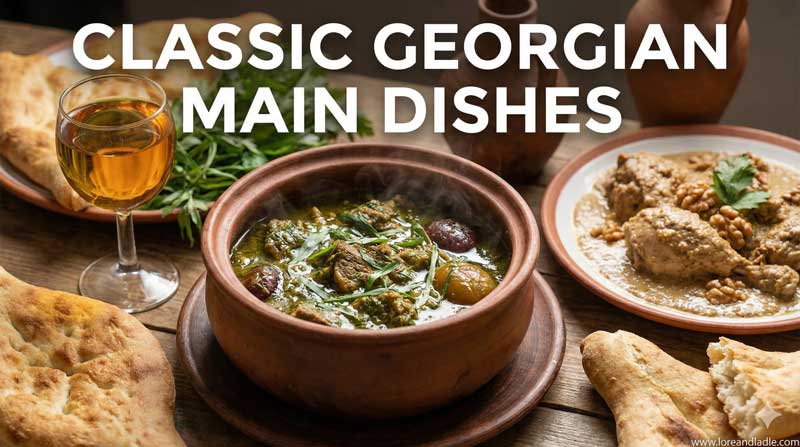
slow-cooked chakapuli lamb stew Dishes That Are Perfect for Sharing with Friends
Georgian cuisine carries a warm invitation to the table. The slow-cooked chakapuli lamb stew is a vivid example. It blends bright herbs, tender meat, and a confident simmer that invites everyone to gather. This dish is more than a recipe; it is a celebration of hospitality and a celebration of shared meals. In this post, we explore its cultural value and culinary significance with care and clarity.
The heart of the dish: what makes chakapuli special
Chakapuli is a herb-forward stew built around lamb and a chorus of fresh greens. The lamb meets a quiet heat and bathes in a wine-infused broth. Then herbs are folded in, at just the right moment, to keep their bright aroma intact. The result is a dish that feels light on the palate but full of character. The herb mix—dill, cilantro, parsley, and tarragon—creates a vivid aroma that rises from the pot and guides the first bite. The acidity from wine or mild vinegar balances the richness of the meat, giving the sauce a refreshing lift. This balance remains a signature of chakapuli, highlighting the Georgian Love for herbal brightness and savory depth in equal measure.
Culinary technique matters here. Slow cooking allows the lamb to tenderize gently, releasing its natural sweetness. The braise is steady and patient, with the pot kept at a level that preserves the clarity of flavors. This approach showcases a philosophy common in many cherished cuisines: flavor grows with time, but the finish should feel clean and alive. When served, the dish invites dipping and sopping with bread, extending the experience beyond a single plate to a shared moment around the table.
Cultural value: hospitality, rhythm, and shared meals
In Georgia, meals are a social rite. Food becomes a language for welcoming guests, telling stories, and marking togetherness. Chakapuli, with its generous portions and sauce that invites communal tasting, fits perfectly into this rhythm. It is a dish designed to be shared among friends and family. The pot becomes a center of conversation, and the act of passing bowls and bread becomes a simple, joyful routine. The herbs’ bright aroma is a cue that the meal is about freshness and presence, not haste.
The dish also reflects a thoughtful respect for ingredients. Lamb from a local, well-raised source pairs with herbs picked just as they reach peak fragrance. The result is a dish that feels grounded in seasonality and place. Sharing chakapuli reinforces a sense of care: care for people around the table, care for the ingredients, and care for the flavors that emerge when ingredients meet a slow, attentive cook. In this way, chakapuli becomes more than nourishment; it becomes an expression of generosity and culinary storytelling.
The technique and flavor profile: how the dish sings
The flavor profile blends meat richness with herbal brightness and a subtle tartness. The method emphasizes layering. First, the lamb is seared to develop a fond that adds depth. Then the liquid—often a light wine along with a touch of acidity—pulls the flavors from the pan and helps loosen the browned bits. Next, the greens join in, releasing their oils and perfumes as they wilt. Finally, the dish rests as the herbs glow with their freshest aroma, ready to greet the senses with a clean, uplifting finish.
This sequence matters. It preserves the integrity of each herb, so dill’s citrusy notes, tarragon’s anise hints, and cilantro’s fresh bite remain distinct. The balance is delicate: too much heat or overcooking can dull the bright finish; a careful simmer keeps the meat juicy and the greens vibrant. The result is a dish that feels both comforting and refined—perfect for guests who appreciate complexity without heaviness.
Pairings, serving, and the joy of sharing
Chakapuli shines when served with generous bread to catch the sauce and with accompaniments that complement its brightness. A simple yogurt or a mild cheese can provide a cooling contrast to the warmth of the stew. Fresh herbs sprinkled on top add a final note of fragrance at the table. When you gather friends, present chakapuli in a large pot or shallow dish where everyone can easily serve themselves. The act of sharing, passing bowls, and offering a second helping becomes part of the experience.
For beverages, a light white wine often works well, echoing the dish’s herbaceous lift. The goal is to support the herbs’ brightness without overpowering the lamb’s savory depth. With good bread and a relaxed, unhurried tempo, the meal becomes a ritual of connection—an occasion for conversation, laughter, and quiet appreciation of each bite.
Seasonal and regional nuances: celebrating place
Chakapuli is most vividly tied to fresh greens and herbs, so it thrives in seasons when dill, cilantro, parsley, and tarragon are at their best. The dish adapts to regional availability, which makes it a flexible favorite across kitchens. This adaptability shows how Georgian cooking respects place and season while offering a universal message: food that honors ingredients invites people to pause, savor, and share. Such regional nuances enrich the dish without complicating its essence: lamb, herbs, wine, and a gentle simmer that binds them together.
A gentle invitation to cook at home
For home cooks, chakapuli offers a rewarding project with immediate social payoff. Start with good lamb cuts, sear them well, and then let the pot talk with wine and a measured amount of acidity. Fold in greens toward the end, keeping their aroma bright. Serve promptly with crusty bread and a simple accompaniment of yogurt or fresh cheese. The goal is to preserve the dish’s clean, herb-forward character while letting the shared moment take center stage.
The beauty of sharing: why this dish endures
Ultimately, slow-cooked chakapuli lamb stew is timeless because it embodies hospitality in its most generous form. It invites friends to gather, to participate in the cooking, and to share in the pleasure of a well-made, herb-laced sauce. Its culinary significance lies in its balance: depth from the lamb, brightness from the herbs, and harmony from the gentle acidity. The dish teaches a soft lesson about food: that care and patience in the kitchen can nourish more than the body; they nourish connection.
In short, slow-cooked chakapuli lamb stew Dishes That Are Perfect for Sharing with Friends invites us to slow down, savor the ingredients, and celebrate the simple joy of meals shared with good company. It stands as a beloved expression of its culture, a testament to thoughtful technique, and a timeless reason to gather around the table.