
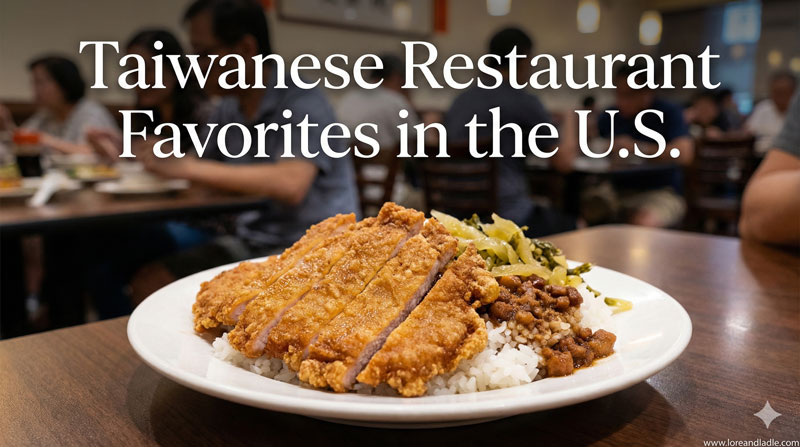
Introduction
Taiwanese cuisine shines in its daily joy and precise technique. The dish “Top 20 Taiwanese Restaurant Favorites Recipes That Are Trending Right Now” invites readers to explore a curated snapshot of what people love in Taiwanese restaurants today. This collection highlights how flavor, texture, and aroma tell a story about place, family, and shared meals. It centers on cultural value and culinary significance, not on history or politics. The result is a welcoming guide to meals that feel like conversation at the table—warm, comforting, and endlessly inventive.
The dish at a glance
This dish is a living menu. It brings together twenty restaurant favorites that are currently trending across Taiwan’s food scenes. You’ll find classics that illuminate everyday life, from hearty noodle bowls to crisp snack plates and artisan drinks. The compilation celebrates balance: the way salty, sweet, sour, and savory notes meet in harmony; how tender cuts meet crisp edges; how steam and wok hei lift flavors. Each recipe serves as a doorway into regional flavors, seasonal ingredients, and the craft of the kitchen. The goal is to offer a sensory tour that readers can explore, adapt, and savor.
Cultural value: flavor as memory
Flavor acts as memory in Taiwanese dining. A bowl of beef noodle soup recalls family kitchens, winter days, and shared victories over a simmering pot. Scallion pancakes echo weekend markets and late-night chats with friends. The collection honors these ties by presenting dishes that work at the table and in the heart. It also highlights how ingredients travel through markets, farms, and coastal waters to become familiar comforts. This is cuisine that invites people to gather, to notice the season in produce, and to appreciate how small details—like a citrus zest or a splash of sesame oil—carry meaning across generations.
Culinary significance: technique and balance
The recipes in this set are anchored in technique and balance. Wok heat, careful braising, and precise seasoning create depth without heaviness. The collection spotlights the art of layering: a soy glaze that builds umami, a touch of rice wine for brightness, a crisp exterior that reveals a tender interior. It celebrates textures—from chewy noodles to silky broths and flaky pastries. The dishes also demonstrate regional nuance, such as spice accents, herb notes, and the way different cooks interpret the same foundational flavors. In short, these are not merely meals; they are demonstrations of culinary craft.
The dining culture experience: sharing and atmosphere
Taiwanese dining thrives on shared plates, lively conversation, and the aroma of sautéing garlic and aromatics filling the air. Night markets, street-front stalls, and family kitchens all contribute to a sense of place. The twenty recipes reflect this culture by offering options that work for small gatherings and larger meals alike. The experience is tactile and social: steam rising from a bowl, chopsticks tapping in rhythm, and plates circling the table as stories flow with each bite. This collection reminds readers that great food is a social act as much as a personal pleasure.
Practical guide to exploring the collection
If you approach the set with curiosity, you’ll discover patterns that help cooking at Home feel approachable. Start with a few comfort dishes you know well, then branch into bolder flavors. Look for dishes that use familiar pantry staples: soy sauce, garlic, green onions, and ginger. Observe how cooks balance saltiness, sweetness, and acidity to achieve harmony. Use the twenty recipes as prompts for experimentation—adjust textures, swap proteins, or tailor heat to your preference. Read each recipe as a story of technique and cultural rhythm, then bring that rhythm to your own kitchen.
Conclusion
The dish “Top 20 Taiwanese Restaurant Favorites Recipes That Are Trending Right Now” offers more than a list of meals. It presents a living portrait of Taiwanese food culture—its warmth, its craft, and its enduring appeal. By focusing on cultural value and culinary significance, the collection invites readers to savor not only the flavors but the shared moments that make these dishes beloved. This is an invitation to explore, cook, and celebrate the joyful artistry found at Taiwan’s tables.