
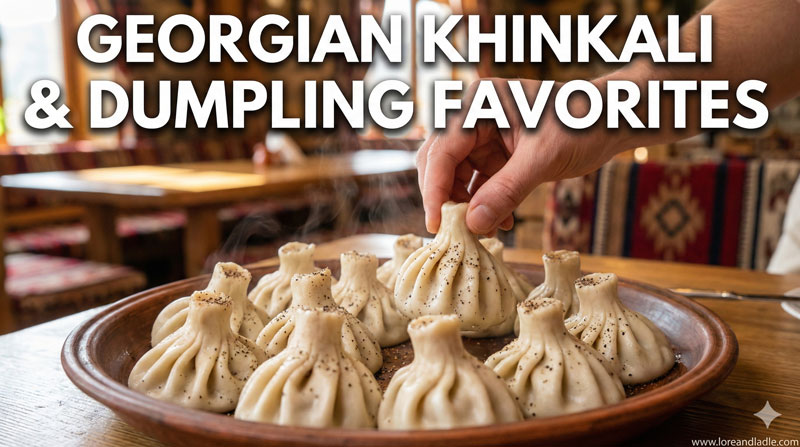
Easy juicy khinkali with herbs for Busy Weeknights: A welcoming introduction
This dish wears many hats at once. It is comforting, practical, and deeply rooted in a rich food culture. Easy juicy khinkali with herbs for Busy Weeknights showcases how a traditional dumpling can blend timing, technique, and bright herbs into a meal that nourishes both body and spirit. The name carries clear promise: a simple method, juicy fillings, fresh greens, and a finish that feels like a warm hello after a long day.
The cultural heartbeat of khinkali
Khinkali is more than a dumpling. It is a symbol of togetherness and shared meals that light up tables across Georgia and neighboring regions. The dish invites conversation as much as it invites taste. A plate of khinkali signals hospitality, care, and the joy of gathering. For busy weeknights, this cultural rhythm becomes a practical rhythm too: a signal that dinner can be both quick and meaningful. The herb-forward version emphasizes freshness, seasonality, and balance, reflecting a culture that treasures simple ingredients elevated through technique and timing.
The craft: dough, filling, and the signature herb lift
The dough is straightforward: flour, water, a pinch of salt, and a moment of patience. It should be soft and pliable, easy to roll into rounds that cradle a juicy inside. The filling blends meat with aromatics and herbs, but what makes it sing are the greens. Fresh parsley, dill, and a touch of cilantro bring brightness, while green onions add a gentle bite. The goal is to create a harmony where the meat’s savor meets the herbaceous lift. The result is a dumpling with a resilient skin and a moist heart ready to release its aroma with the first bite.
The herb orchestra: parsley, dill, and bright greens
Herbs are not garnish here; they are essential flavor. Parsley provides clean, green notes that cut through richness. Dill lends a sunny, almost tangy edge that refreshes the palate. Cilantro (where used) contributes a citrusy contrast that rounds out the mix. Green onions add sweetness and a light bite. Taken together, the herbs refine the dumpling’s aroma and help the meat retain its juiciness. This herb blend makes the dish feel both rustic and refined, a nod to everyday cooking and to careful attention to balance.
The technique that locks in juiciness
Juiciness comes from a well-sealed pocket inside the wrapper. The meat mixture should be seasoned with a light hand, so the herbs do the talking without overpowering the filling. When shaping, aim for uniform dumplings so they cook evenly. A rolling boil or simmer in well-salted water is ideal, allowing the wrappers to become tender while the filling stays moist. The steam releases the flavors and makes the broth inside each khinkali inviting. The final bite should bring a warm burst of broth along with the meat and herbs.
A dish for the table: serving, texture, and balance
Serve Easy juicy khinkali with herbs alongside a simple starter or a crisp salad, especially on busy evenings when time matters. The dumplings taste best fresh, but they can also be prepared a little ahead and refreshed with a quick rewarm. The texture is a satisfying contrast: the outer wrapper is gently chewy, the middle is juicy, and the herbs add a bright lift that lingers on the palate. A dollop of yogurt, a splash of pepper, or a light vinegar-based sauce can highlight the herbal freshness without masking it. This approach keeps the dish approachable for weeknights while preserving its depth.
From kitchen to table: cultural significance in modern life
In households and communities, khinkali often accompanies gatherings that celebrate everyday life. For Busy Weeknights, the dish serves as evidence that tradition can adapt to modern rhythms. The method rewards organization: you can prepare the filling and the dough in advance, shape dumplings, and then cook as the evening unfolds. This flexibility mirrors a culture that values both steady, mindful cooking and joyful spontaneity. By embracing herbs and a straightforward technique, the dish remains rooted in its origin while welcoming contemporary routines.
Practical tips for busy cooks
- Plan ahead: mix the filling and let it rest briefly to meld flavors.
- Shape efficiently: keep a calm, steady pace to form evenly sized dumplings.
- Freeze smartly: freeze shaped but uncooked dumplings on a tray, then transfer to a bag for quick weeknight boiling.
- Keep herbs bright: chop herbs just before use to maximize aroma.
- Pair thoughtfully: a light yogurt sauce or a simple pepper mix complements the herb-forward filling without overpowering it.
A concluding note on culture and cuisine
Easy juicy khinkali with herbs for Busy Weeknights celebrates how a traditional Georgian dumpling can fit into modern life. It honors the care found in everyday cooking and the joy of sharing a plate with others. The herbs, the technique, and the comforting juiciness come together to tell a story of flavor, balance, and community. In this dish, every bite is a reminder: great meals can be both efficient and deeply meaningful, connecting today’s dinner table to a living culinary heritage.