
Introduction
One-Pan khinkali with chicken and dill: Recipes for Easy Cleanup invites you to explore a dish that bridges tradition and practicality. This approach honors the beauty of khinkali while simplifying the kitchen workflow. The result is a comforting, fragrant meal that feels both timeless and modern.
The Cultural Value of Khinkali
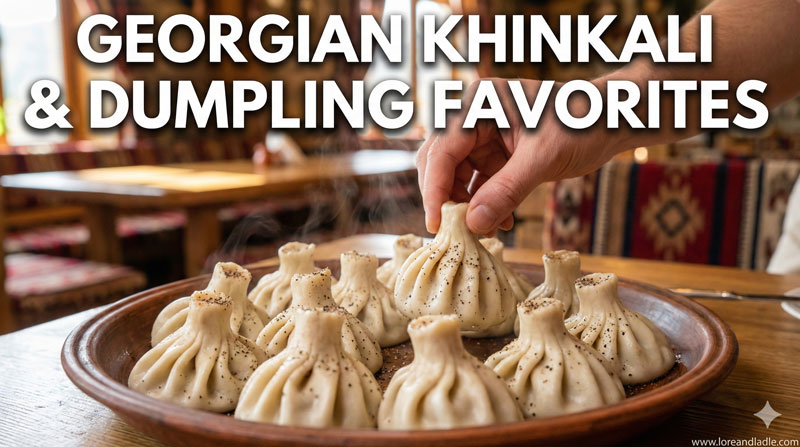
Khinkali holds a cherished place in Georgian cuisine and hospitality. These dumplings speak to shared meals, family gatherings, and friendly conversations around a warm stove. Each pocket of dough locks in broth, herbs, and respect for the cook’s craft. The act of pinching the edges to seal in savory juices mirrors a culture that values balance, generosity, and careful technique. In this one-pan version, the dish travels from specialized kitchens to everyday homes, keeping that spirit alive with accessible steps and bright, fresh dill.
The Culinary Significance of One-Pan Design
The one-pan approach honors a practical, social way to cook. By consolidating steps in a single vessel, cooks preserve aroma and moisture that could escape in multi-pot methods. The pan becomes a stage for layering flavor—meaty stock, gentle simmering, and the release of dill’s bright notes. This method keeps the kitchen calm and focused, letting the dumplings steam and absorb a chorus of flavors without fuss. In essence, the design celebrates efficiency without sacrificing depth of taste.
Chicken and Dill: A Fresh Flavor Pairing
Chicken provides a lighter, approachable filling that still carries richness. Dill adds a distinctive, verdant aroma that brightens the dish and echoes many Georgian herb profiles. The pairing feels vibrant and balanced: the meat’s savoriness meets dill’s crisp finish. This combination illustrates how simple ingredients can form a dish with cultural resonance and notable culinary signature.
Easy Cleanup, Traditional Comfort
Easy cleanup does not mean ease of flavor is compromised. On the contrary, the one-pan method concentrates the dish’s essence. The result is comforting, familiar, and practical for busy evenings. Cleanup becomes a natural afterthought, allowing more time to savor the meal and the conversations that accompany it. This harmony of convenience and comfort reinforces the dish’s place in everyday food culture.
Cooking Technique: A Gentle, Accessible Flow
Start by warming the pan and lightly browning chicken pieces to unlock their depth. Next, lay in the khinkali and pour in just enough stock or water to create a shallow simmer. Cover the pan to trap steam, letting the dumplings cook through while the flavors mingle. Finally, finish with a generous scatter of fresh dill and a pinch of salt to brighten the dish. The technique is approachable, yet it preserves the dish’s essential charm: aromatic steam, tender dumplings, and a lively herb note.
Serving Traditions and Pairings
Serve hot, directly from the pan, inviting guests to dip and savor. A simple yogurt or sour cream spoon can add a cool counterpoint to the dumplings’ warmth. Fresh dill sprigs and a squeeze of lemon can heighten brightness. Pair with light salads, rustic bread, or a clear broth soup to echo the meal’s hospitality. These serving choices honor the dish’s cultural roots while offering modern simplicity.
Final Thoughts
One-Pan khinkali with chicken and dill embodies culinary significance through its respectful nod to tradition and its clever, modern approach. It celebrates Georgian flavors, shows how a single pan can carry depth, and invites everyone to share in a meal that feels both ceremonial and everyday. This dish stands as a warm reminder that food, prepared with care and served with company, enriches the kitchen with culture, aroma, and joy.