
Introduction
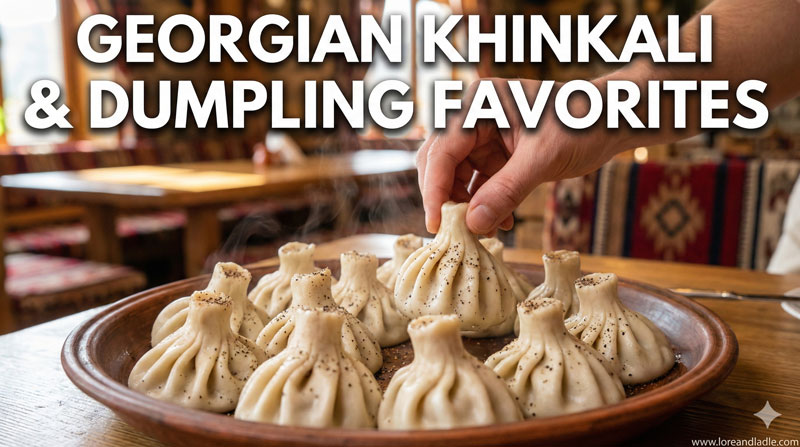
This dish, oven-baked khinkali casserole Meal Prep Ideas for the Week, invites you to taste a tradition with a modern rhythm. Khinkali are beloved dumplings in Georgia, celebrated for their delicate pleats and juicy fillings. Turning them into a casserole makes a familiar comfort dish easier to share over days. The result is a warm, inviting aroma that signals hospitality and care. This piece explores the cultural value and culinary significance behind that transformation, honoring the art of handcrafting dough and layering flavors. In every bite, you feel a connection to the neighborhood kitchens where food becomes a common language.
The cultural heartbeat of khinkali
Khinkali are more than food; they are a reflection of everyday Georgian hospitality. The dumplings tell a story of family, gathering, and the joy of sharing a meal. The pleats, folded with patience, symbolize attention to detail and respect for craft. Fresh herbs, onions, and well-seasoned meat celebrate local ingredients and seasonal abundance. When you prepare khinkali, you participate in a traditional practice that brings people together around a table. Baking them into a casserole extends that spirit, making a communal dish out of individual dumplings while preserving the sense of care that defines Georgian cooking.
The culinary significance of the bake
Bakeable versions of khinkali bring a new texture and experience to a classic flavor profile. The oven gently melds flavors, creating a soft crust and a savory sauce that braises the dumplings from above. This method bridges two cooking worlds: the familiar dumpling technique and the comforting ease of a casserole. The result is a dish that tastes both rooted in tradition and ready for convenience. Using gentle roasting helps the meat’s juices stay moist while the vegetables release sweetness into the dish. The bake elevates aroma and depth, inviting you to savor the way herbs and spices interact over time.
Inside the kitchen: ingredients and technique
Key elements include a dough made from flour, water, salt, and a touch of oil, paired with a filling of well-seasoned ground meat, onion, garlic, and fresh greens. You can add coriander, dill, or parsley to brighten the aroma. For the casserole, a simple tomato or broth-based sauce provides a flavorful base while keeping the dumplings moist. Layer the dumplings in a baking dish, pouring a light sauce around them. Bake until the edges turn slightly golden and the aroma fills the room. Finish with a drizzle of yogurt or a sprinkle of fresh herbs for a fresh contrast. This approach keeps the dish accessible while preserving its hands-on charm.
Meal prep for the week
Meal prep makes this dish a reliable weeknight ally. Assemble the casserole in advance, then refrigerate or freeze portions for later. When ready to eat, reheat gently in the oven to maintain moisture and tenderness. Store leftovers in airtight containers, labeling the date for freshness. The casserole scales well, so you can adjust fillings or add vegetables to suit the week. By planning ahead, you keep the spirit of sharing intact, even on busy days. The result is a dependable, comforting option that aligns with a balanced cooking routine.
Serving, pairing, and presentation
Serve this dish in warm bowls to highlight its cozy nature. A dollop of yogurt or a squeeze of lemon can brighten the richness. Fresh herbs on top add color and aroma, inviting a second helping. Pair it with a light salad, a crusty bread, or a side of pickled vegetables for contrast. The meal feels complete: protein, vegetables, and comfort all at once. Sharing this casserole with friends or family reinforces the social joy found in Georgian cooking and the universal pleasure of a well-made, thoughtfully prepared dish.
Final thoughts
Oven-baked khinkali casserole reframes a cherished dumpling for daily life without losing its cultural soul. It honors the skill of kneading dough, shaping dumplings, and layering flavors with gentle care. The dish stands as a testament to hospitality, technique, and the beauty of meal planning. With its inviting aroma, satisfying texture, and practical appeal, it becomes more than a recipe—it becomes a celebration of culinary heritage and everyday generosity.